

Beer lovers obsess over hops, malt bills, and fermentation schedules, yet many pour those carefully chosen brews into whatever cup is closest. That shortcut leaves flavor on the table. The shape of your glass changes aroma, foam, temperature, and how each sip feels, which means the right beer glass can quietly upgrade every drink without touching the recipe.
Introduction to Beer Glassware
Beer glassware isn't just about looking classy at dinner parties or showing off shelves behind a home bar. Design details like rim width, bowl depth, and wall thickness all influence how a beer behaves once it leaves the bottle or tap.
The right vessel lifts aroma toward your nose, protects carbonation, supports the beer’s head, and frames how color and clarity appear. It can soften alcohol heat in strong styles, keep crisp lagers refreshing longer, and help delicate beers show their subtle character.
This guide walks through popular beer glass shapes, what they are best used for, and common mistakes drinkers make with each. You will also see science-backed explanations, expert insight, and real-world scenarios so you can choose confidently whether to host friends, stock a bar cart, or search for a great gift.
Why Beer Glass Shape Matters (Science Explained)
Glass shape controls how carbonation rises, how foam forms, and how aromas reach your nose. A proper beer glass head helps carry aroma, which changes what you taste, so head retention is doing real work, not just looking pretty. In fact, the beer glass structure “directly influences how volatile aroma compounds reach your nose, which changes how beer tastes.” — Cicerone
Rim diameter determines how tightly aromas concentrate. Bowl size lets beers warm and release flavor or stay crisp and restrained. Etched nucleation points on the bottom of some glasses help maintain a steady stream of bubbles.
Key design impacts include:
- Aroma delivery
- Head retention
- Temperature control
- Visual appeal
When those elements work together, the beer simply tastes better.
Types of Beer Glasses (With Pictures & Use Cases)
Beer glasses are shaped with a purpose. Some funnel aroma, others stretch carbonation into tall ribbons, and a few exist mostly to spark laughs at parties. Below are nine of the most common styles you will encounter, how they work, and when each one makes the biggest difference in your pour.
American Pint Glass (Shaker Pint)

The American pint glass is the familiar workhorse found in countless bars and home cabinets. It's a straight-sided glass that holds sixteen ounces and is slightly wider at the rim than at the base, making it easy to stack and quick to rinse between pours. Because of that simple shape, it gets used for everything from pale ales to amber lagers. The tradeoff is that it doesn't focus aroma particularly well, so delicate beers or hop-heavy styles can lose some of their punch. Drinkers also tend to overfill it, wiping out the beer’s head before it has a chance to release scent. It remains a practical choice for variety nights or casual gatherings when flexibility matters more than fine-tuning flavor.
Tulip Glass

Tulip glasses are built to make aromatic beers shine. Their rounded bowl allows beer to open up as it warms slightly, while the flared lip pulls scent toward your nose with every sip. This design works beautifully for Belgian ales, double IPAs, and other bold styles where aroma is part of the experience. The curved body also helps sustain foam, keeping that protective layer intact longer than in straight-sided glasses. Many people make the mistake of filling tulips to the rim, which removes the space needed for aroma to collect. Leaving room in the bowl keeps flavors lively and lets the glass do the work it was designed to do.
Snifter

Snifters look more like something you would use for serving brandy or fine wine, and that is exactly why brewers love them for strong beers. The wide bowl gives high-alcohol styles room to breathe, while the narrow mouth traps concentrated aromas so each sip feels rich and layered. Barleywines, imperial stouts, and barrel-aged releases feel right at home here. Snifters encourage slower drinking, which suits beers meant for savoring rather than gulping. A common mistake is pouring highly carbonated styles into one, which can cause foam to build too aggressively in the bowl and overwhelm the rim.
Czech Pilsners

Czech pilsner glasses are tall and elegant, often slightly curved with a wide opening that shows off sparkling clarity. They were designed to make pale golden beers visually stunning, with bubbles racing upward in steady lines that never seem to end. This shape suits light lagers and crisp beers that rely on refreshment rather than heavy aroma. Because the glass is narrow and vertical, carbonation stays lively for longer, which keeps the texture bright on the tongue. Drinkers sometimes let pilsners warm too much in thin glass, dulling that snap. Keeping pours fresh and cold preserves the style’s signature bite.
Weizen Glass

Few beer glasses are as dramatic as the wizen, the German word for wheat. Tall, sweeping, and narrow at the base, this wheat beer glass is built to hold the full bottle of a wheat beer while supporting towering foam at the top. That shape keeps yeast in suspension and shows off the beer’s color beautifully, while the wide upper bowl releases banana and clove aromas that define the style. Pouring into a weizen glass feels theatrical, especially when the fluffy head swells above the rim. The most common misstep is rushing the pour and collapsing the foam too early. Slow tilting followed by a straight finish lets the glass perform as intended.
Goblet or Chalice

Goblets and chalices feel ceremonial the moment you pick them up. Thick glass walls, stemmed bases, and sometimes etched interiors give these vessels a presence that suits monastery beers and bold Belgian styles. The heavy structure helps preserve carbonation, while the broad bowl invites deeper exploration of layered flavors. They encourage smaller sips even though they look imposing, which is ideal for strong beers meant to be enjoyed slowly. Some drinkers reach for goblets with lighter styles, but those beers can feel lost in such a substantial vessel. Reserve this shape for brews that deserve the spotlight.
IPA Glass for Craft Beer

Modern IPA glasses were engineered specifically for hop-driven beers. Many include ridges or angular bases that gently agitate liquid as it flows upward, releasing aromatic oils into the air before the beer even reaches your lips. The upper bowl narrows slightly, guiding those scents straight to your nose. This design heightens tropical fruit notes, piney edges, and citrus bursts that fans crave from hoppy beers. Poor rinsing can ruin the effect, though. Soap residue kills foam quickly, which robs these glasses of their biggest advantage and leaves hops muted.
Stainless Steel Beer Tumbler

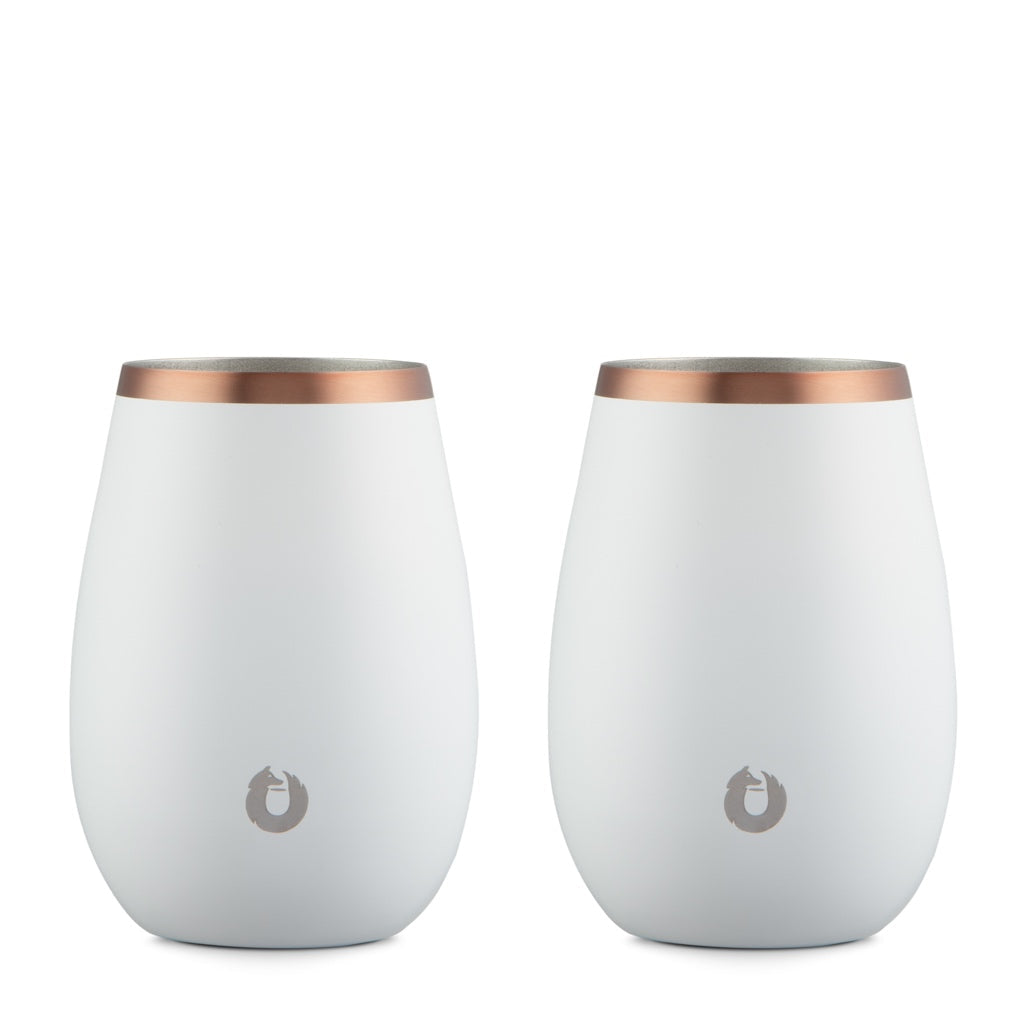
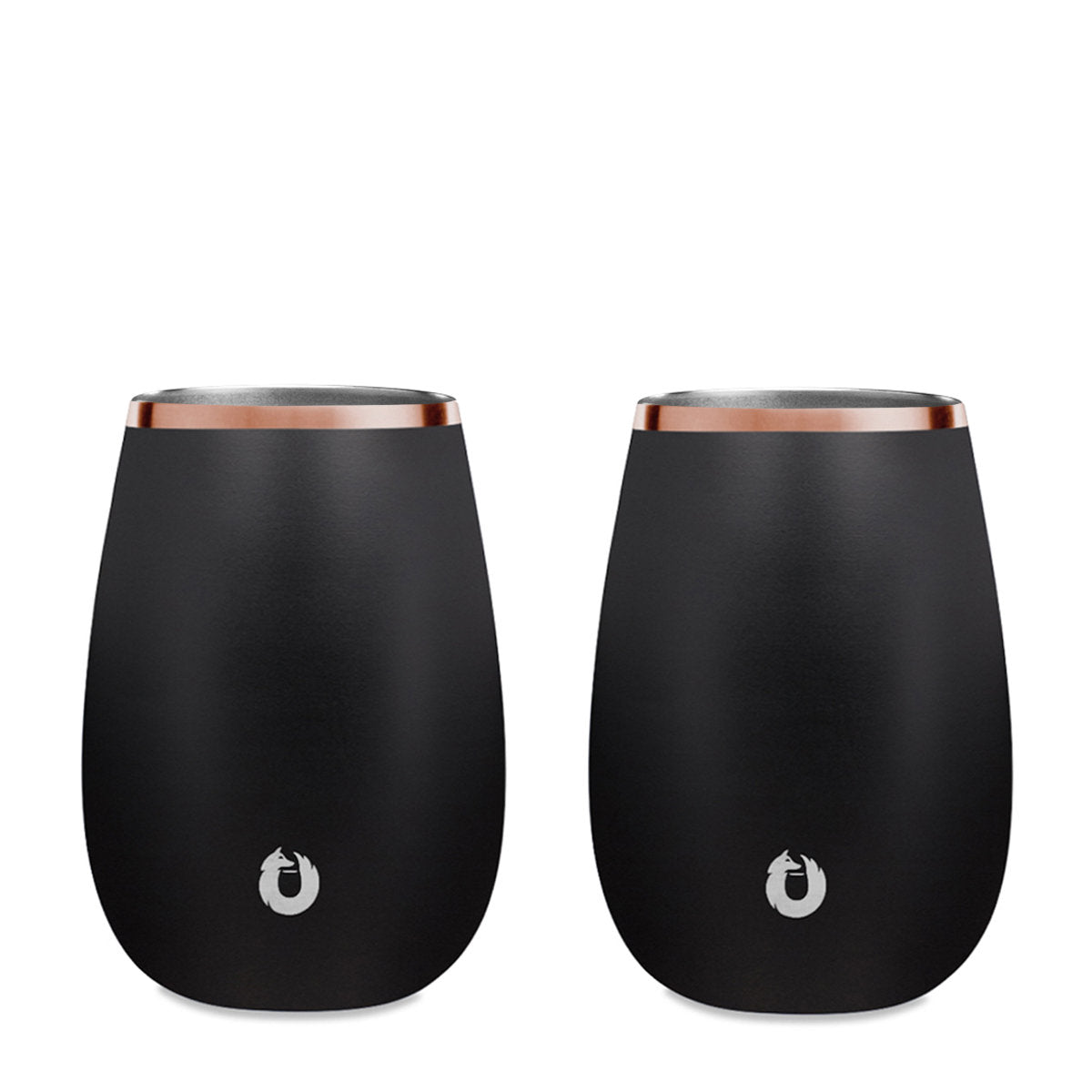
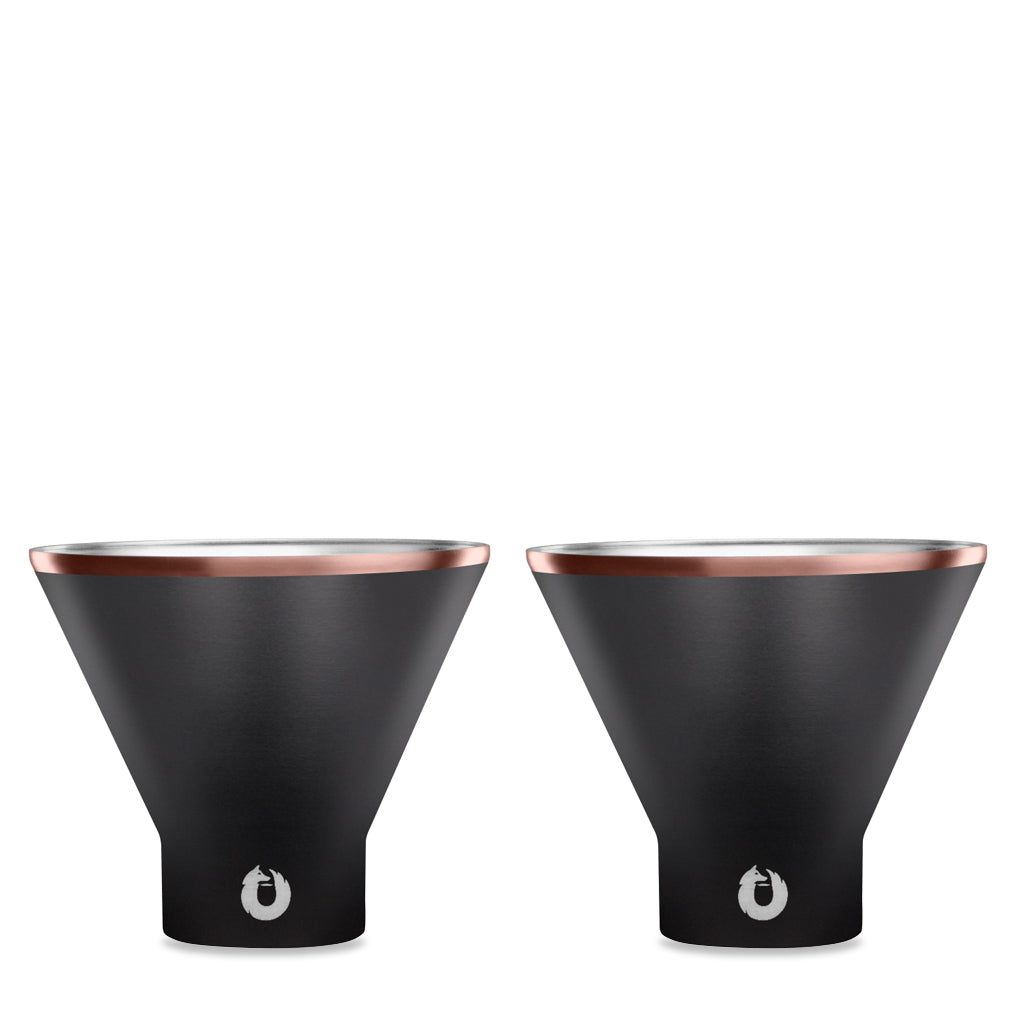
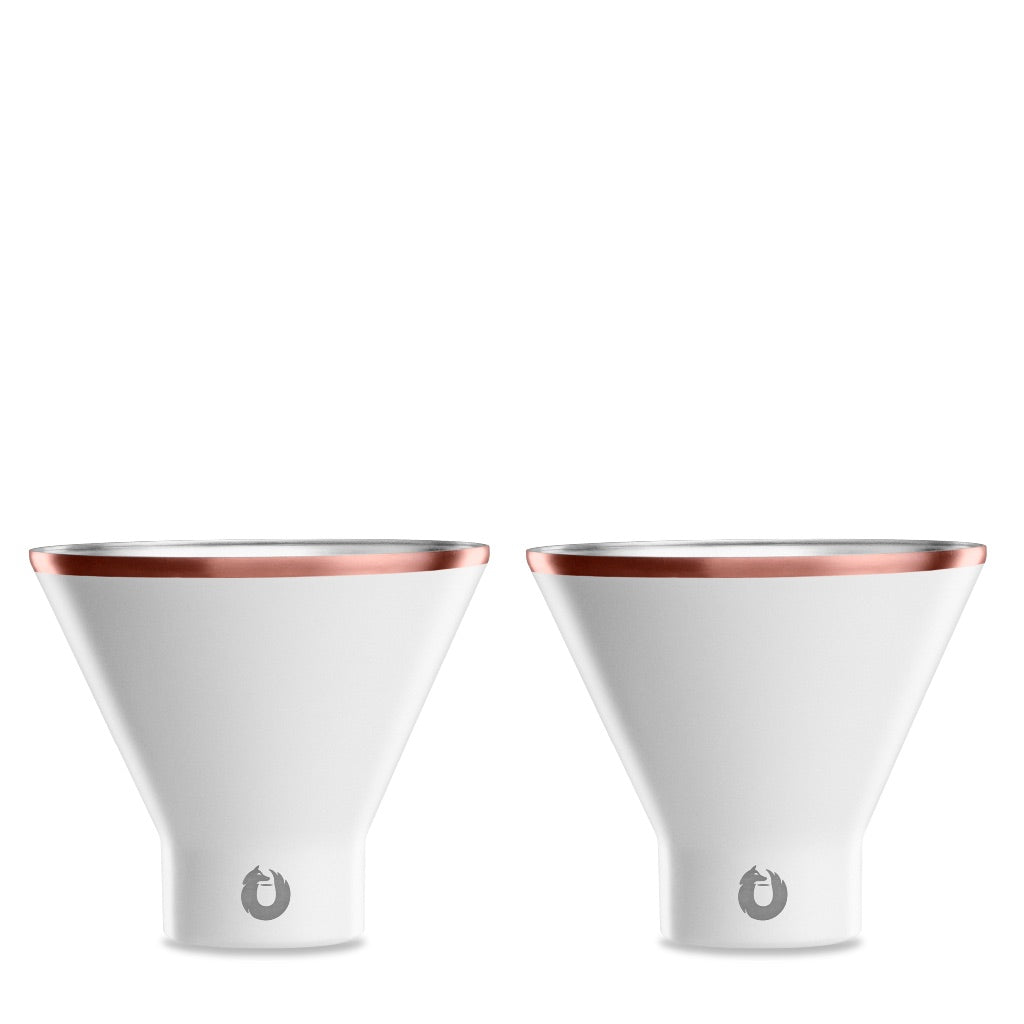
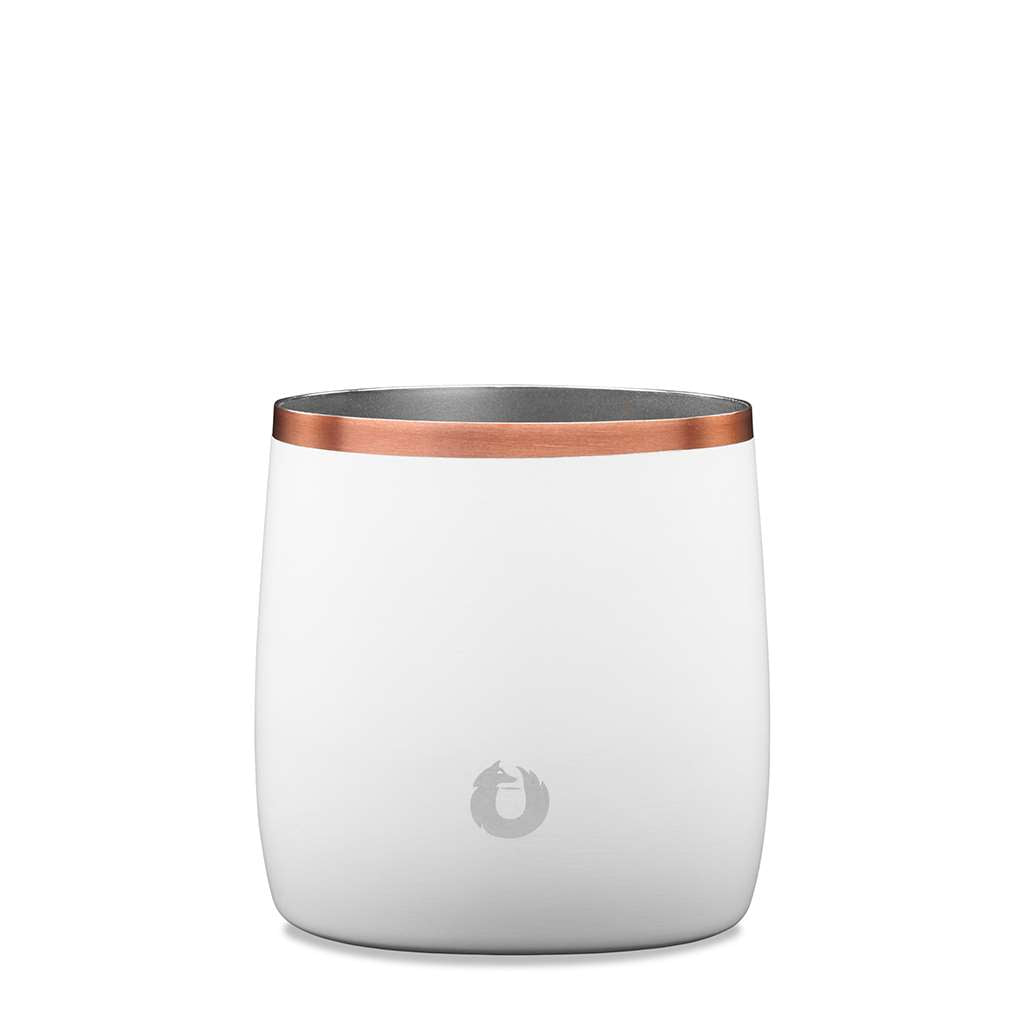
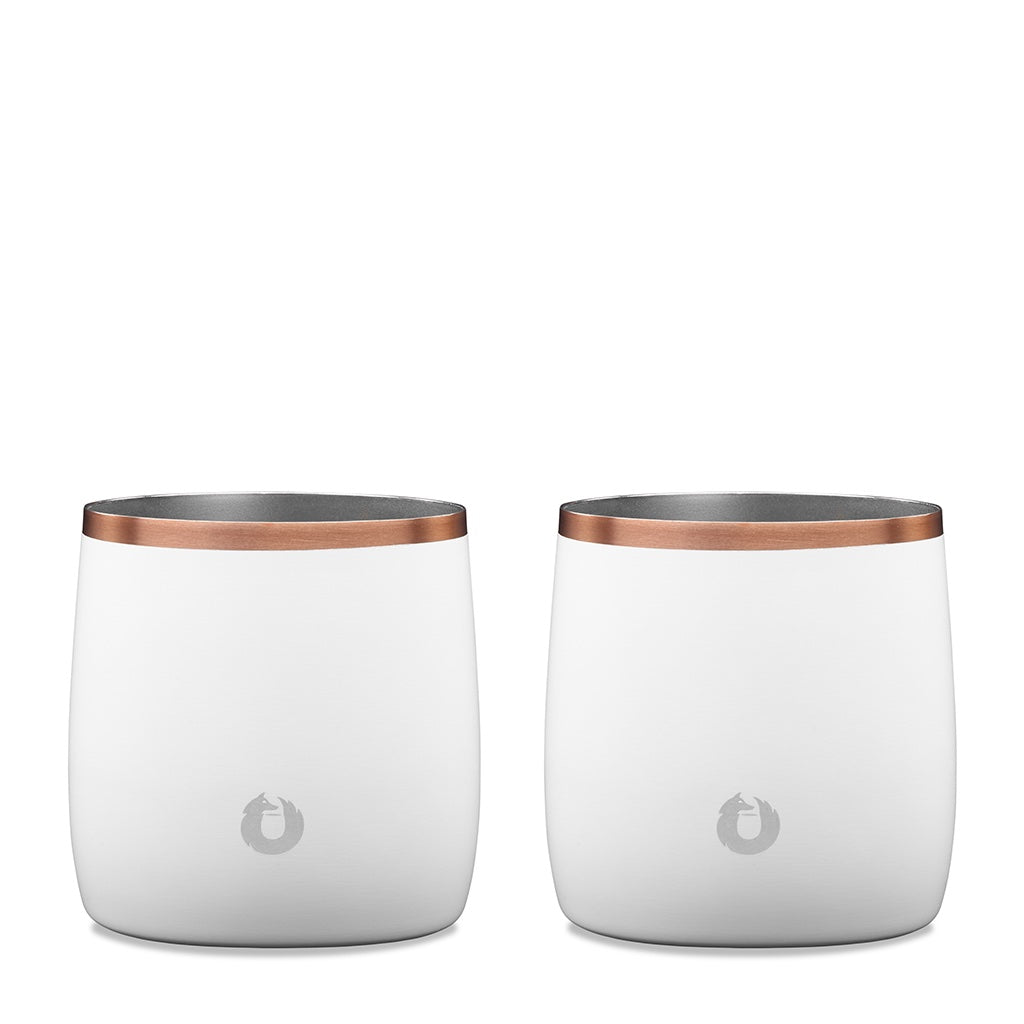
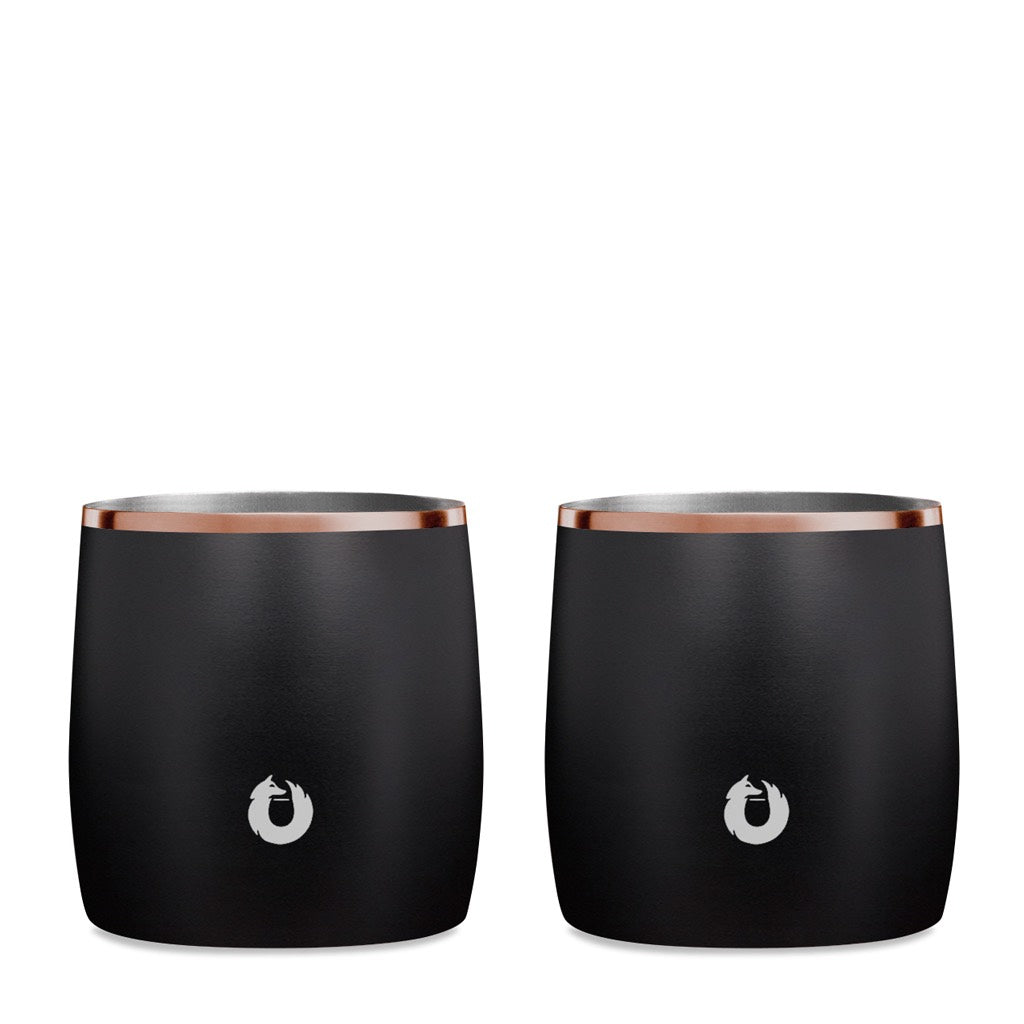
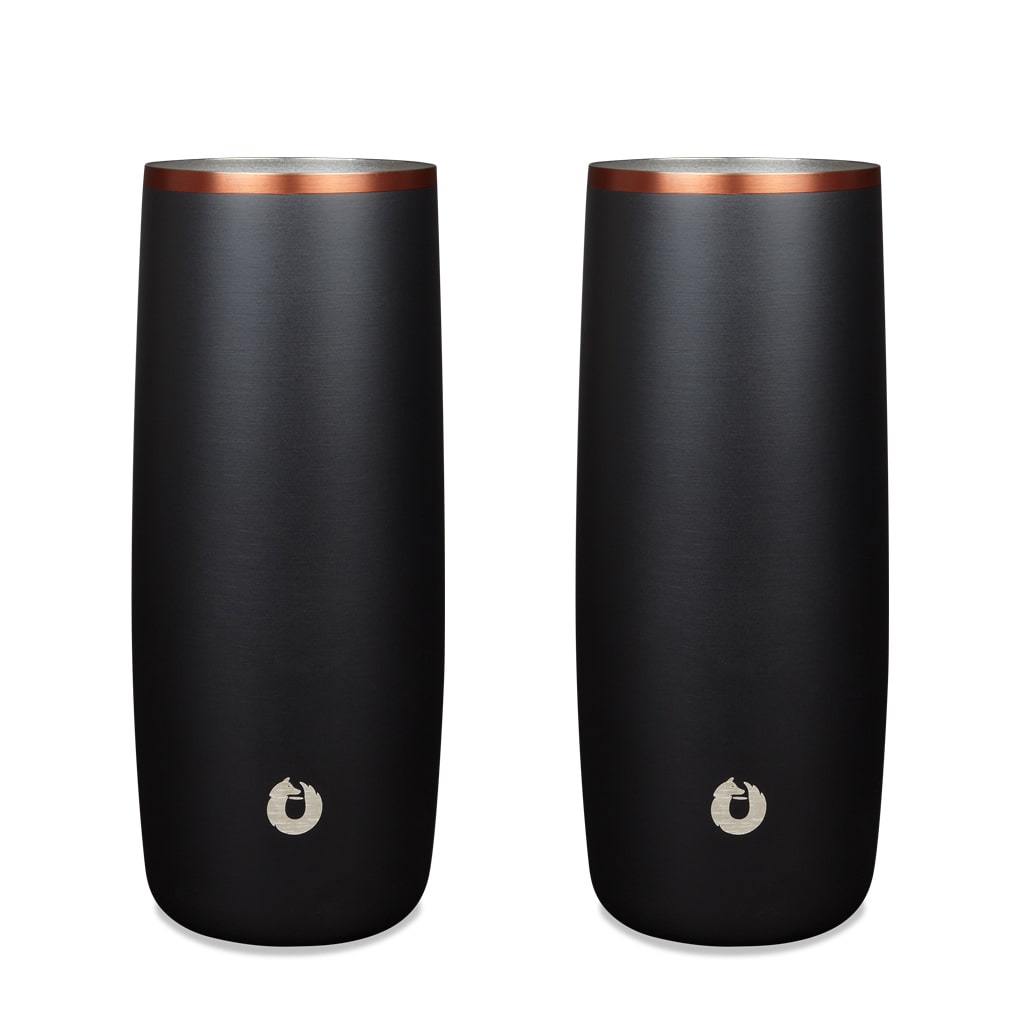
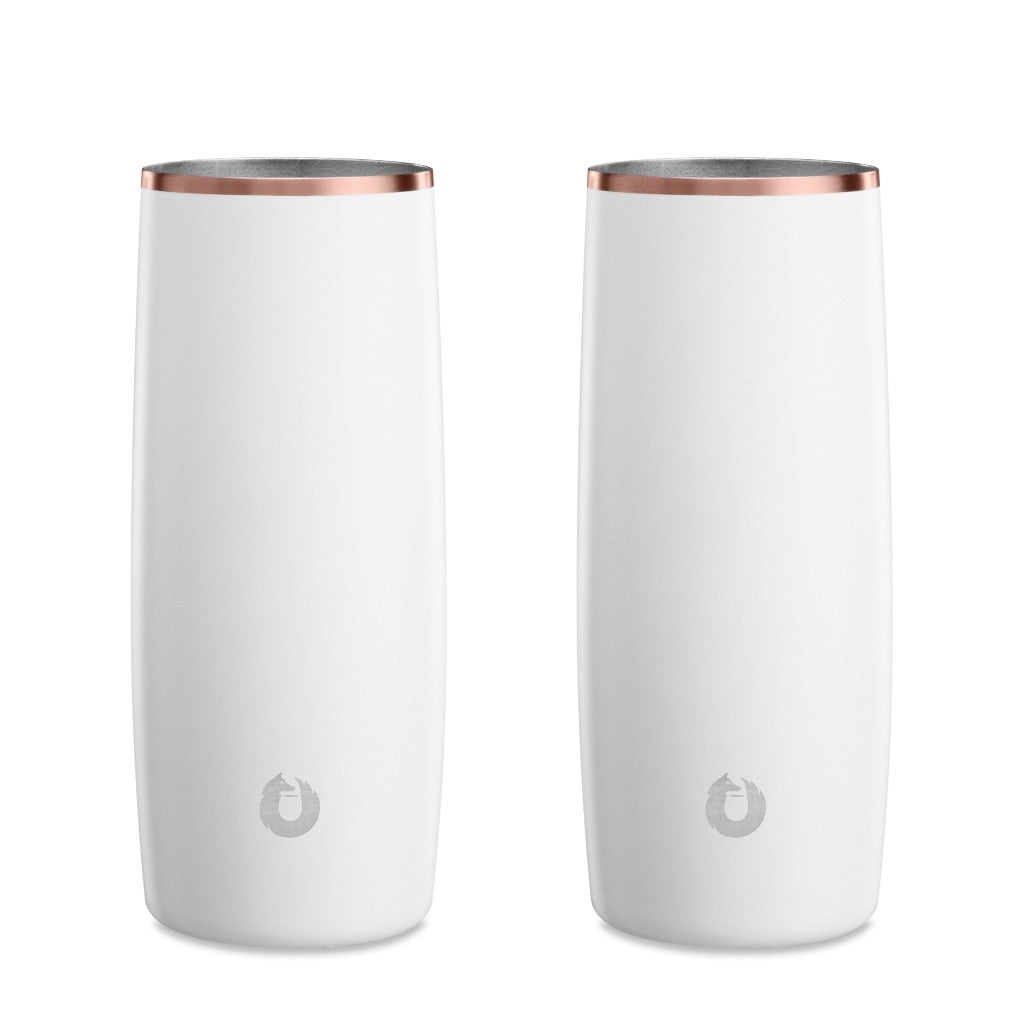
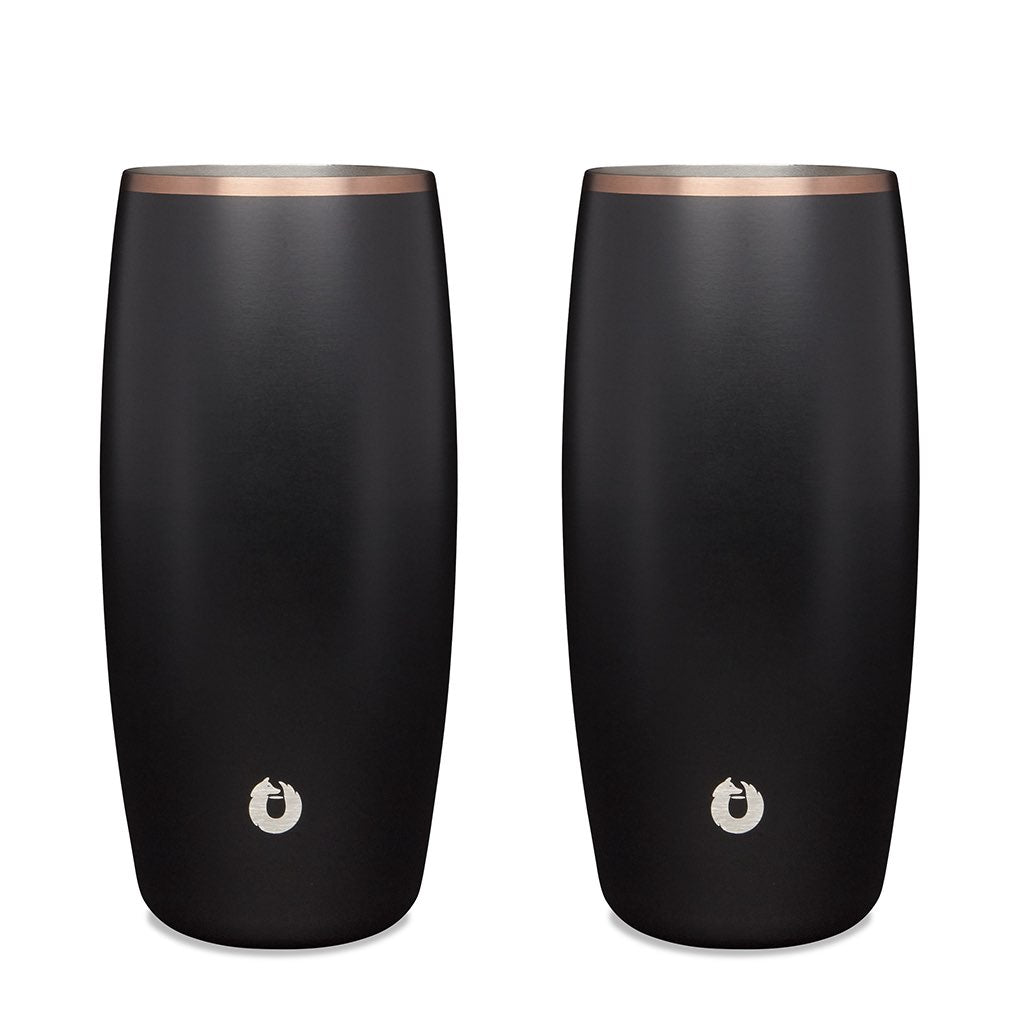
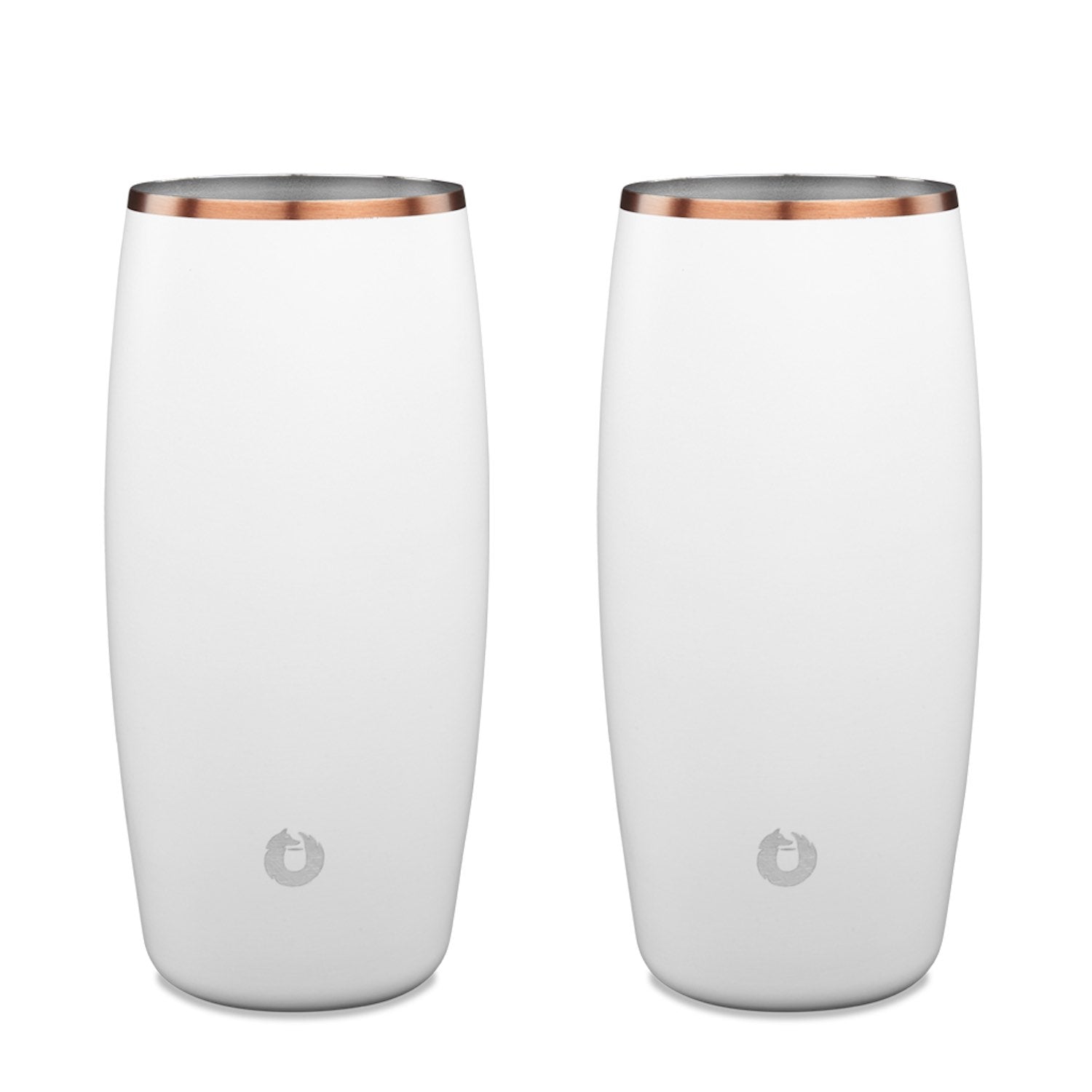
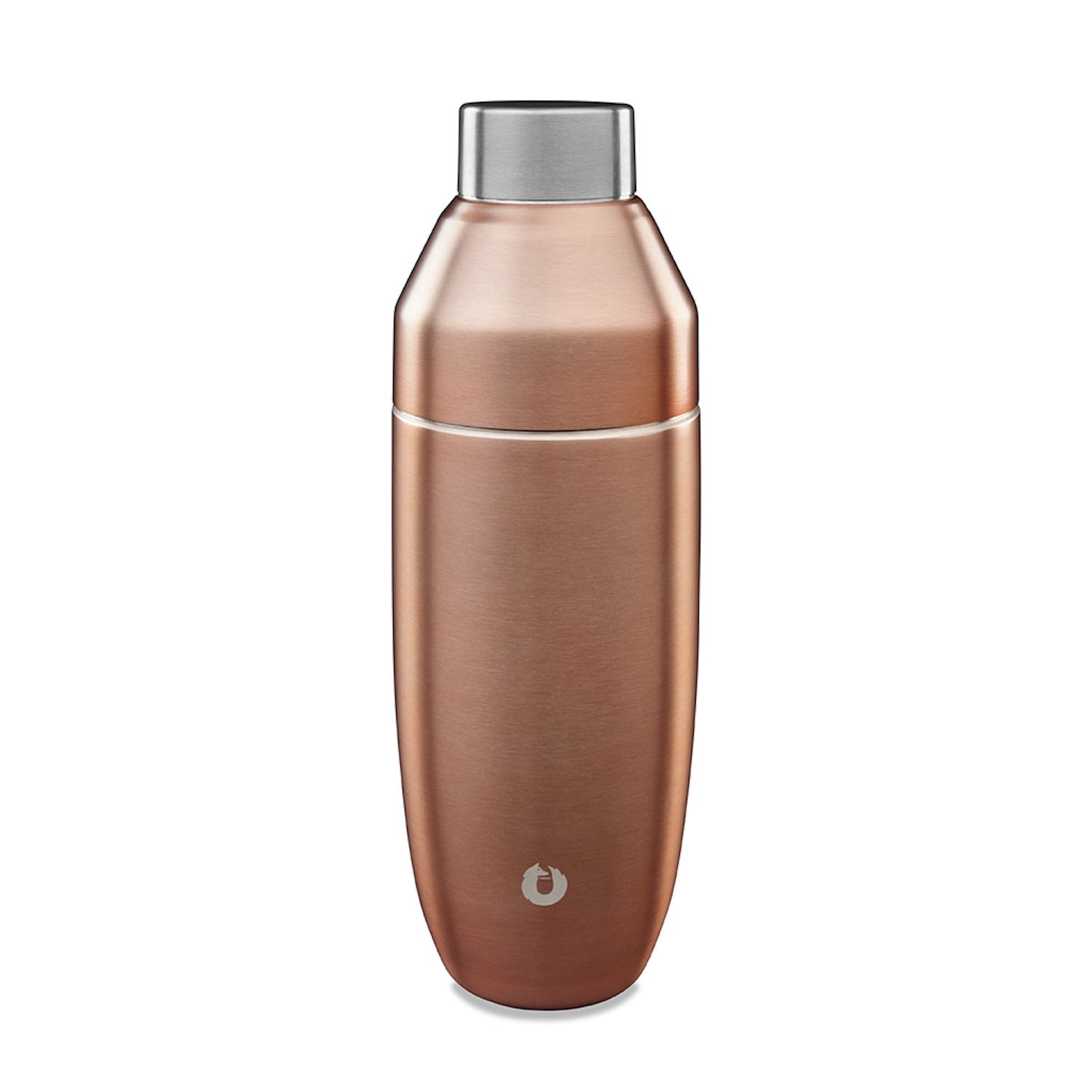
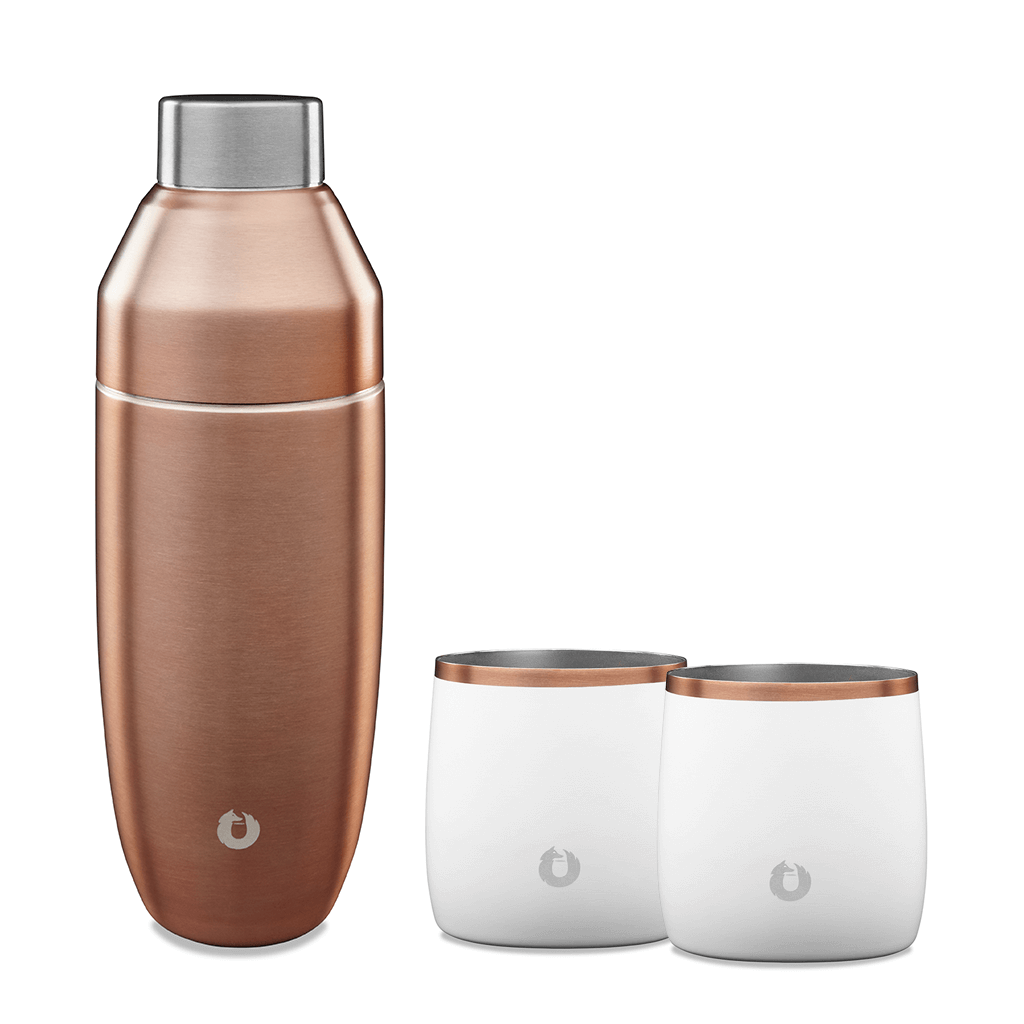
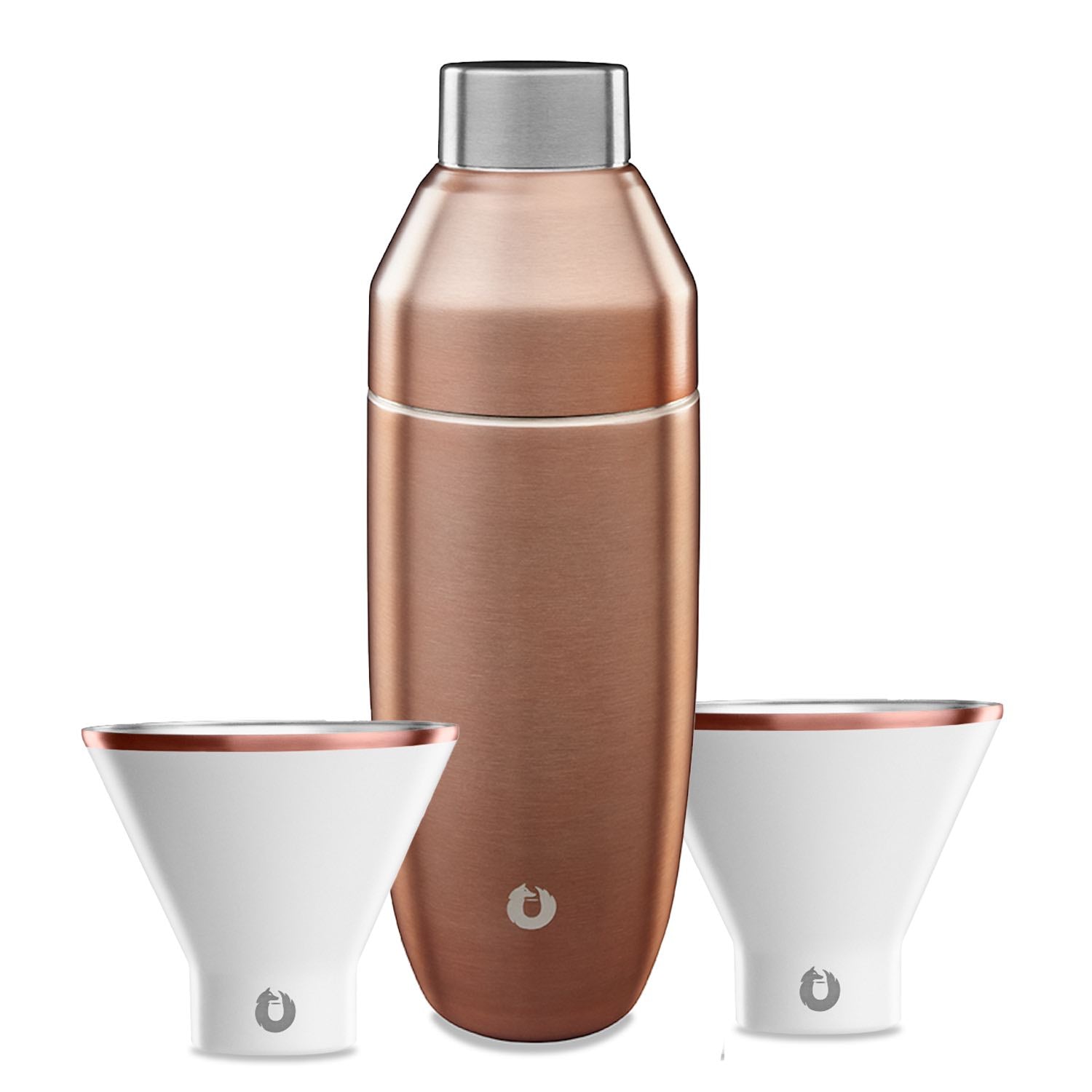
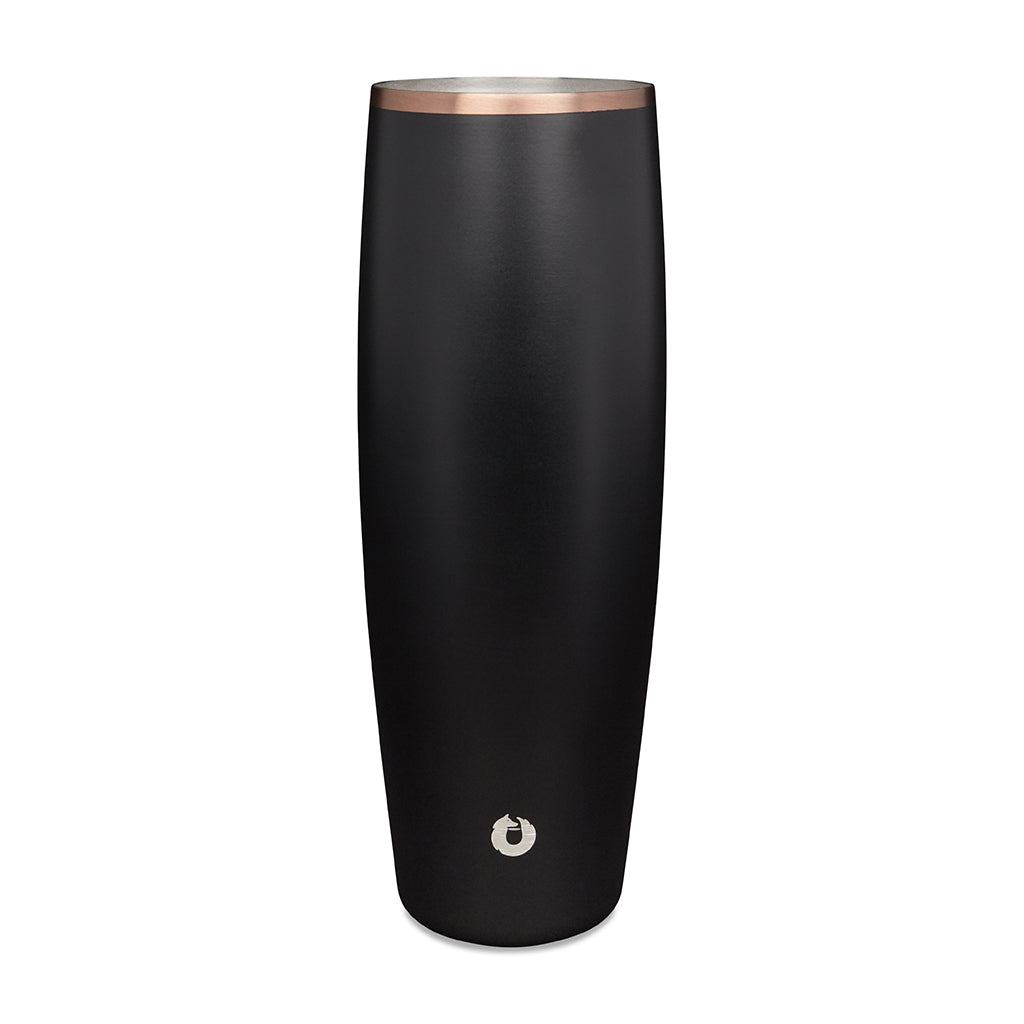
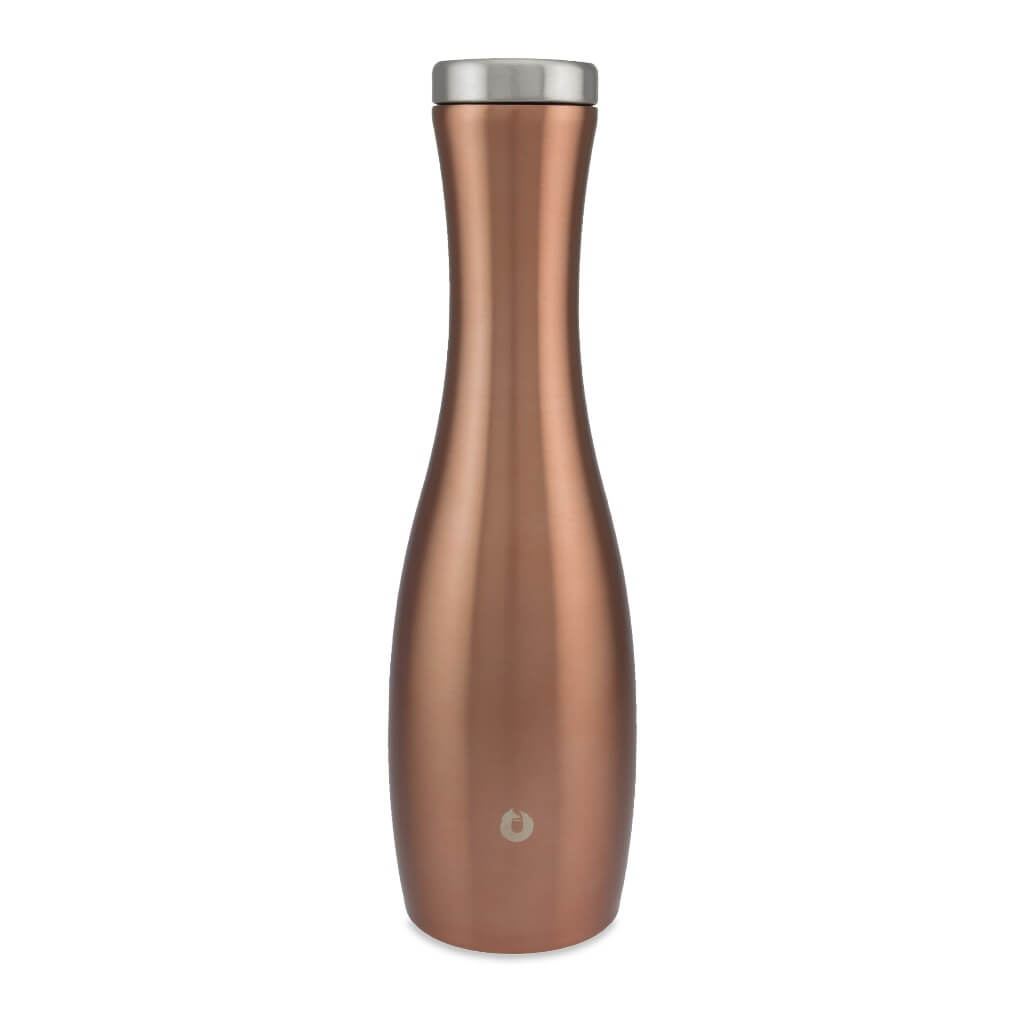
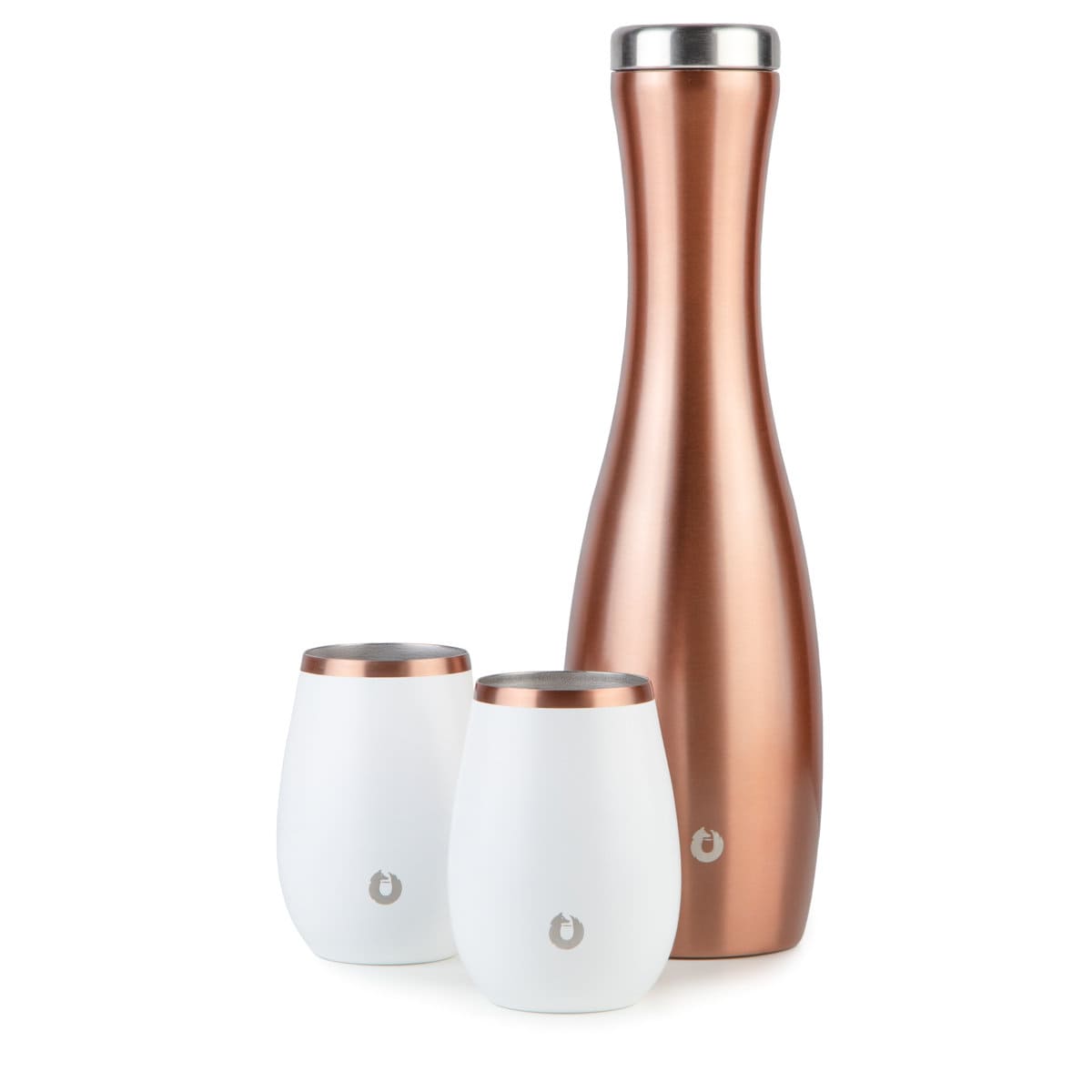
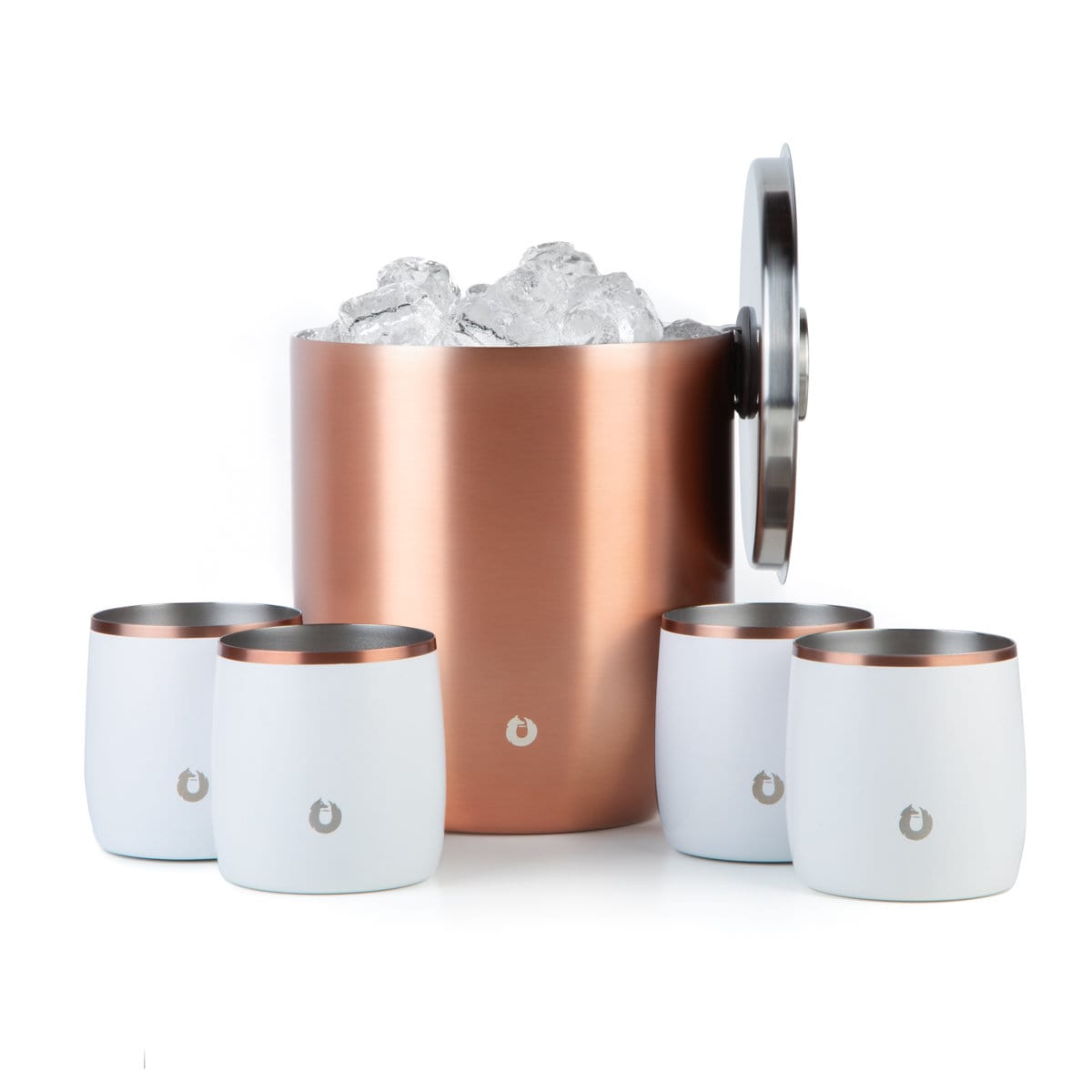
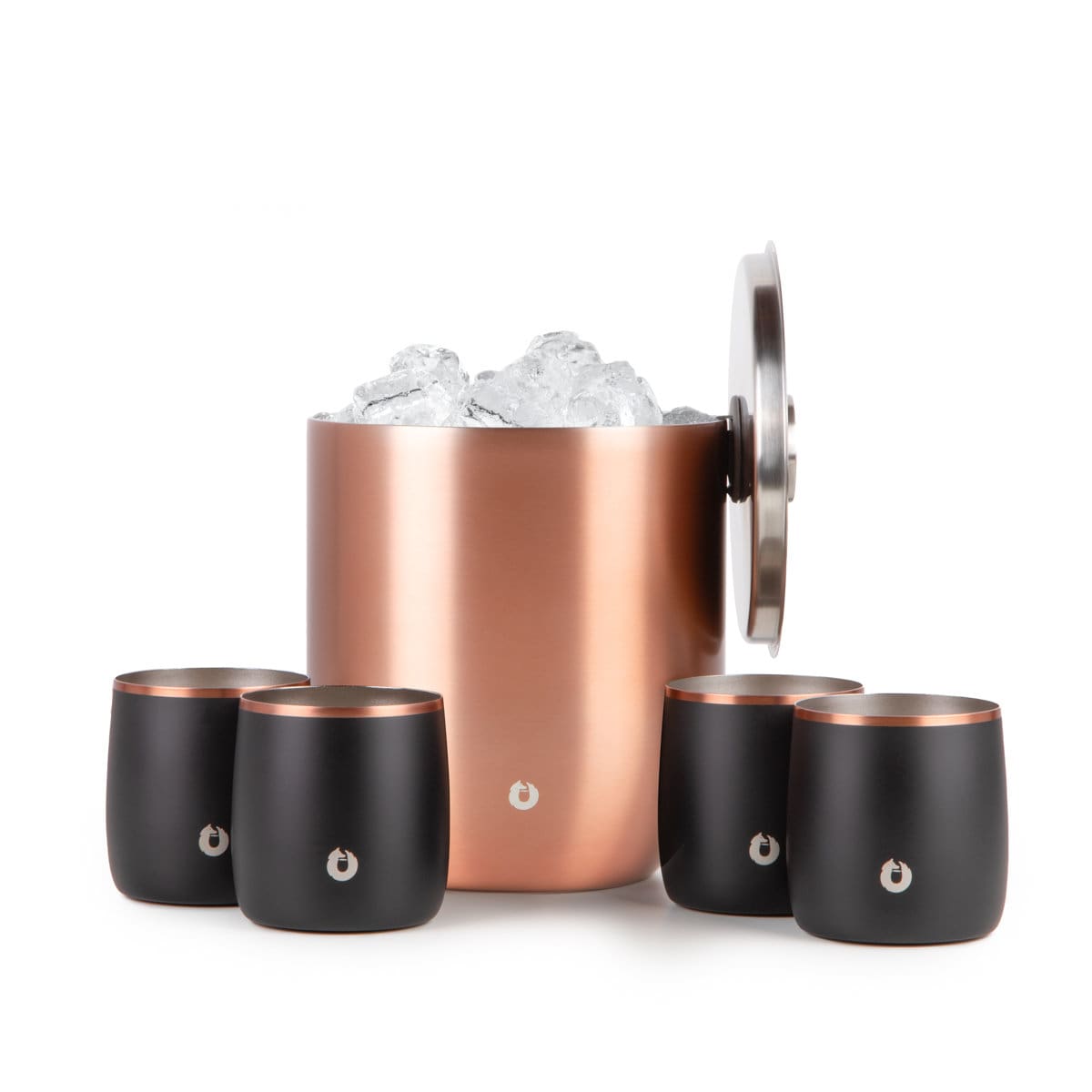
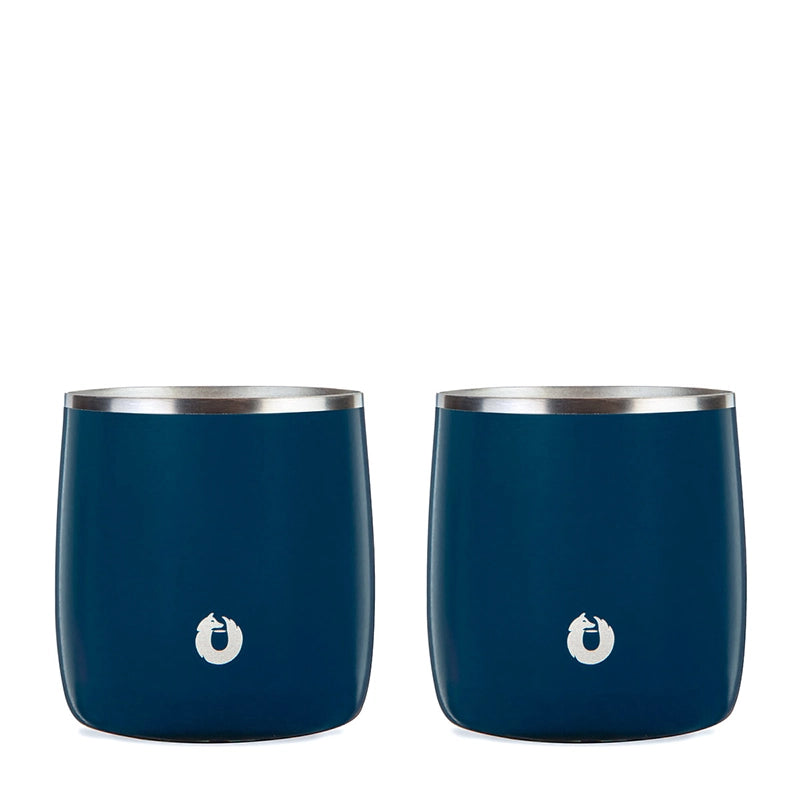
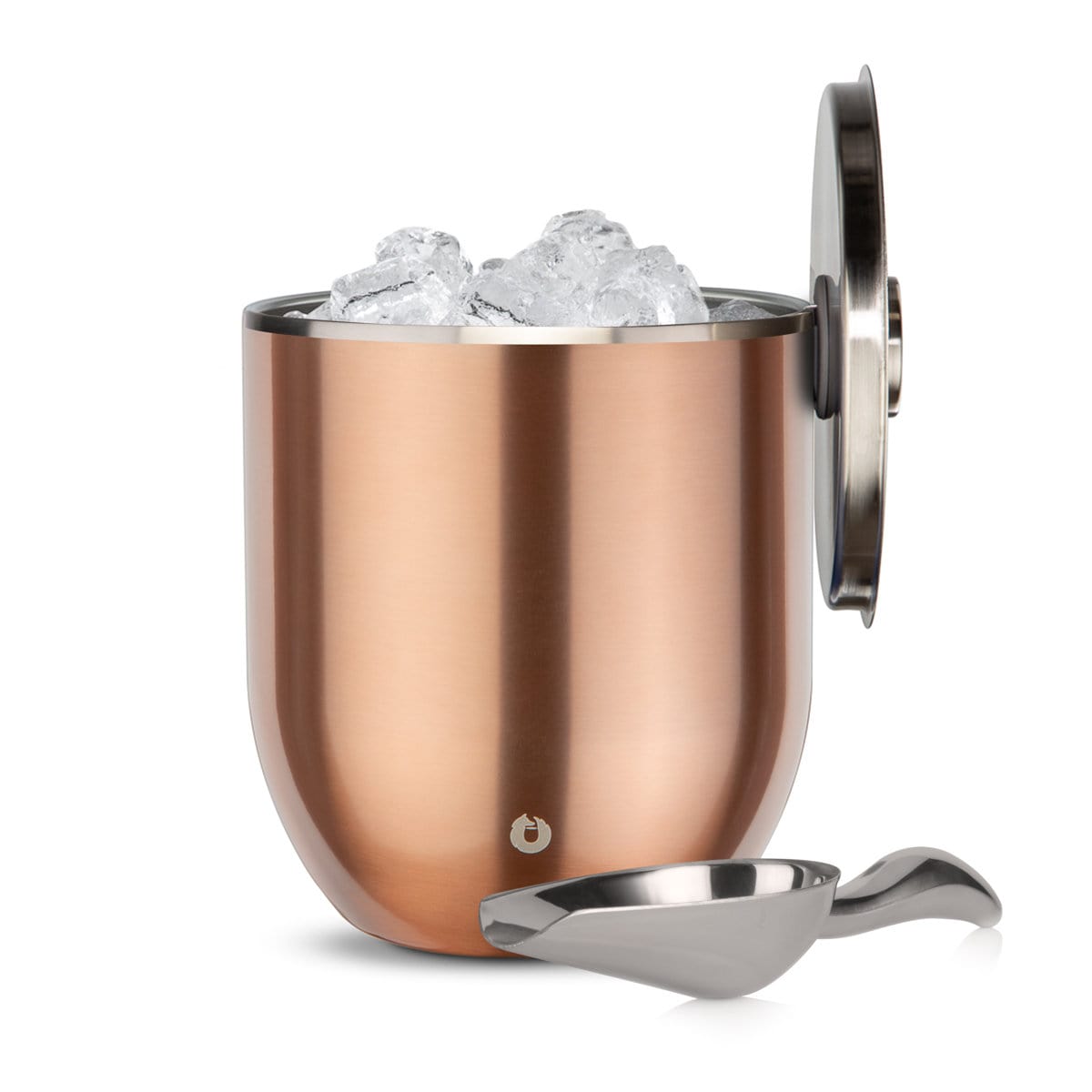
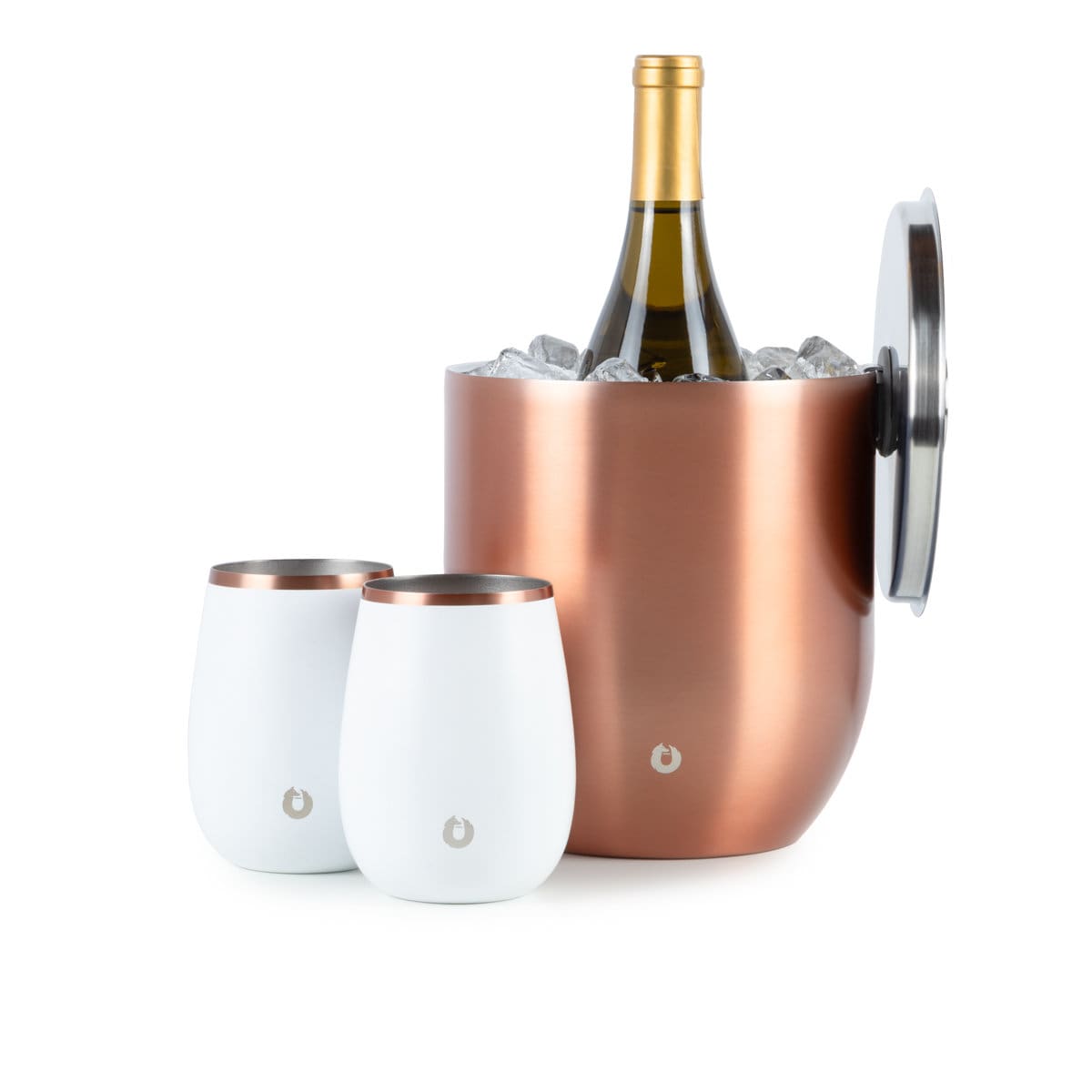
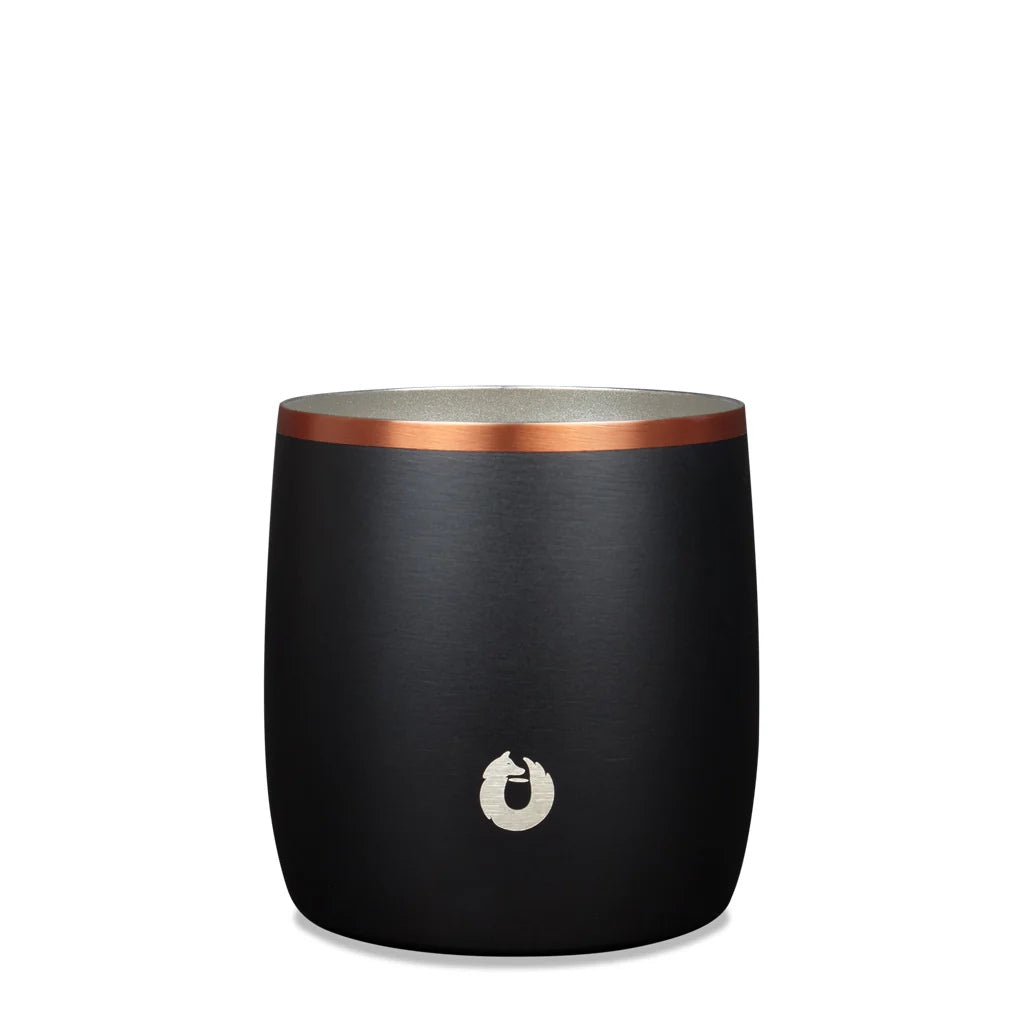
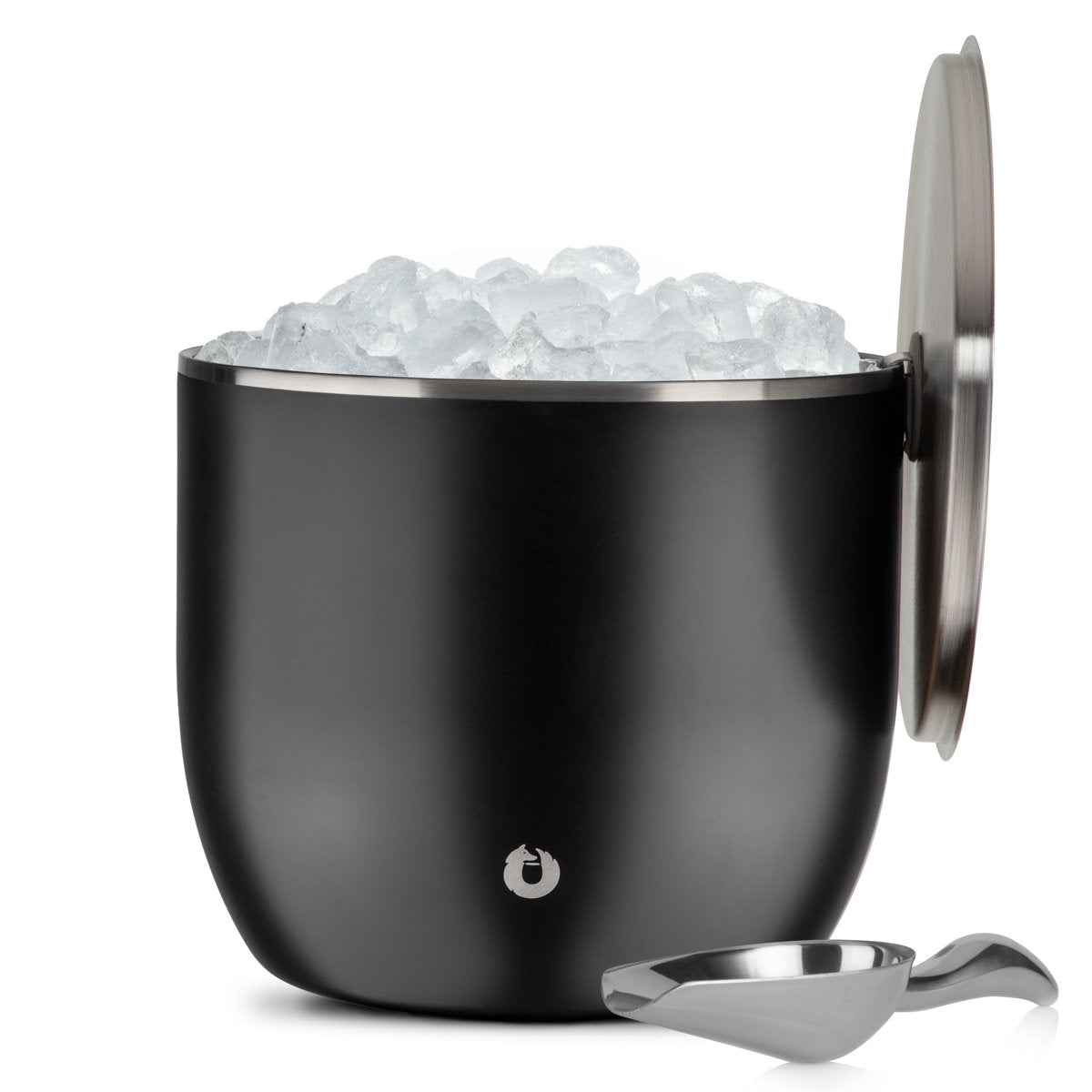
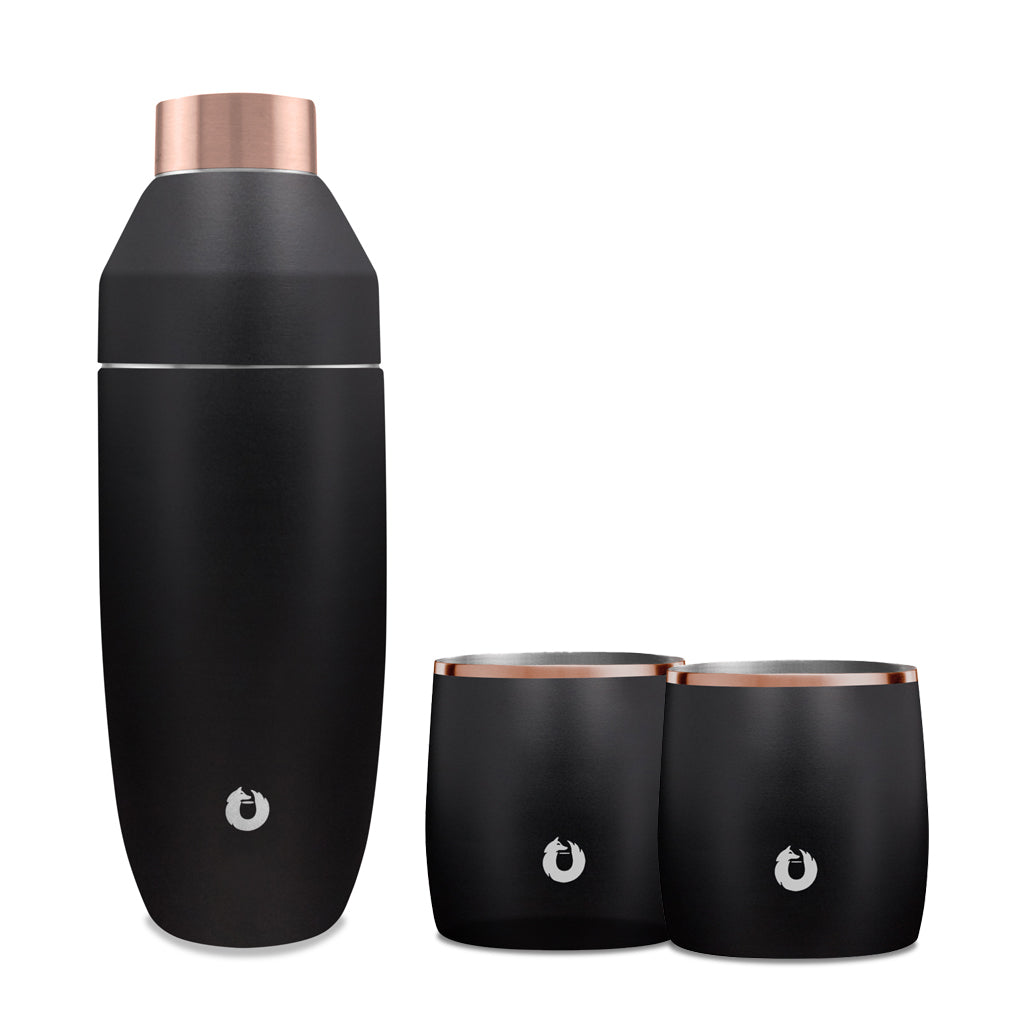
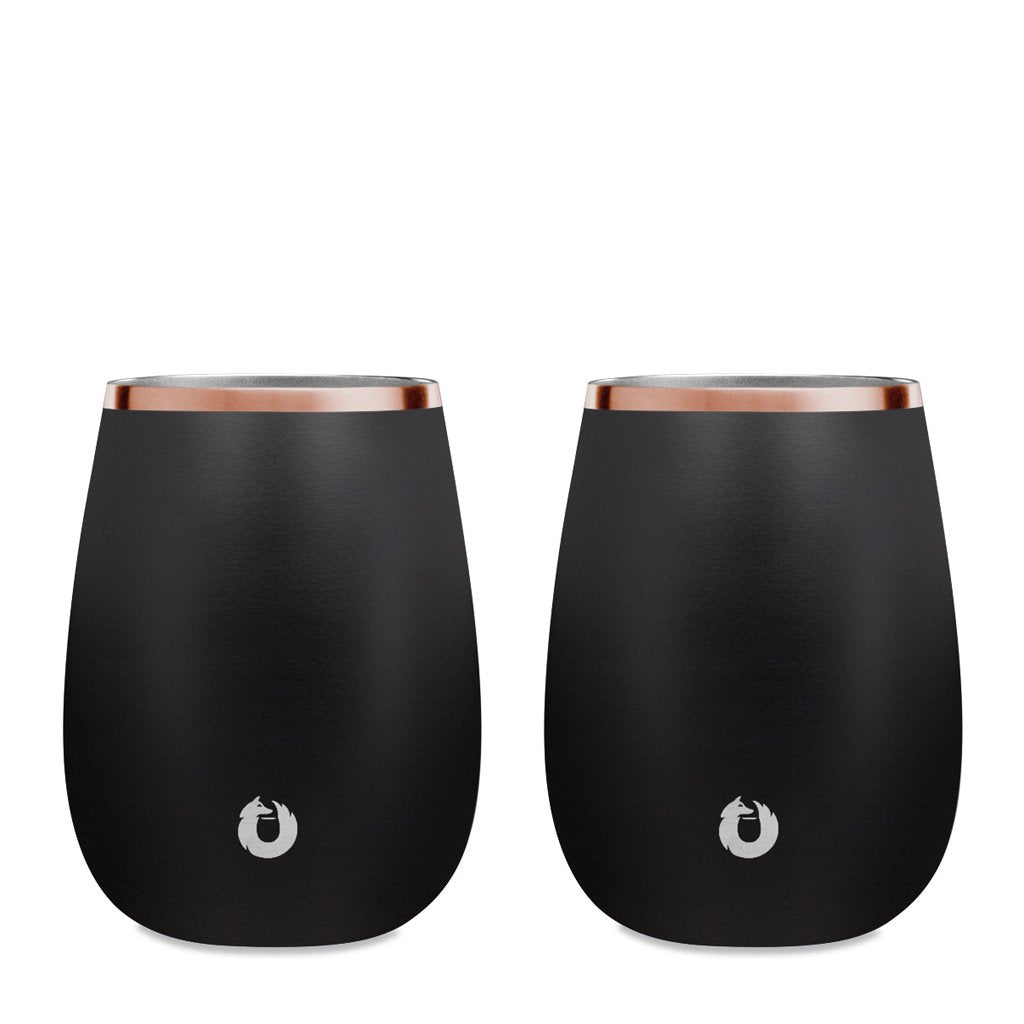
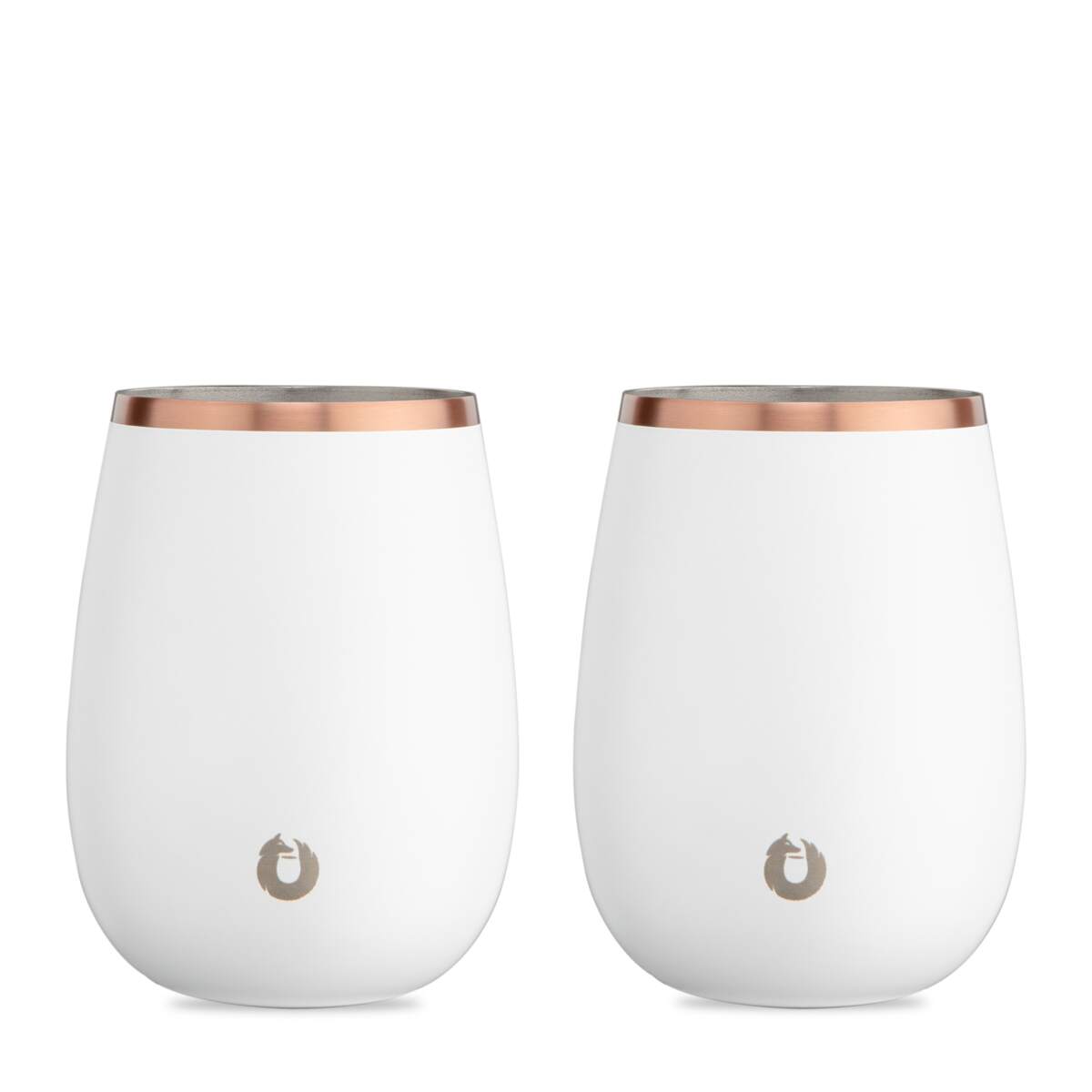
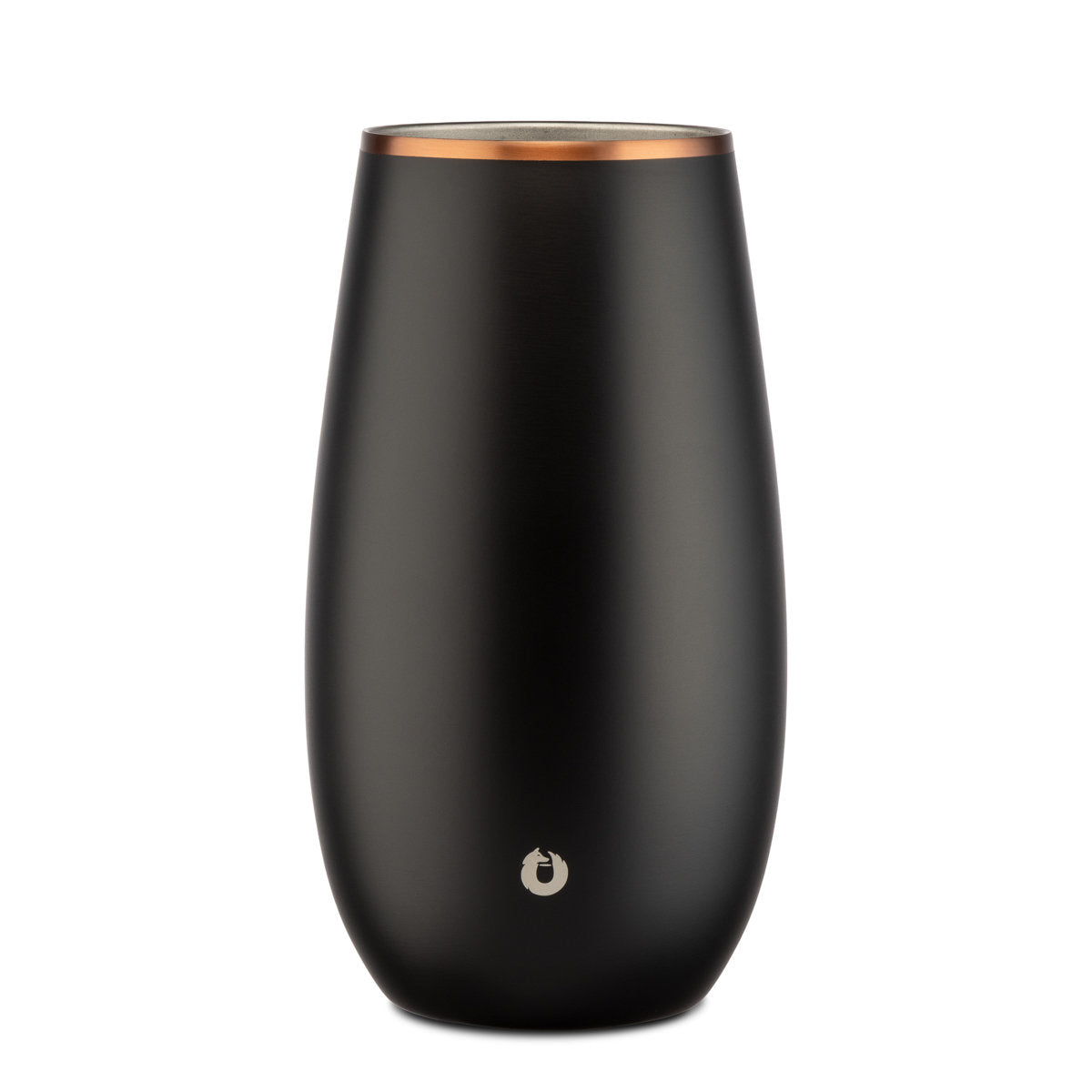
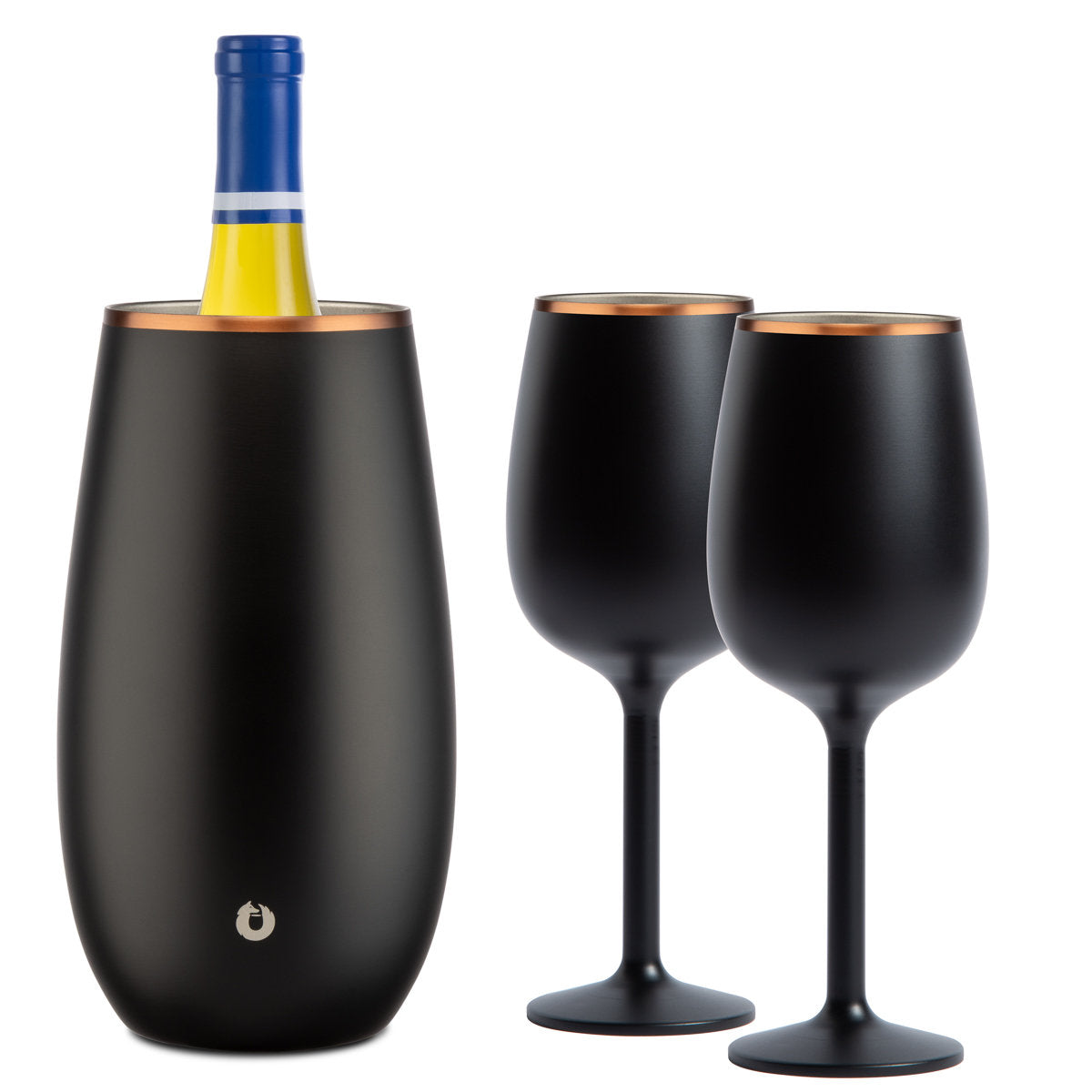
Not every great beer moment happens indoors. For patios, camping trips, pool decks, or boat days, stainless tumblers have become popular because they keep drinks cold without condensation puddles. Some premium designs mirror traditional curves so aroma still concentrates properly, while offering durability that standard glass cannot match. That is why insulated stainless steel beer glasses now appear at backyard parties where temperature control matters just as much as taste. Drinkers sometimes assume metal automatically flattens flavor, but thoughtfully shaped options maintain performance while removing the stress of breakage.
Bierstiefel (Beer Boots)

The bierstiefel, or beer boot, traces back to German drinking culture and shows up today mostly as novelty glassware or festival fun. Shaped like a leather boot, it turns pouring into a small spectacle because air trapped in the toe can suddenly rush upward and splash the drinker if tilted incorrectly. When handled right, it becomes a hilarious conversation starter and a favorite for group photos. While it's not ideal for analyzing subtle flavors, it adds personality to gatherings and brings tradition to the table. Learning the proper tilt keeps beer flowing smoothly instead of soaking your shirt.
Beer Glass Types vs Beer Styles (Data Table)
Different styles shine in different shapes. Here's a quick reference comparing the styles and types to help you choose.
| Glass Type | Beer Style | Why It Works |
| American Pint | Pale ale, amber | Easy pouring, wide opening |
| Tulip | Belgian ales, IPAs | Traps aroma, supports foam |
| Snifter | Strong beers | Concentrates scent |
| Czech Pilsner | Light lagers | Highlights bubbles |
| Weizen | Wheat beers | Tall for foam |
| Goblet | Dark Belgian | Preserves carbonation |
| IPA Glass | Hoppy beers | Aerates hops |
| Stainless Tumbler | Outdoor pours | Temperature control |
| Bierstiefel | Festivals | Fun presentation |
Expert Tips for Choosing the Appropriate Glassware to Drink Beer
Home drinkers often need versatility more than specialization, while bars focus on presentation and turnover.
For gifting, durability and style matter equally because people want something that looks impressive on the shelf but survives regular use, outdoor parties, and busy kitchens. Look for dishwasher-safe materials, stackable designs, and storage that keeps rims from chipping. Outdoor drinkers should favor insulated options over fragile crystal.
If you host frequently, a mix of pints, tulips, and insulated options covers most situations. For apartments, patios, or travel, durable options like unbreakable stainless steel glassware shine. In indoor cabinets, classic shapes cover most needs. Always check labels for dishwasher-safe materials before placing them in the dishwasher, and let pieces air dry to avoid residue.

Common Beer Glass Myths (Debunked)
Myth: One glass fits all beers.
It sounds convenient, but this myth usually means your beer is doing extra work just to taste normal. A straight-sided pint is fine for plenty of pours, yet it won’t treat a wheat beer the same way a wheat beer glass will, and it won’t lift hop aroma like an IPA glass. Different styles behave differently in the glass, especially when carbonation, foam, and aroma are big parts of the profile.
Myth: Glass shape doesn't matter.
The right glass shape matters more than most people expect because your nose is doing a lot of the “tasting.” A narrow mouth can concentrate the beer’s scent so you notice more hop oils or malt sweetness, while a wide opening lets the beer breathe and spread out. Foam also plays a role here since the beer’s head helps carry aroma compounds upward, which can shift how flavor hits on the palate.
Myth: Foam is bad.
Foam isn't wasted beer. It's part of the pour, and it protects what makes the drink enjoyable. A proper head acts like a lid that holds aroma near the top of the glass, and it also affects texture, so the beer feels smoother instead of flat. Big foamy heads can be annoying if that's all you get, but a controlled cap of foam is usually a sign you poured well and that the beer still has life.
Final Takeaway
Great beer deserves the right stage. Glass shape affects aroma, foam, and temperature far more than most drinkers realize. Stocking a few different styles lets every pour shine, from crisp lagers to bold imperial stouts.
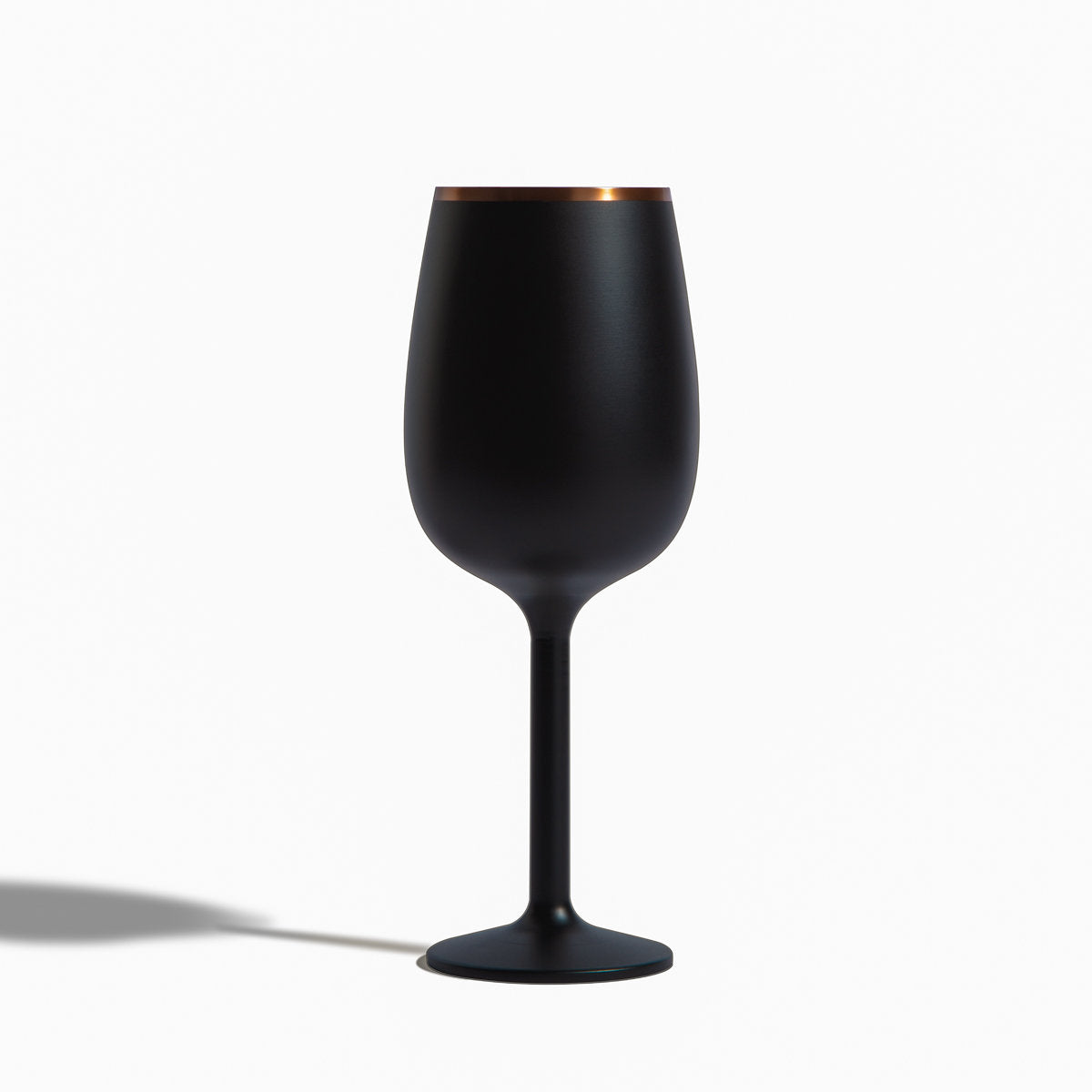
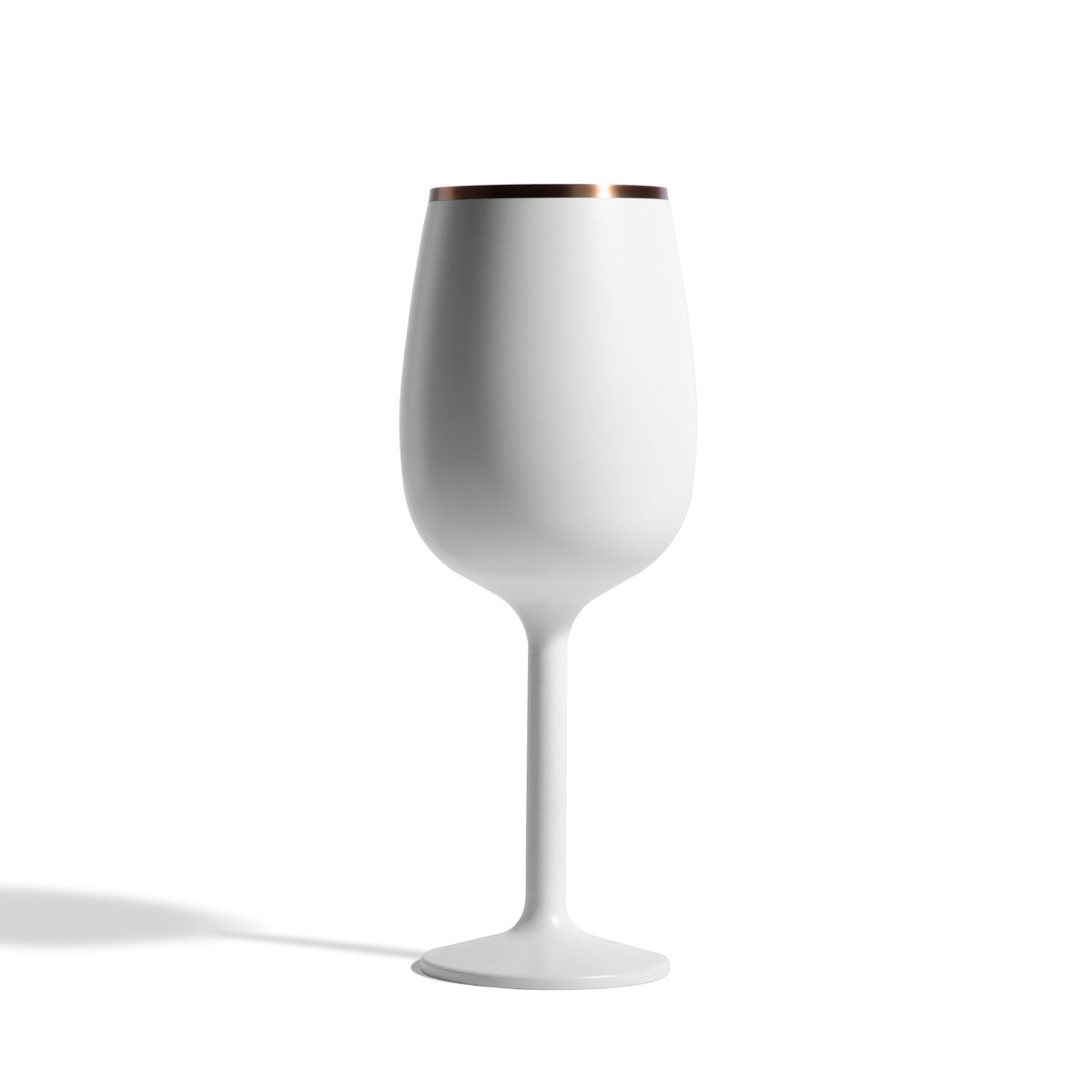
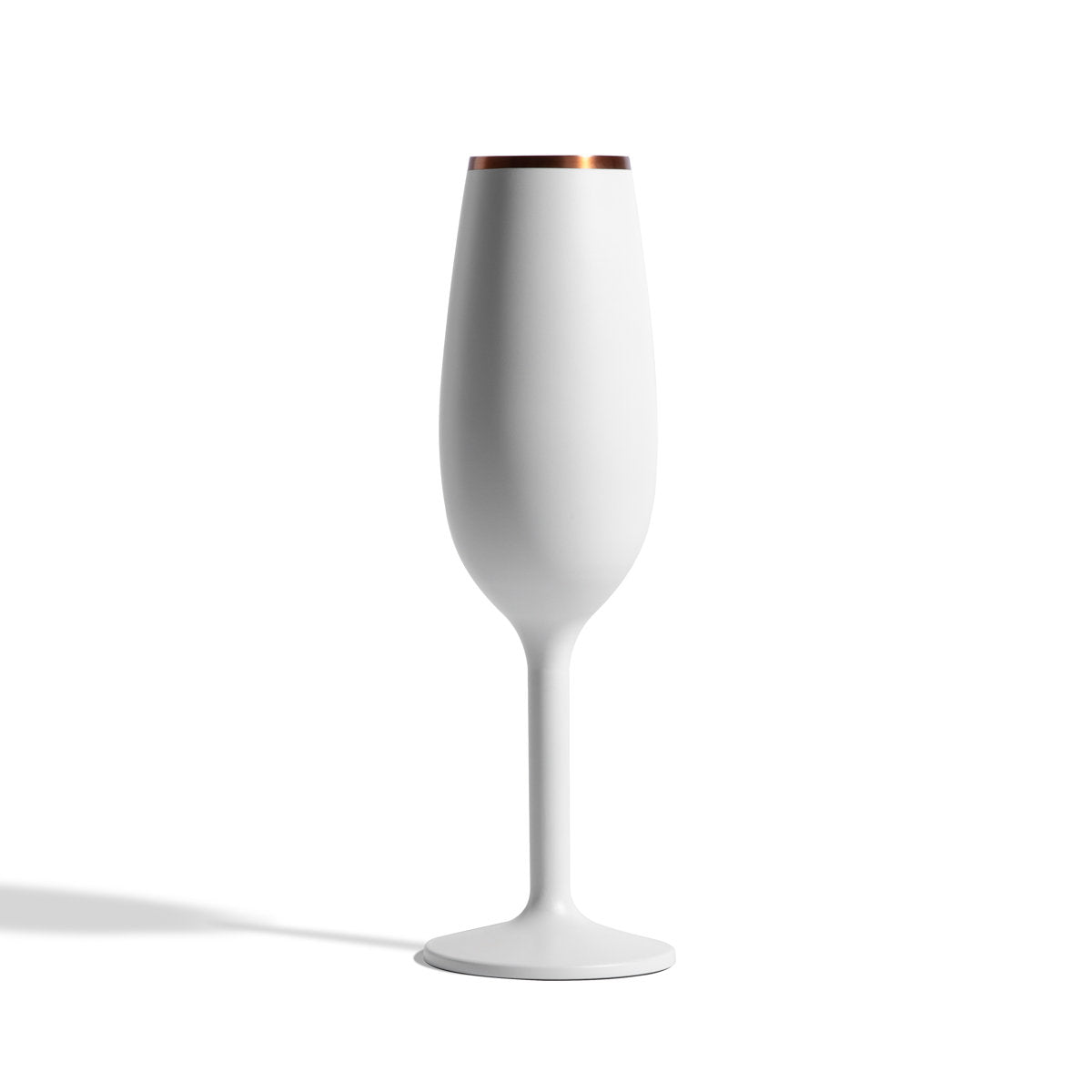
When durability and elegance matter, Snowfox glassware brings thin rims, sweat-free design, and outdoor-ready performance into one polished lineup. Browse their drinkware collections, beer accessories, and gift hampers to upgrade your next pour or surprise the beer lover in your life.
Methodology Disclaimer: This article was created using educational material from the Brewers Association and Certified Cicerone Program, Snowfox brand insights, and real home entertaining scenarios.
Frequently Asked Questions
What are the different types of beer glasses?
The different types of beer glasses include pints, tulips, snifters, pilsners, goblets, mugs, stange glasses, and specialty designs, each serving different styles.
Can you drink beer from wine glasses?
Yes. You can drink beer from wine glasses, though they may release aroma too quickly for some beers.
Does glass shape affect beer flavor?
Glass shape doesn't necessarily affect beer flavor, but it can change the aroma flow, foam stability, and carbonation feel.
Which glass thickness keeps beer cold the longest?
The best glass thickness to keep beer cold the longest is thick or insulated. Thicker or insulated designs slow warming.
Do expensive beer glasses make a difference?
Sometimes expensive beer glasses can make a difference when drinking beer. Better shapes and thinner rims can boost aroma and foam, so flavors feel clearer. Price matters less than choosing the right beer glass for the style.
How many beer mugs and glasses should a home have?
Three to five different beer mugs and glasses usually cover most needs, like a couple of pints, one tulip shape, and a mug or insulated option.