

When you’re hosting a party or learning about mixing drinks, you understand the distinction between average alcohol and the top-shelf variety. But if you start looking around at the venues that serve cocktails, you’ll see another big difference: the general bars and restaurants consistently use the same types of glasses, while fine dining establishments use a variety of cocktail glasses, depending on the drink served.
What’s the big deal, though, doesn’t it taste the same, regardless of the glass you use? Well, yes… and no.
For a lot of guests, the look and feel of the drink matters almost as much as the alcohol. If you want to be seen as a seasoned professional or upscale host, you must match the drink to the cocktail glass. Here, we’ll share the eight glasses you must have in your cabinet to cover any beverage request, as well as professional tips and a list of our favorite cocktail glass brands.
Cocktail Glass Materials
The term “glass” is a little misleading when it comes to cocktails, so let’s look at what you’ll see as you shop for these drink containers. While glass is what you’ll see at many upscale establishments, you can also confidently serve your cocktails in steel and plastic.
Glass is popular because it looks elegant and sophisticated. This material is easily manipulated during the manufacturing process, so it can be shaped to enhance the beverage’s aroma and flavor. Since it’s clear, glass also boosts the drinking experience with the addition of color and garnish. However, on the downside, it’s easily breakable and more expensive than other options. Importantly, there’s no insulation, so cold drinks get warm quickly.
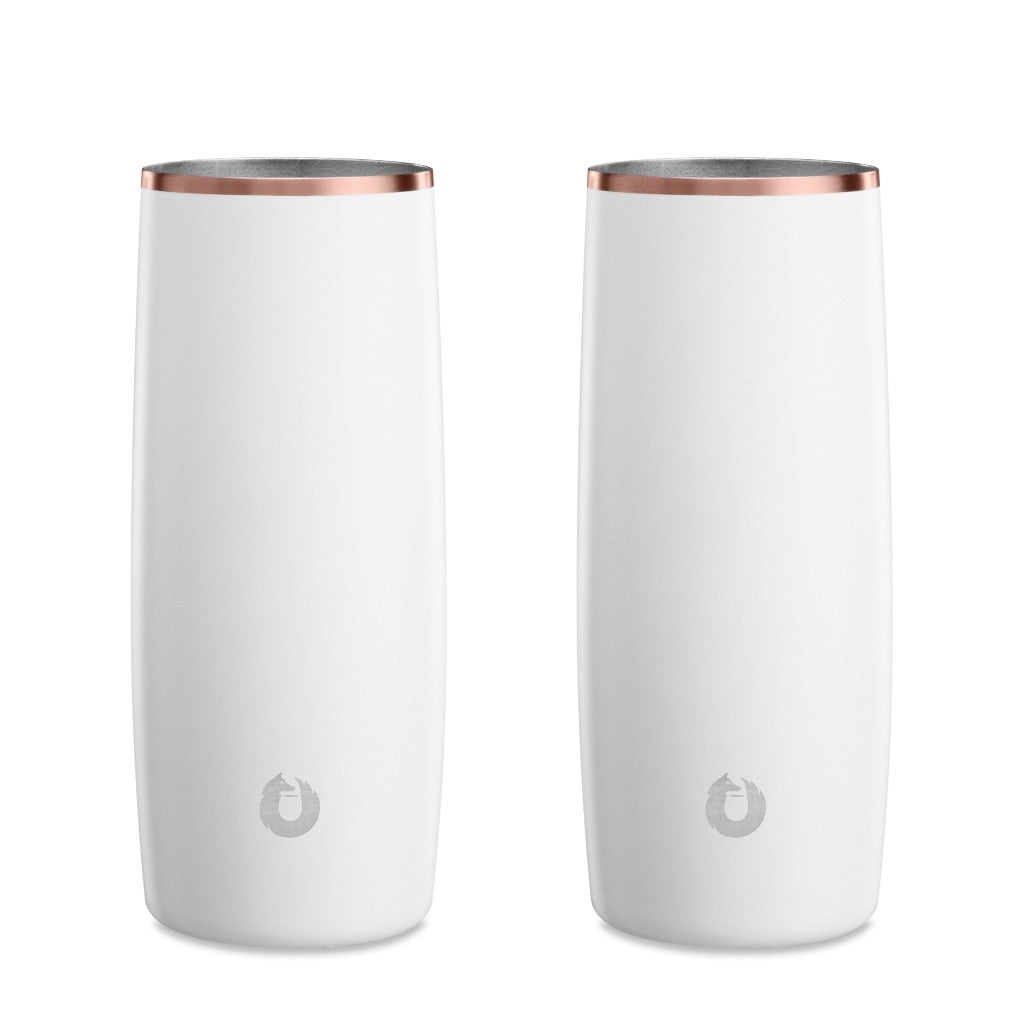
On the other hand, stainless steel glasses, like those we have at Snowfox, are durable, reusable and eco-friendly, and have superior temperature retention properties. Cold drinks stay cold without the need to freeze or chill the container, unlike cocktail glasses, which require freezing or chilling. Steel is modern, sleek, and aesthetically pleasing. Glass has limited design options; steel can be customized to match your color scheme and overall theme, whether you prefer a fun and carefree look or an elegant and classy one. The only downside of using steel, from a drinking experience point of view, is visual: you can’t see the liquid, but you’ll enjoy the taste of your liquor consistently with every sip.
Some places serve cocktails in plastic, which is more affordable than steel and glass and is see-through for visual purposes. Yet, plastic, while durable, is not eco-friendly. For those who want to make a good impression on their guests, glass or stainless steel is the preferred material for cocktail glasses.
Essential Cocktail Glass Types
Just as you’d fill your liquor cabinet with ingredients to make the most popular drinks, stocking your cocktail glass cupboard is a lesson in finding what you really need. As the consummate host or server, making a faux pas like serving beer in a cocktail martini glass could be embarrassing for you and your guest.
The right glass isn’t merely a container for the drink. It’s chosen to bring out the aroma, flavor, and temperature to be savored, and even optimize the experience by bringing in color. Layered drinks often use the same ingredients as a mixed drink, but the presentation can make them taste better to many people. Your cocktail glass should help prevent diluted drinks from heat transfer, all while looking impressive.
Bottom line is presentation matters, and the cocktail glass you use is part of that overall finish. As you’re learning the basics of hosting, these eight cocktail glasses will see you through serving almost every possible drink request in style.

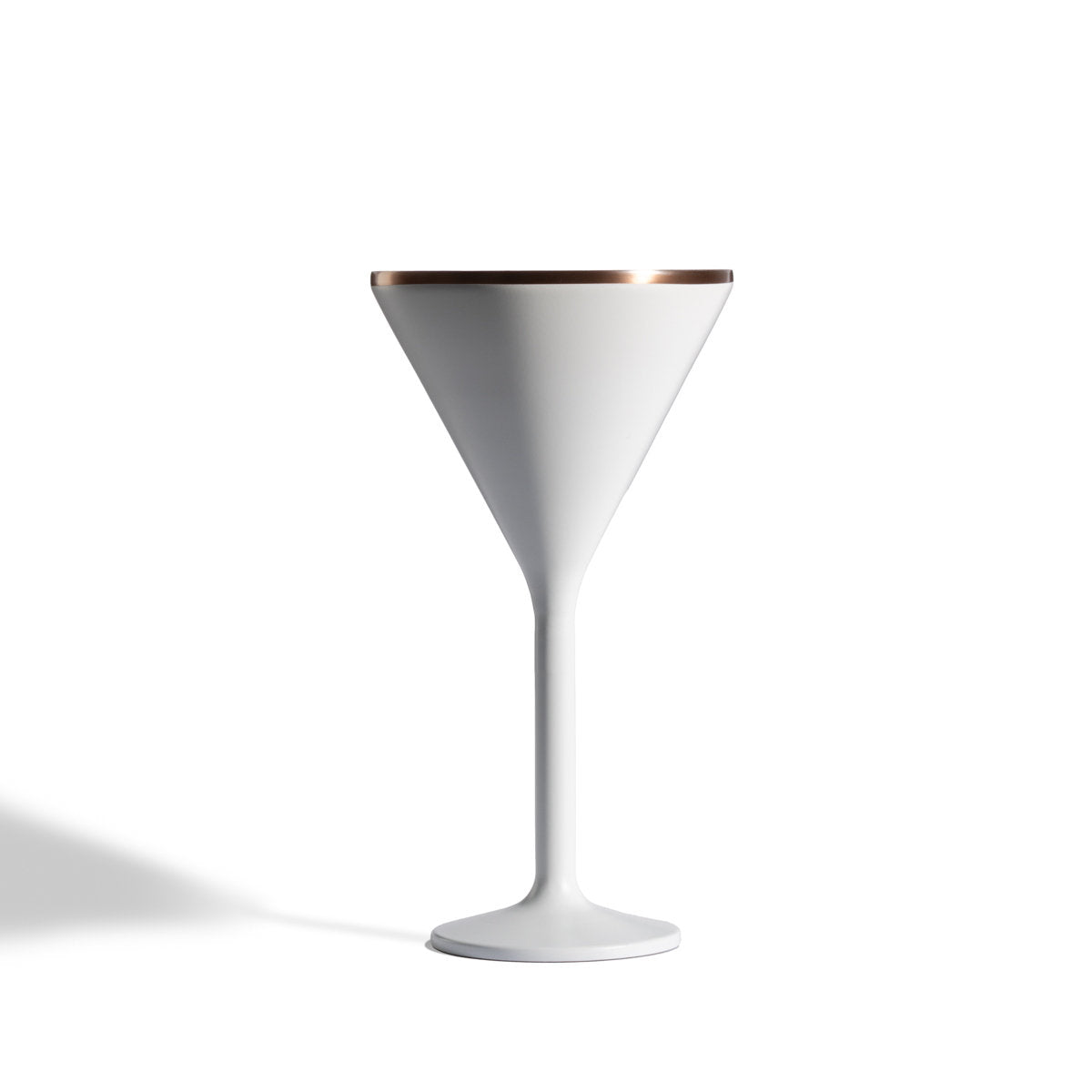
Martini Glass
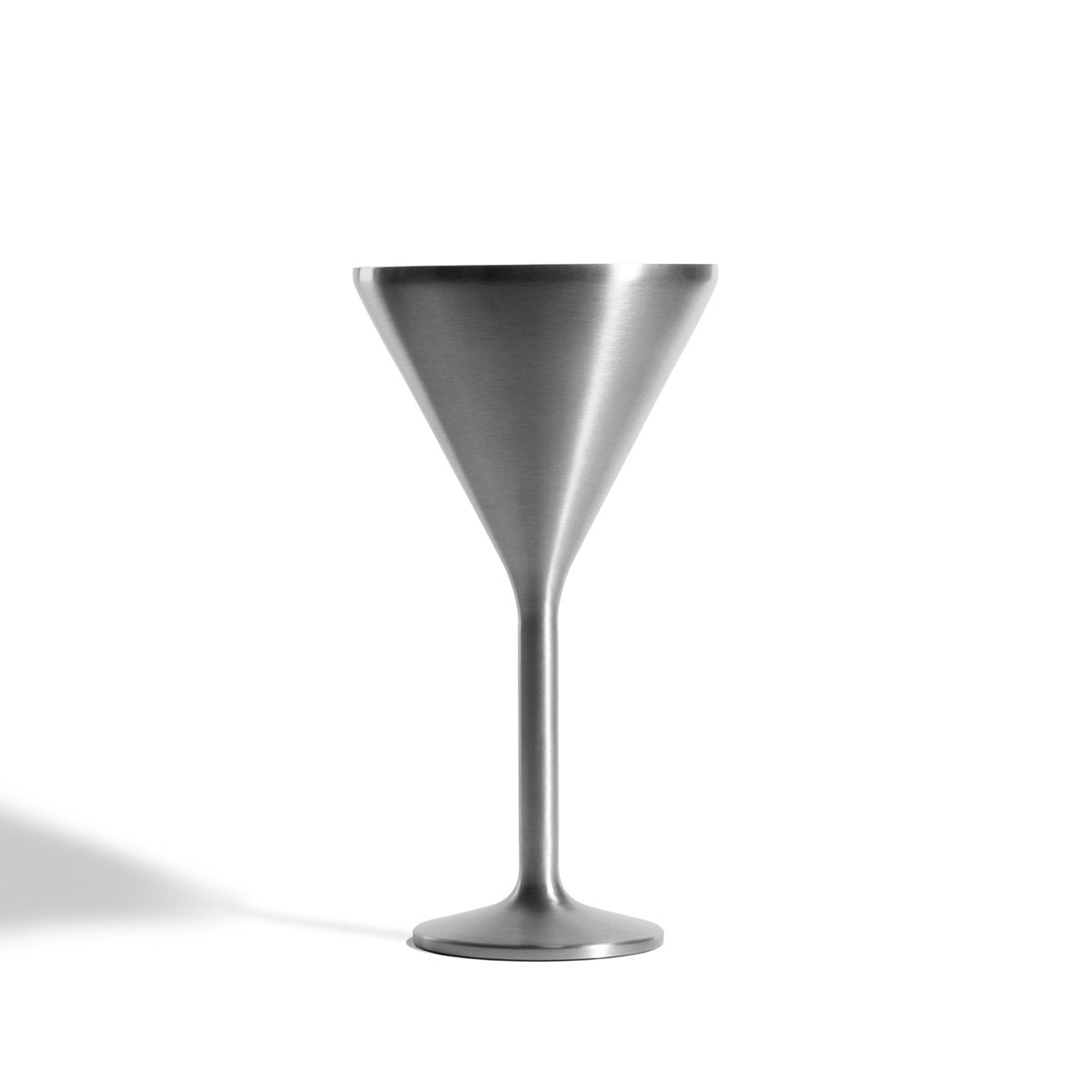
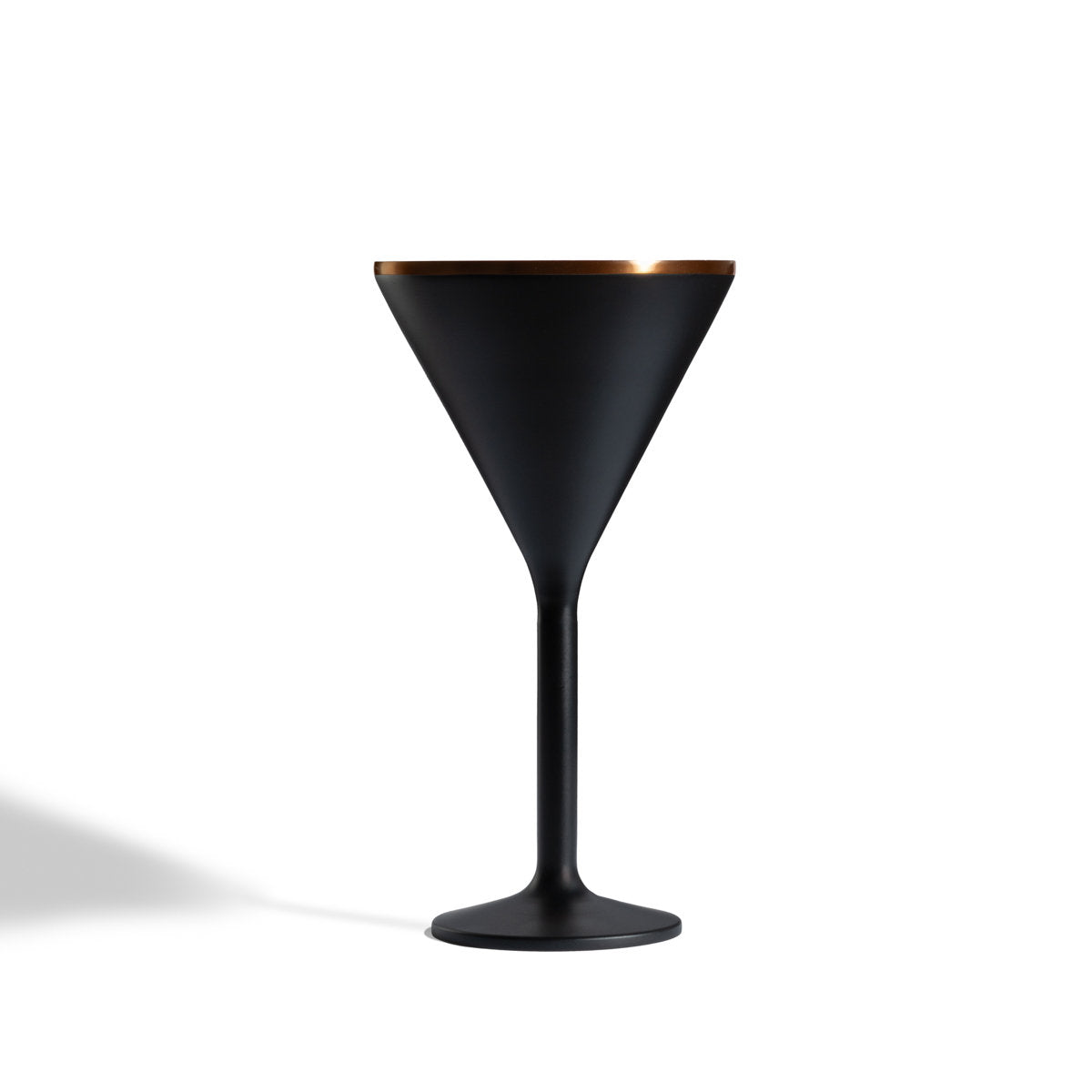
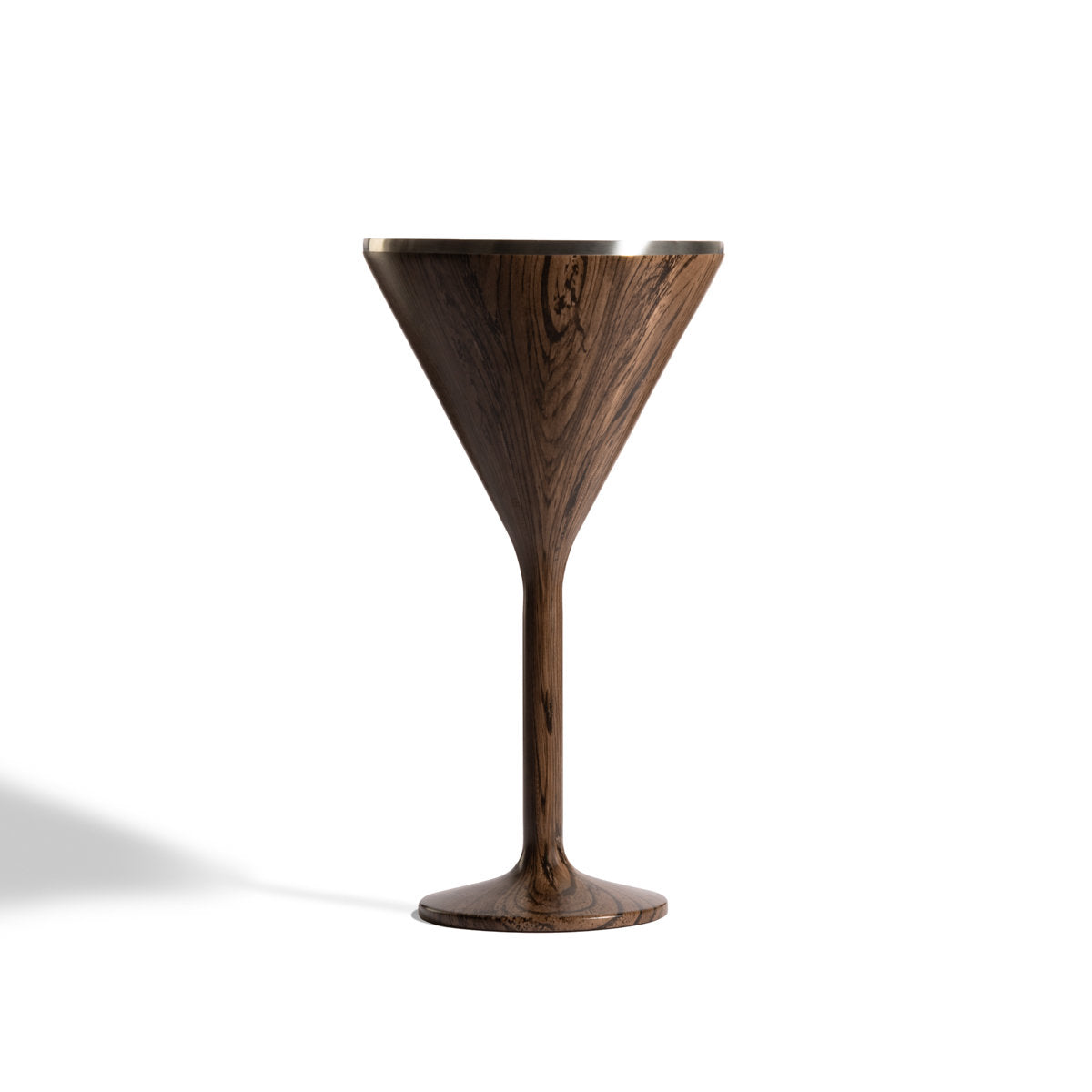
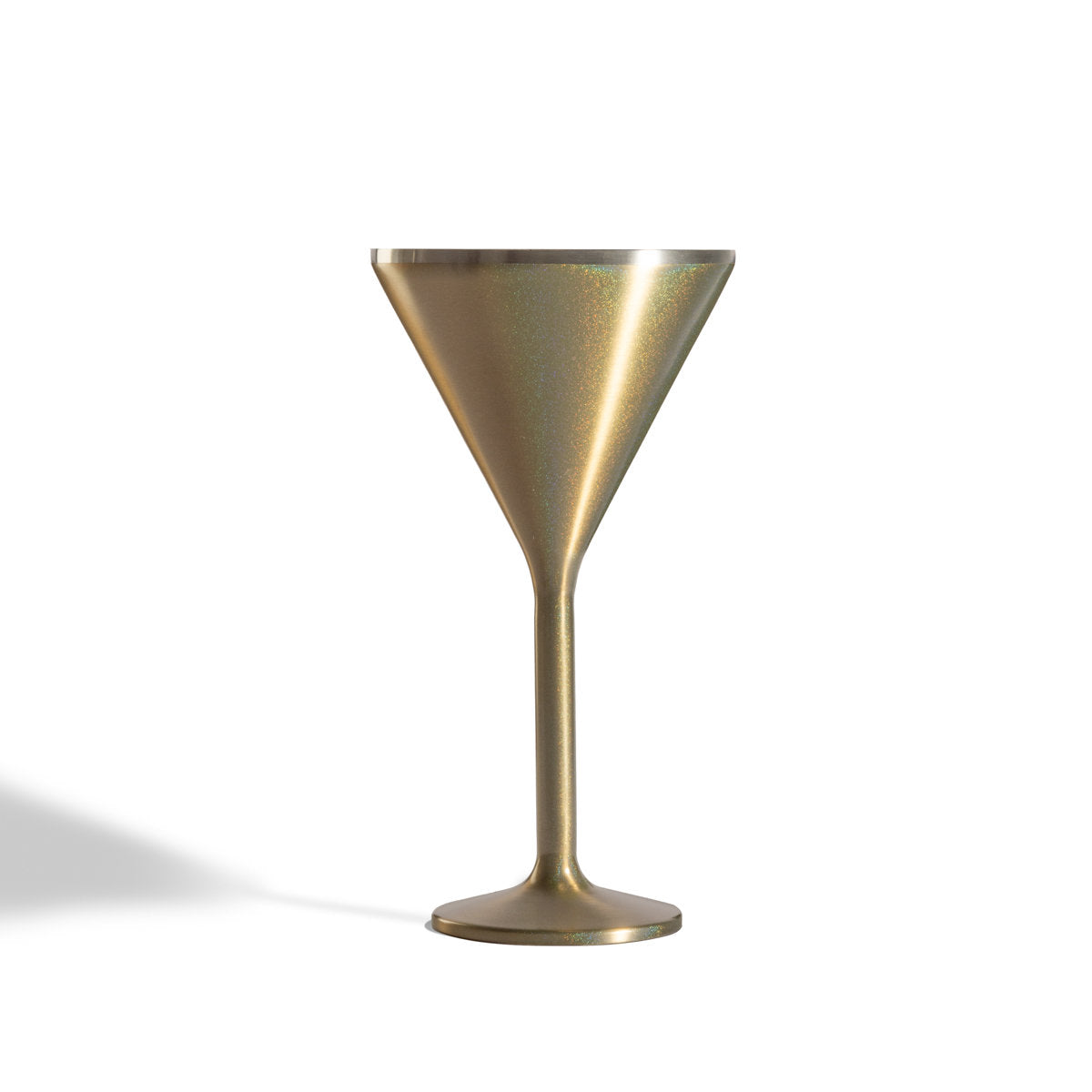
The iconic martini glass, used in nearly every fancy bar scene on the movie screen, became an essential in beverage serving after its introduction at the Paris Exhibition in 1925. The design stands out, but it’s practical too — the V-shape creates a wide brim that brings out the liquor’s aroma. Its sloped sides keep the drink’s ingredients from separating and leave a surface for skewers and toothpicks to settle. Heat transfer is minimized through the long stem.
These glasses, available in 3-10 oz. (standard) and 6-12 oz. (oversized) are best used for martinis, Manhattans, and other “up” cocktails. Chill the glass before serving to maintain the drink's temperature.
Rocks Glass (Old Fashioned Glass)
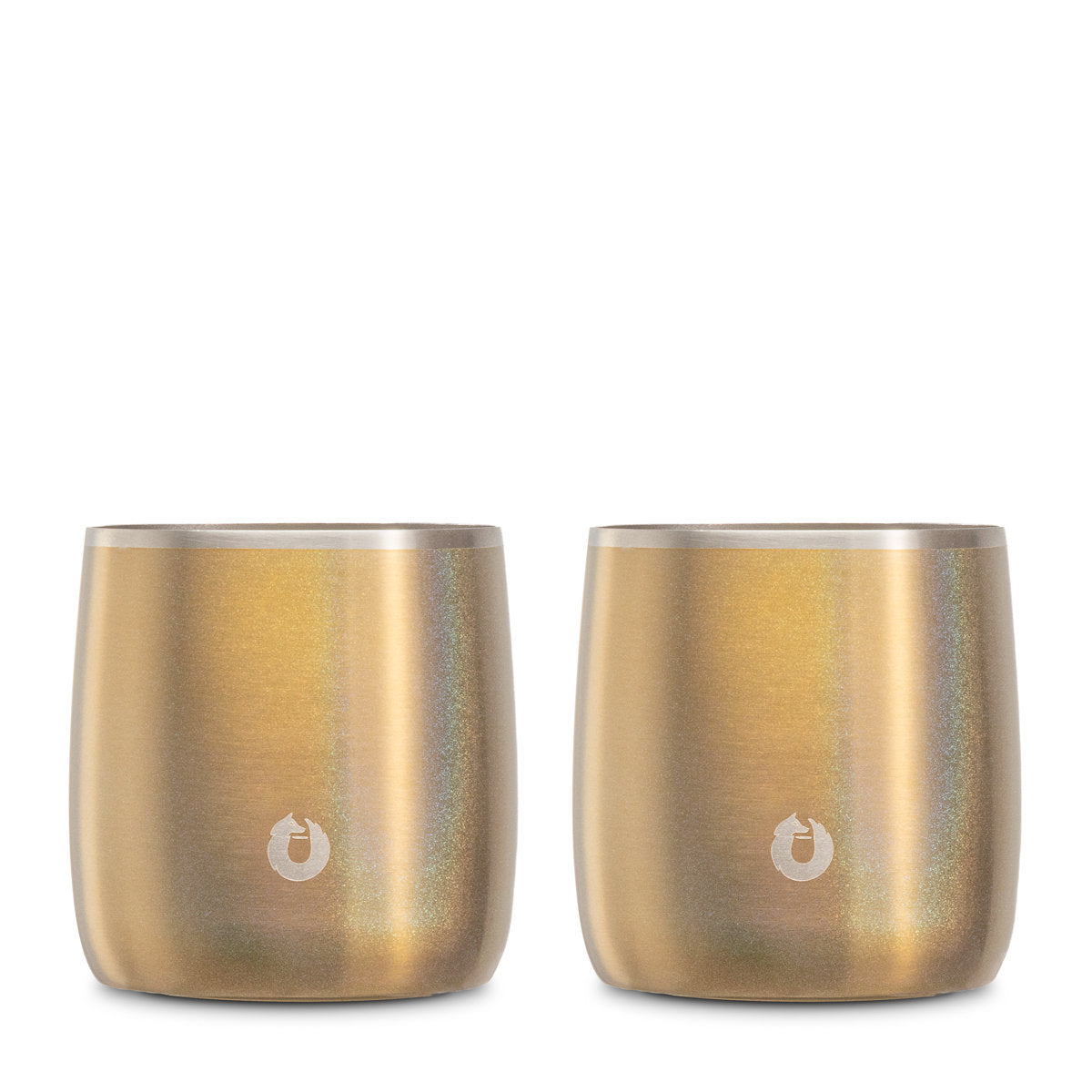
When someone orders a drink “on the rocks,” they’re picturing this glass. Sturdy, short, and wide, it’s built to hold ice first and liquor second. No shaker, no fuss, just a straightforward pour. Whiskey and bourbon feel right at home here, but cocktails like the Old Fashioned or Negroni also belong. Whiskey rock glasses usually come in two sizes: a single at 6–8 ounces or a double at 10–14. The larger size gives space for extra ice or a stronger pour, while the smaller works for simple serves. Either way, they’re a must-have in any cabinet. Save them for spirits served neat or over ice, and you’ll never disappoint a guest.
Highball Glass
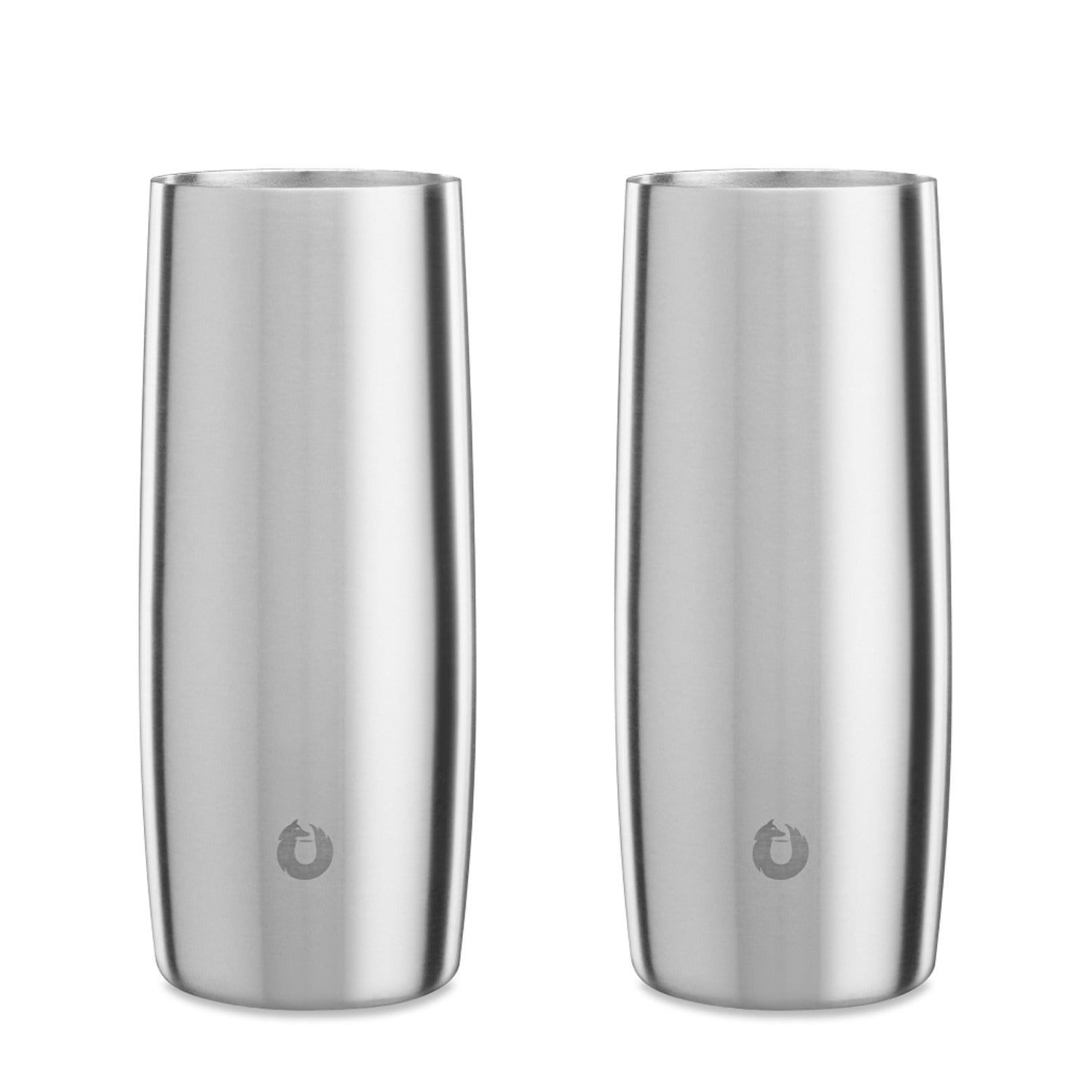
Cocktail highball glasses, also known as hi-balls, are ideal for tall drinks up to 10 oz. They’re often mistaken for Collins glasses (which we’ll describe shortly), but they have distinct differences. When making a tall mixed drink, this glass works well because you can add ice and then build the beverage over it. Tall glasses, such as the highball, are perfect for drinks that need to stay cold but won’t be diluted by ice. Rum and cola, gin and tonic, and other mixed drinks are built in highball glasses. Use these glasses for cocktails that require a generous amount of mixer.
Collins Glass
Similar to a highball but taller and narrower, the Collins glass is the default way to serve your Collins drinks (Tom and John). The main difference between the Collins and the Highball is that the Collins is taller and narrower, and can hold up to 16 oz. of liquid, versus the 10oz. found in the Highball. Of course, the Collins glass is best suited for tall cocktails, such as the Tom Collins and John Collins.
Coupe Glass
One of the lesser-known drink glasses, the coupe was designed in the 17th century to serve champagne. The coupe’s shallow, rounded bowl has found new life with “up” cocktails, where drinks are served without ice. It’s excellent for sidecars, daiquiris, or anything finished with a sugared rim. The wide bowl gives room for garnish, while the stem keeps hands from warming the drink too quickly.
Margarita Glass
Few glasses are as tied to one drink as the margarita glass. With its wide, shallow bowl and signature salted rim, it’s practically an icon. Traditionally stemmed, the glass is easy to hold and keeps the drink cool between sips. Sizes can vary widely, from petite 6-ounce versions to oversized 20-ounce bowls, often used for frozen margaritas.
The generous surface area makes room for salt or sugar, while the shallow shape keeps blended drinks easy to enjoy. But don’t think margaritas are the only option here. Daiquiris, piña coladas, and other blended cocktails also fit perfectly. Anytime the recipe calls for a rimmed edge or a frosty, blended texture, this glass is the best choice.
Wine Glasses (Red and White)
Red wine and white wine just don’t belong in the same glass. Red has more body, so it needs space. A bigger, rounder bowl gives it air, and the wine tastes smoother once it’s had a chance to open up.
White wine is a different story. It’s crisp and light, and you want to keep it that way. A smaller bowl helps hold the chill and keeps the freshness from fading too fast. Some white wine glasses even pinch in at the top so the delicate aromas don’t get lost. Take a look at the stems and you’ll see the difference too. Reds usually come taller with wide bowls that taper, while whites feel slimmer, sometimes shorter, and a little easier in the hand.
Shot Glass
Shot glasses are notoriously thicker than the typical cocktail glass. Holding about 1 -2 oz. of liquor capacity, these small heroes of the cocktail world are built to withstand the stereotypical “slam” of the glass after the drink is “shot” (downed) quickly. “Bartender, gimme a shot” is the line we see in movies, but in reality, a shot can be short and stout for straight liquor or shooters, or tall and thin for layered shots like tequila. You’ll want to use a shot glass for straight spirits, layered shots, shooters, and for measuring for other drinks.
If you’re keeping score, the basics break down like this: martinis belong in a V-shaped stem, whiskey goes in a solid rocks glass, tall mixers call for a highball or Collins, and delicate drinks look sharp in a coupe. Margaritas demand their signature wide bowl, wine needs its own shape depending on red or white, and shots... well, they’re sturdy little workhorses.
Common Mistakes With Cocktail Glasses
Even seasoned hosts slip up when it comes to glassware. The most common blunder is serving the right drink in the wrong glass, like pouring whiskey into a martini stem. Oversized margarita bowls are another problem; they look fun, but the ice melts too fast. Many people also assume red and white wine can share the same glass, which dulls the flavor of both. Forgetting to chill glasses for cocktails that need to stay icy is another easy miss. And don’t treat shot glasses as tiny tumblers; they’re built for strong pours and quick drinks, not mixed cocktails that need more space.

Advanced Tips for Professional Use
Whether you’re stocking your home bar or planning a party, preparation is key. As a professional, it’s even more important to make a good impression — you wouldn’t want to go with disposables or “cheap” materials. Choosing the right glasses is an investment you’ll use over and over.
From selecting the right materials to cleaning and maintenance, these are the tips that will turn your beverage recipes from “okay” to “amazing.”
Glass Selection
The right glass is a blend of stem length, bowl and rim size, depth, and sturdiness. Lightweight glasses are seen as more elegant and classy, while bulkier, heavier options work well for shots and other “on the rocks” style drinks. The proper glass enhances the entire drink presentation. It helps its flavor, aroma, and temperature truly come alive.
Chilling Glassware
A warm glass ruins a cold drink. Simple as that. Always chill the glass before you pour. The best serving temperature depends on what you’re making. Take martinis, for instance. They should be under 20 degrees when poured, shaken or stirred. The problem is how fast they warm — more than 20 degrees in just 15 minutes. That is where insulated cocktail glasses and shakers, like Snowfox offers, keep things cold from the first sip to the last.
Keep in mind that ice dilution ruins a drink. If you must add ice, use large cubes (or lots of them) and cold mixers. Not all glasses allow for optimal ice, and the condensation and sweat from hands make for a slippery drink (plus dropped glasses). Snowfox stainless steel glasses prevent temperature changes from melting ice and warm environments. However, if you’re using traditional glasses, always provide your guests with a napkin or coaster to prevent slips and damage to the table.
Proper Pouring Techniques
Pouring is about more than getting the liquid in the glass. To keep things neat and get your measurements just right, you'll want to use the proper pouring technique. (Keeping those 1-2 oz. shot glasses on hand is a helpful way to measure your liquor.) Regularly clean glassware to maintain clarity and prevent residue buildup. Check with the manufacturer’s instructions before cleaning your glasses in a dishwasher.
Recommended Glassware Brands and Sets
A good glass set should be versatile, comfortable to hold, and easy to deal with when the party’s over. Think about the little things too, like whether they stack, how they clean, or if condensation leaves rings on your table.
-
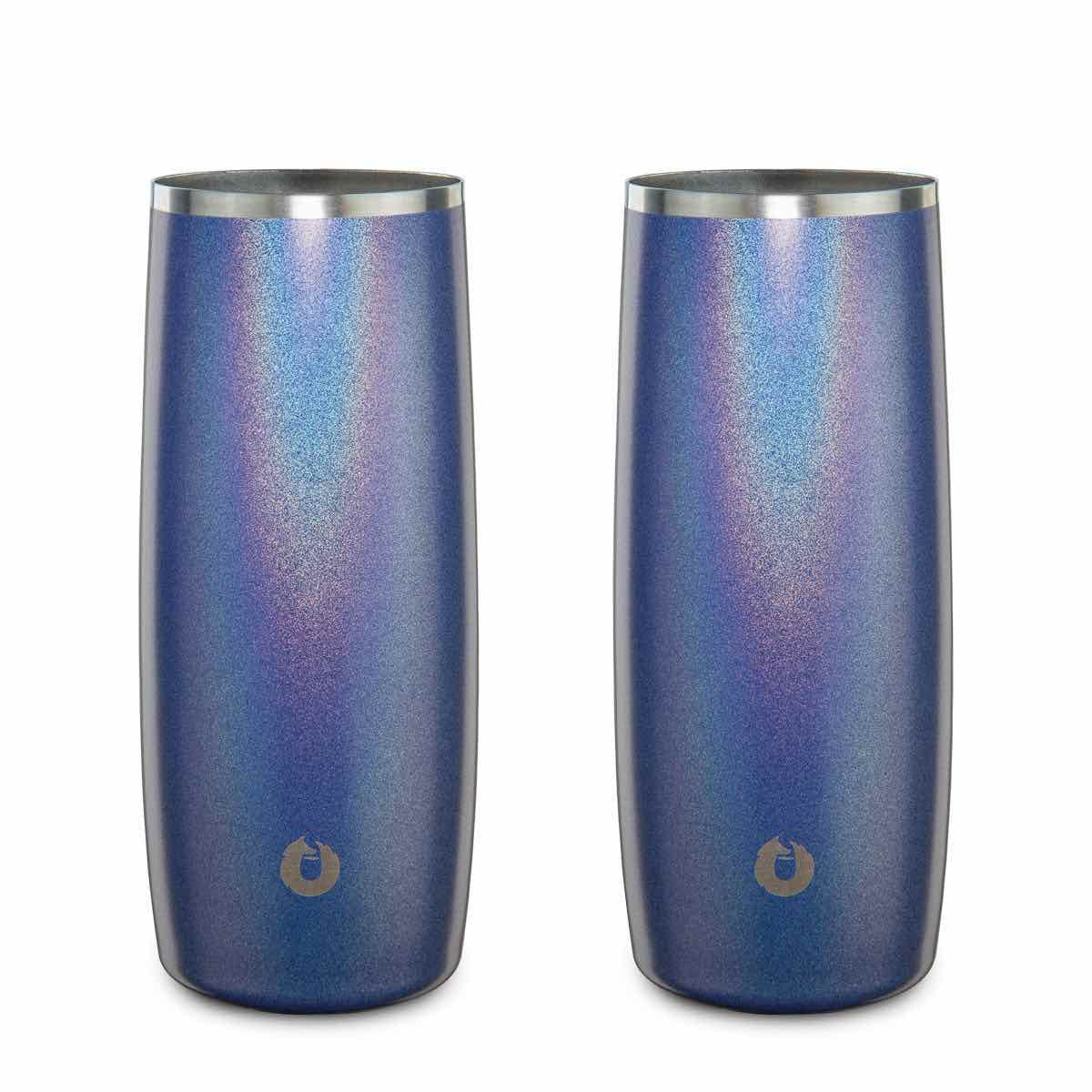
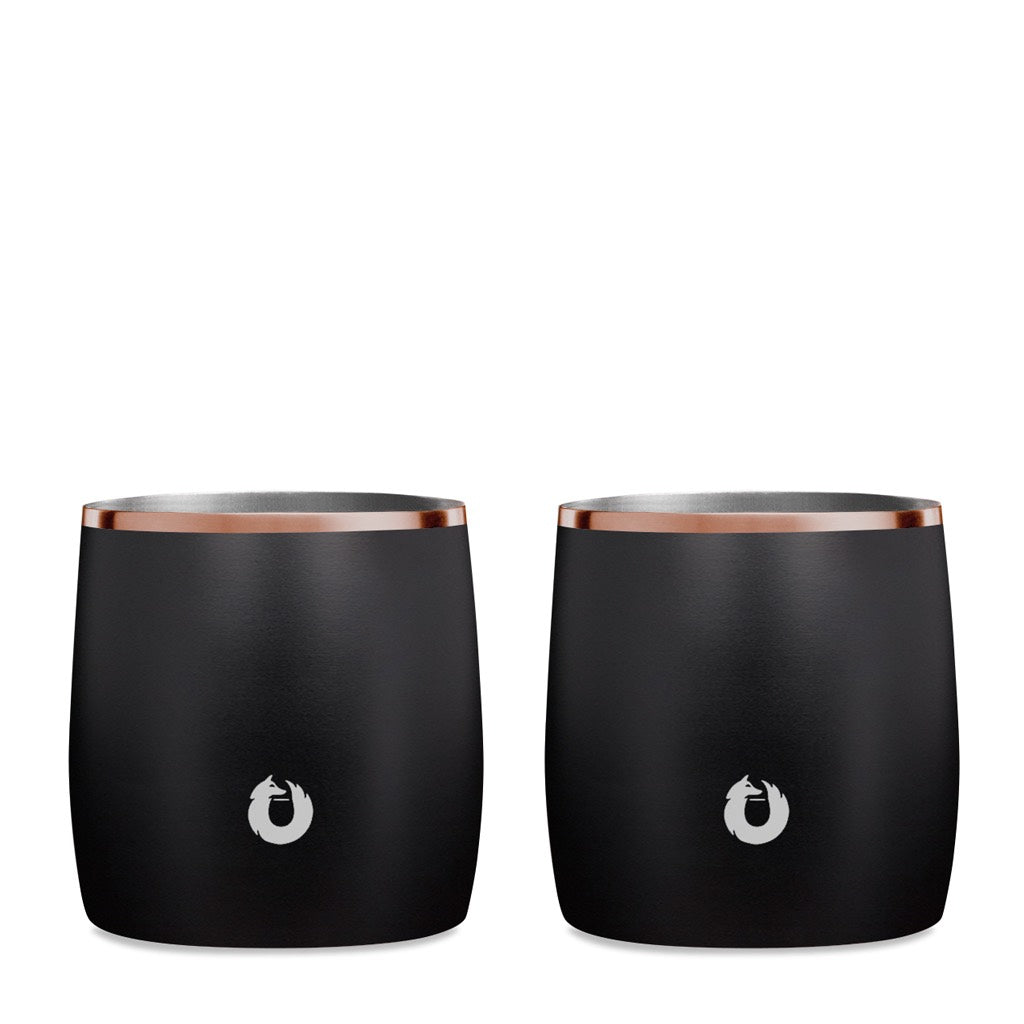
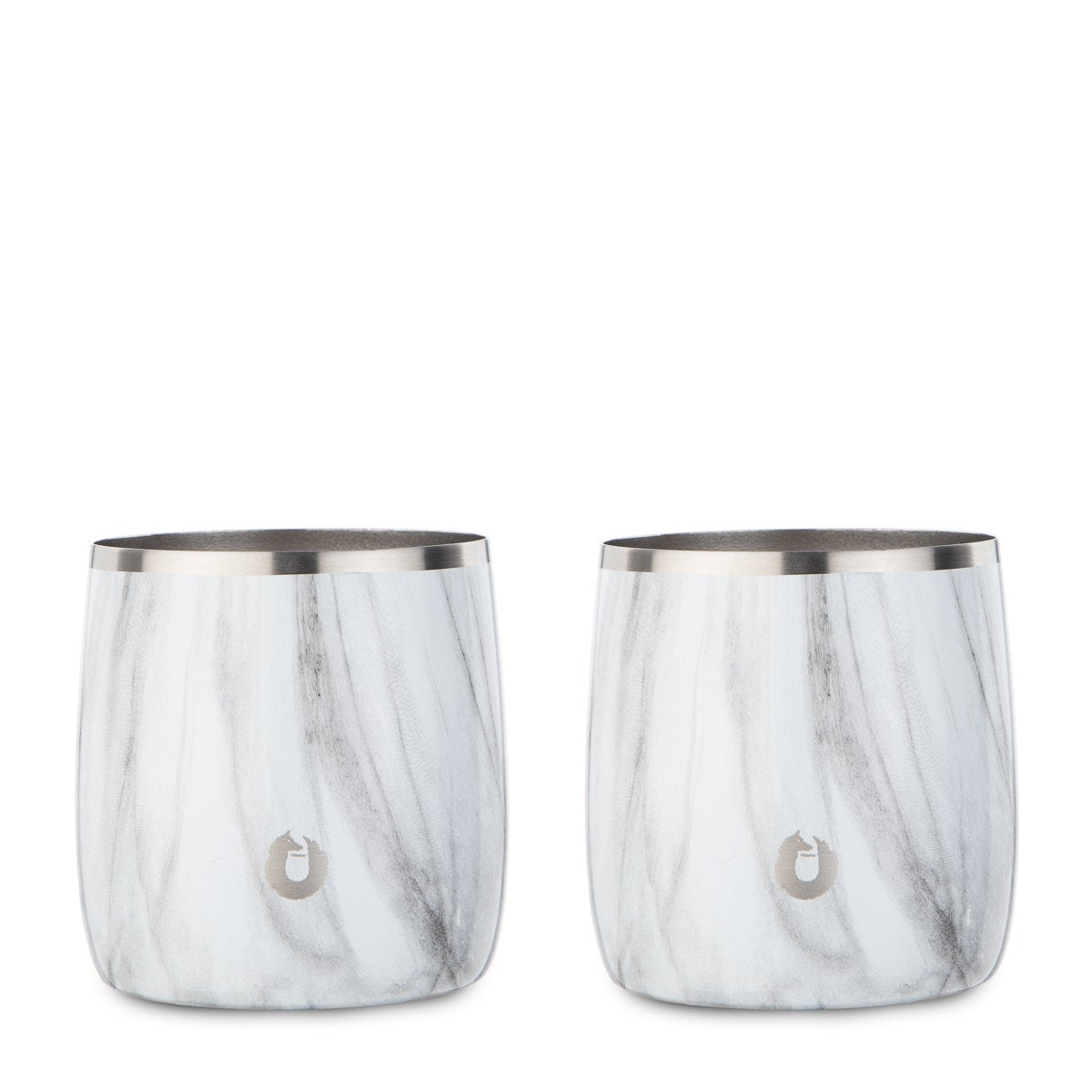
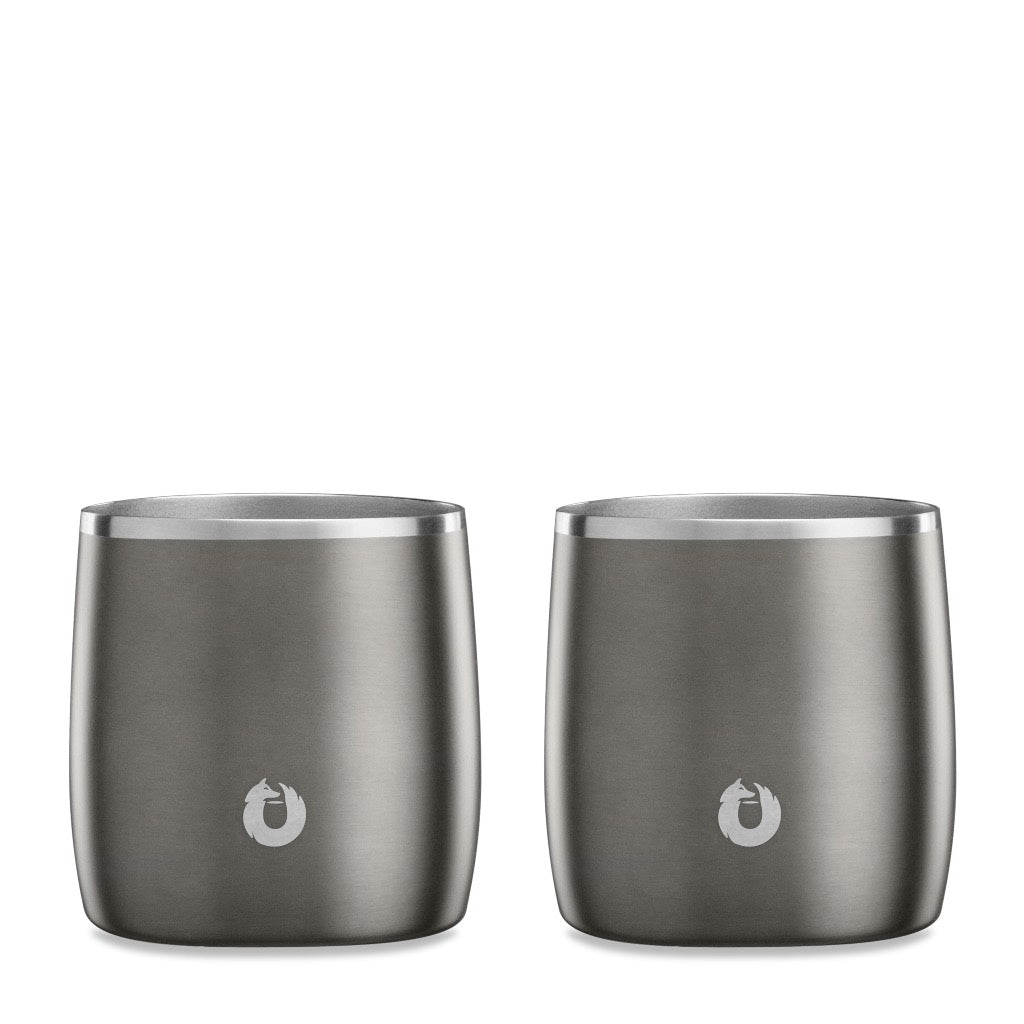
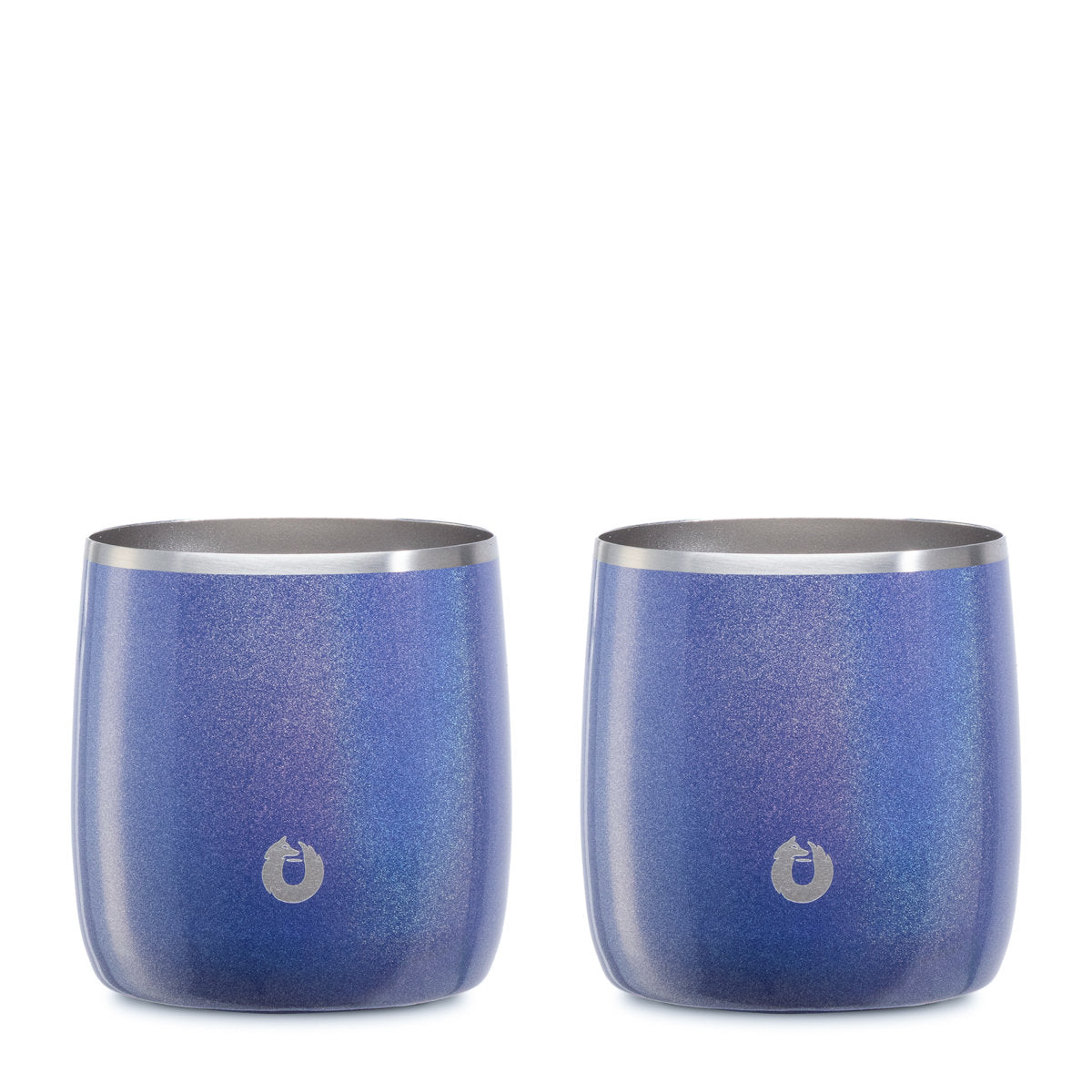
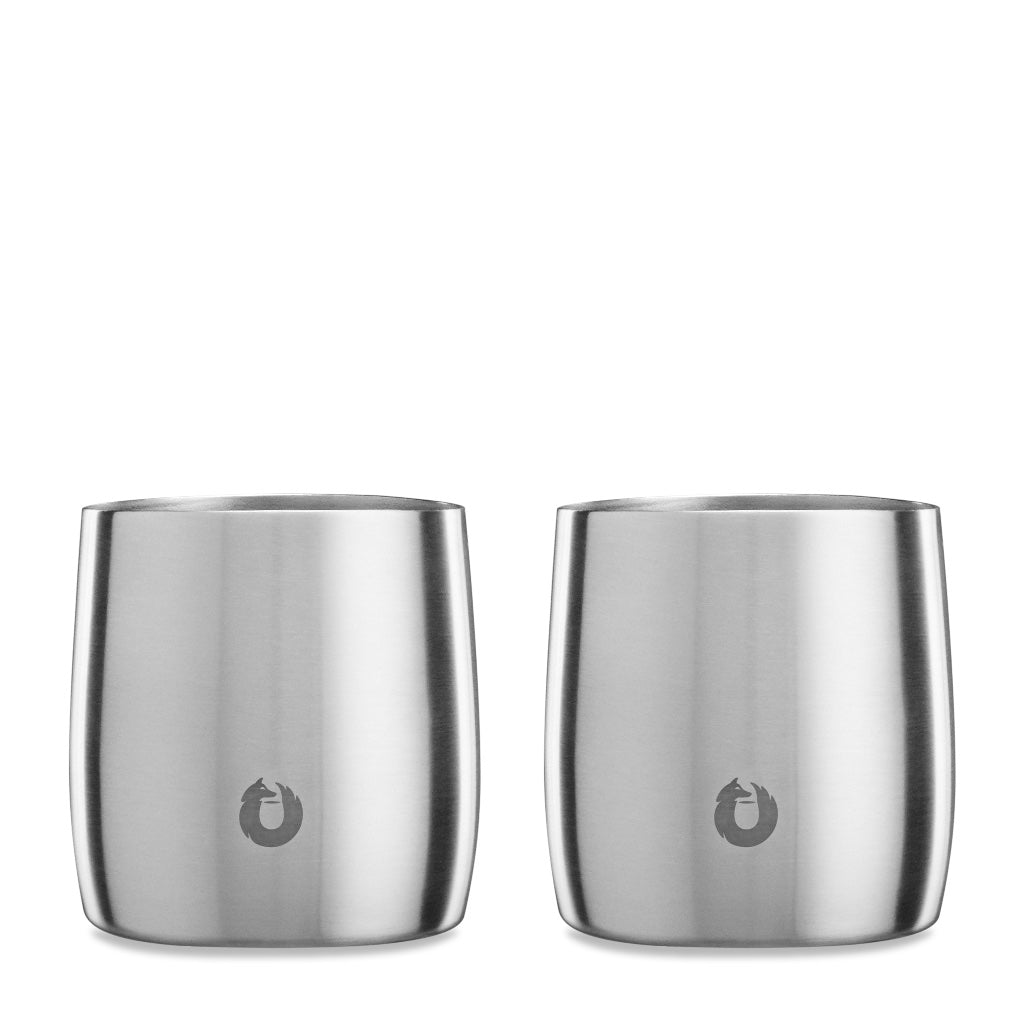
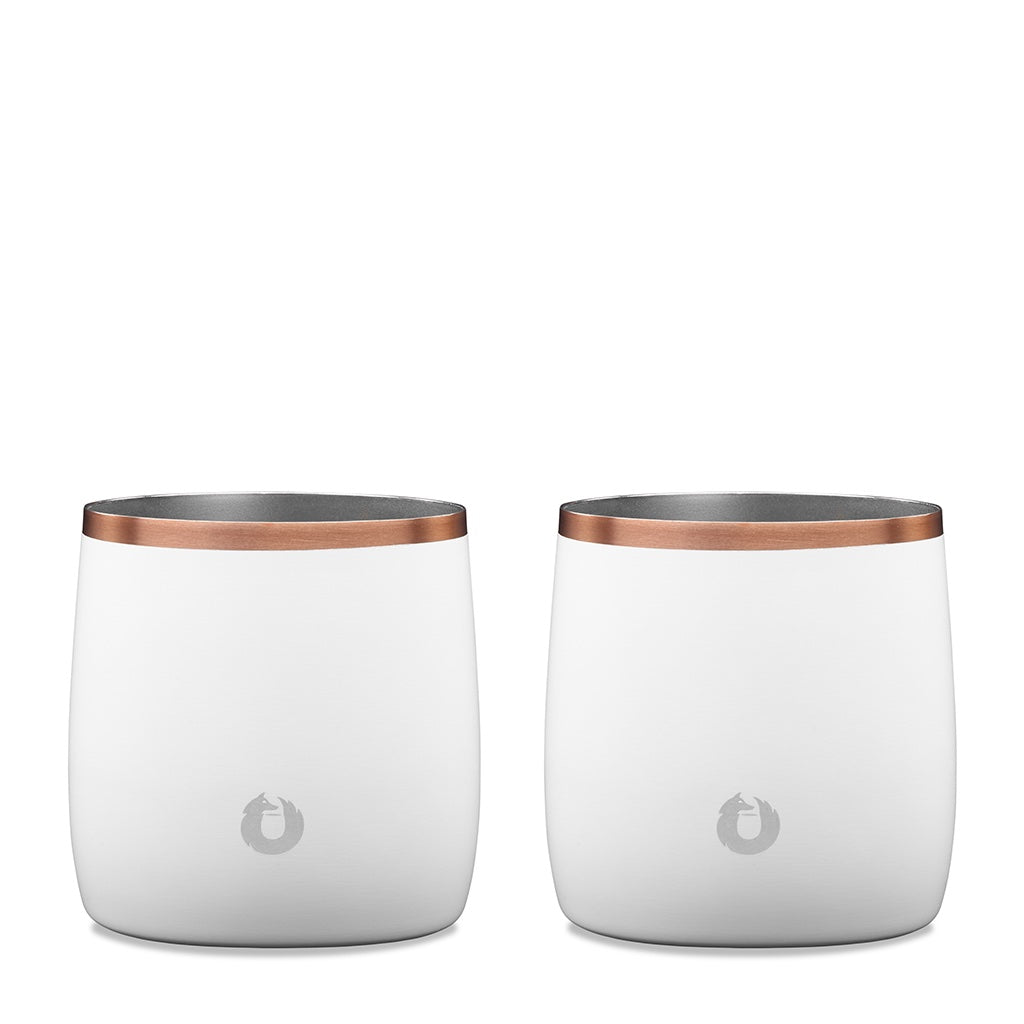
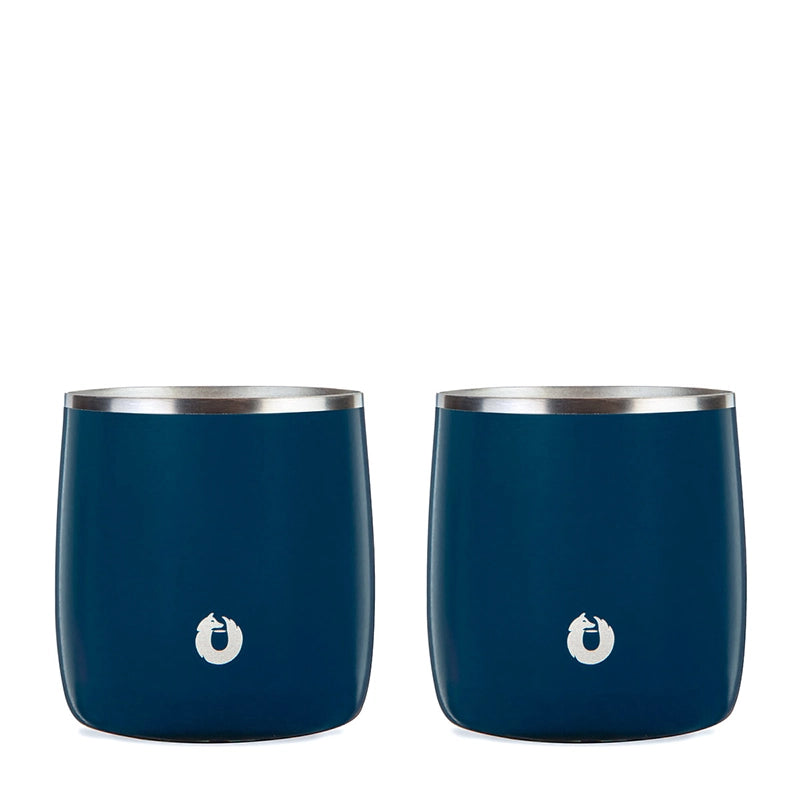
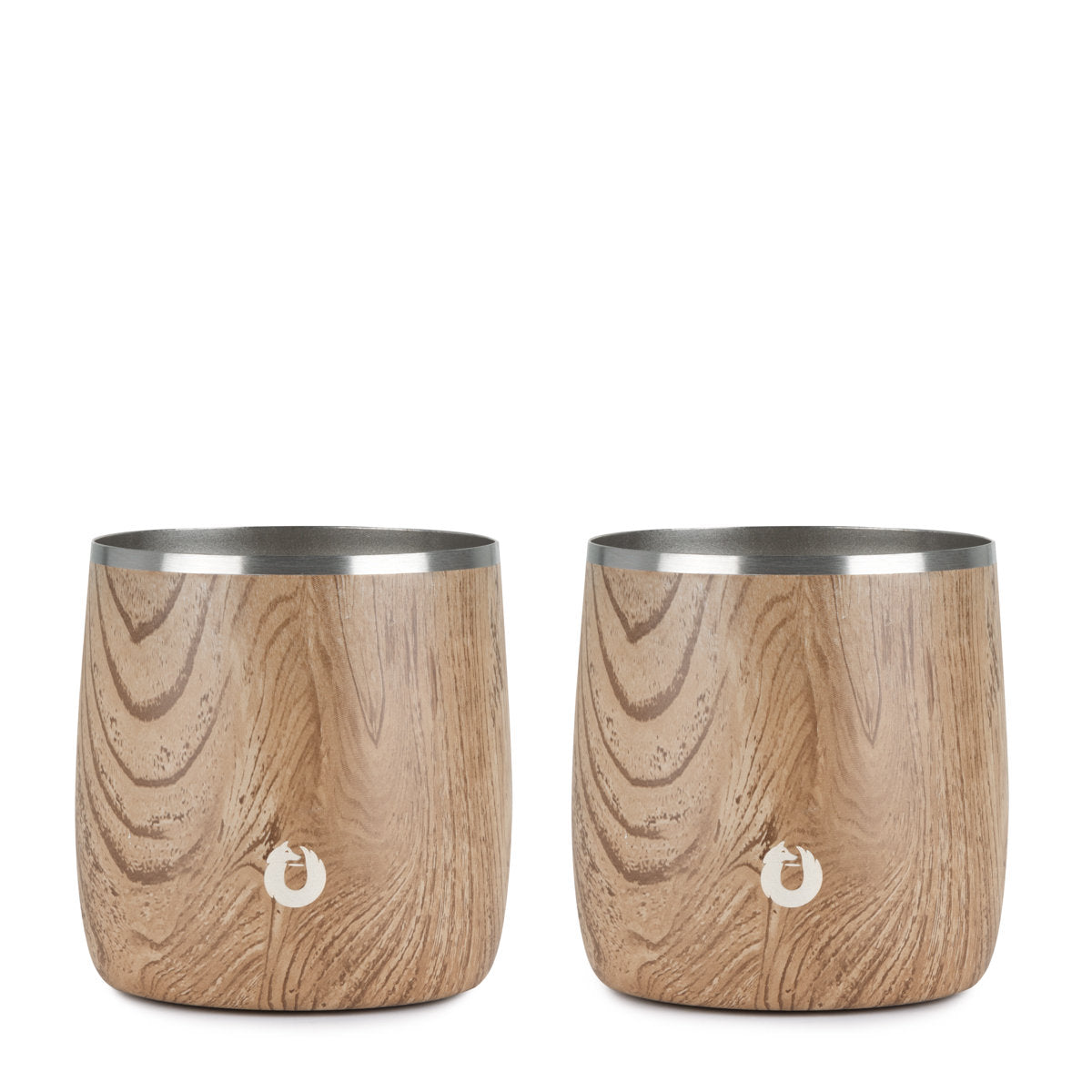
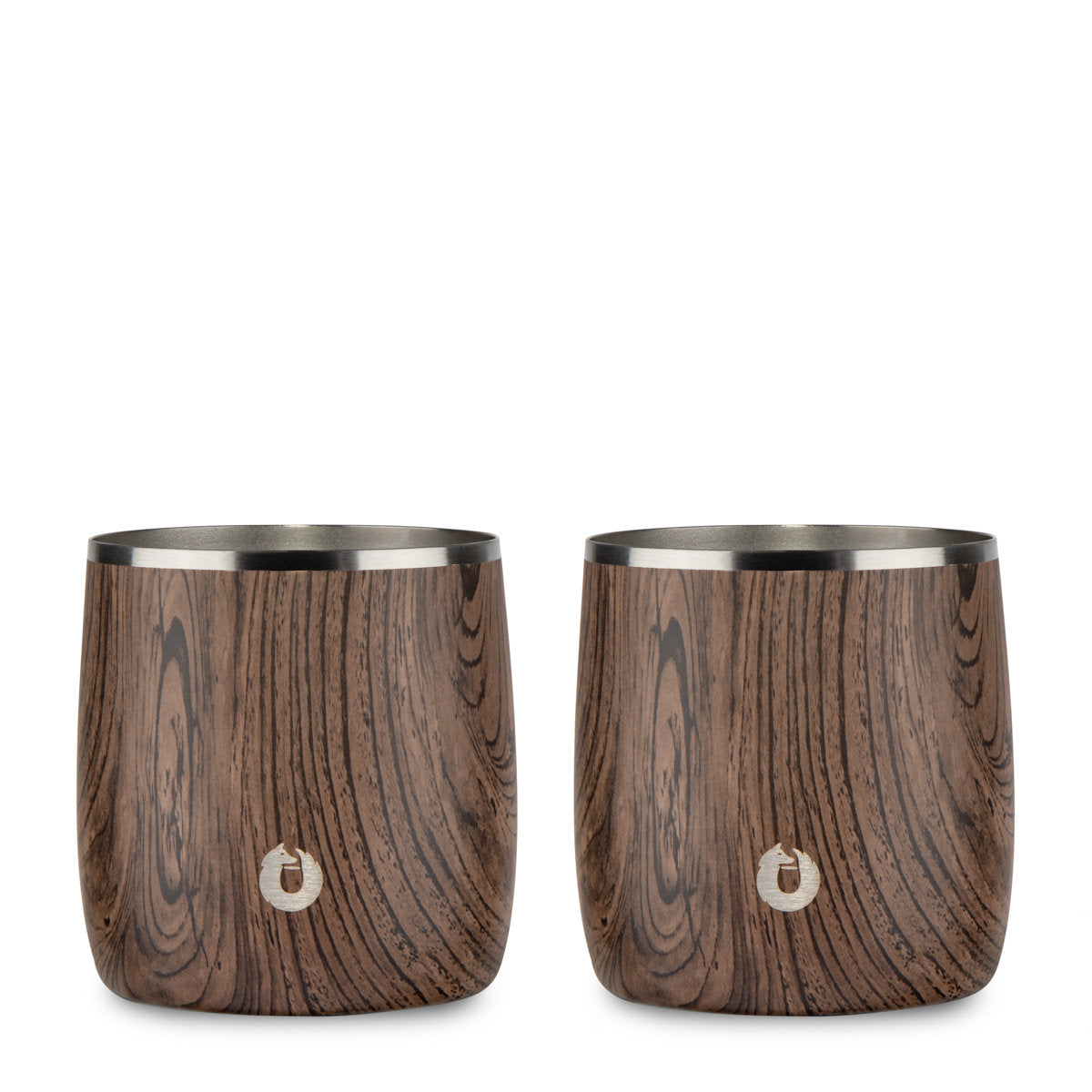
The Classics on a Budget: Starting out doesn’t mean settling for boring glassware. Snowfox’s Rocks Glass with Lid works well for everyday drinks and comes in colors like Stainless Steel, Shimmer Blue, and Shimmer Pink. If you’re more of a tall-drink person, the Highball Cocktail Glass Set is a solid go-to. Both sets are sturdy, easy to clean in the dishwasher, and keep drinks cold long enough to get you through an evening with friends.
-
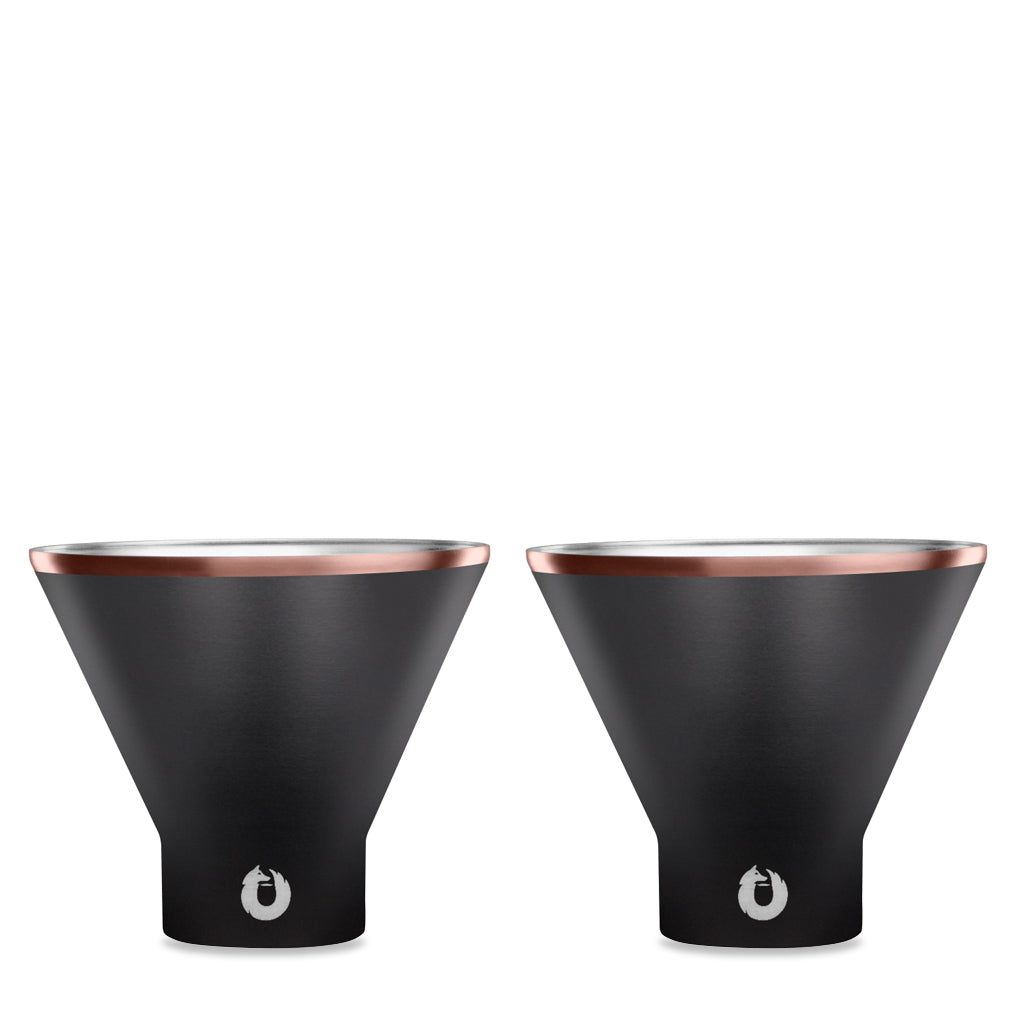
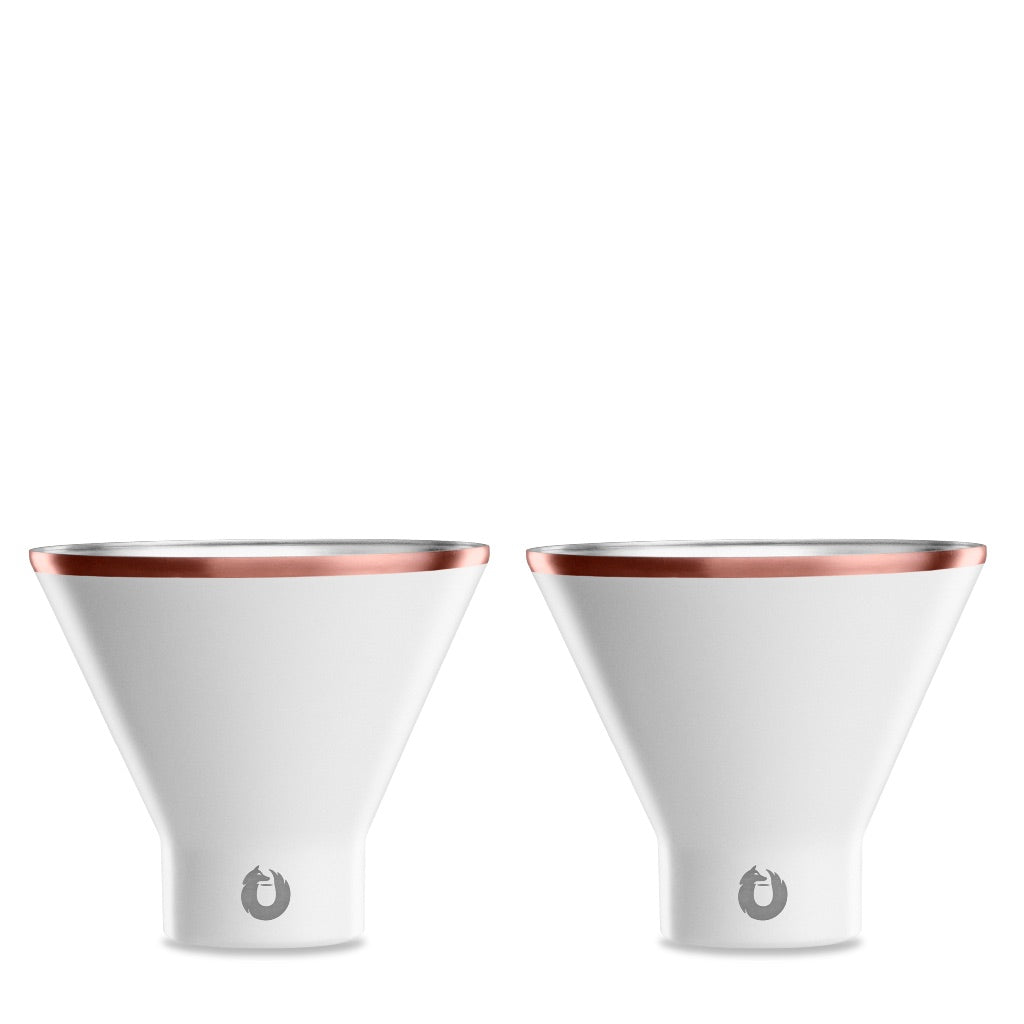
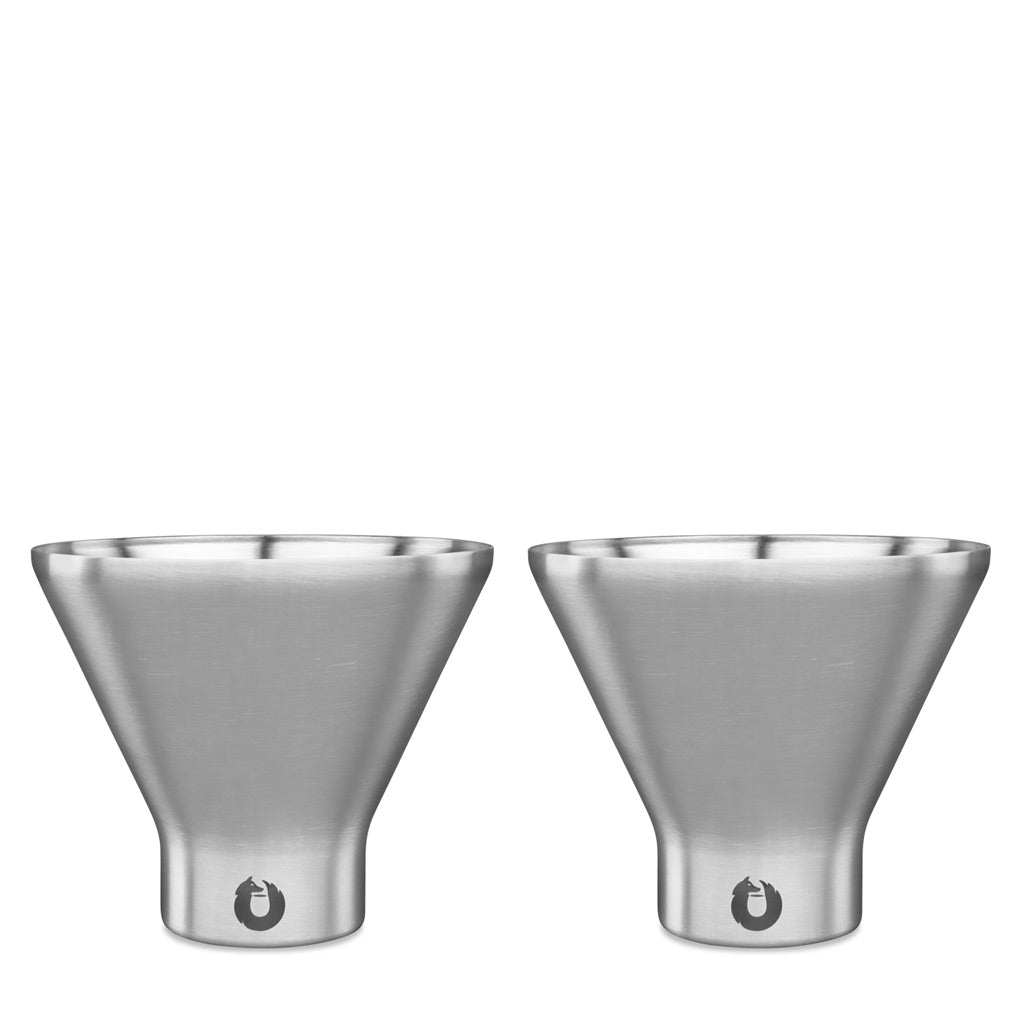
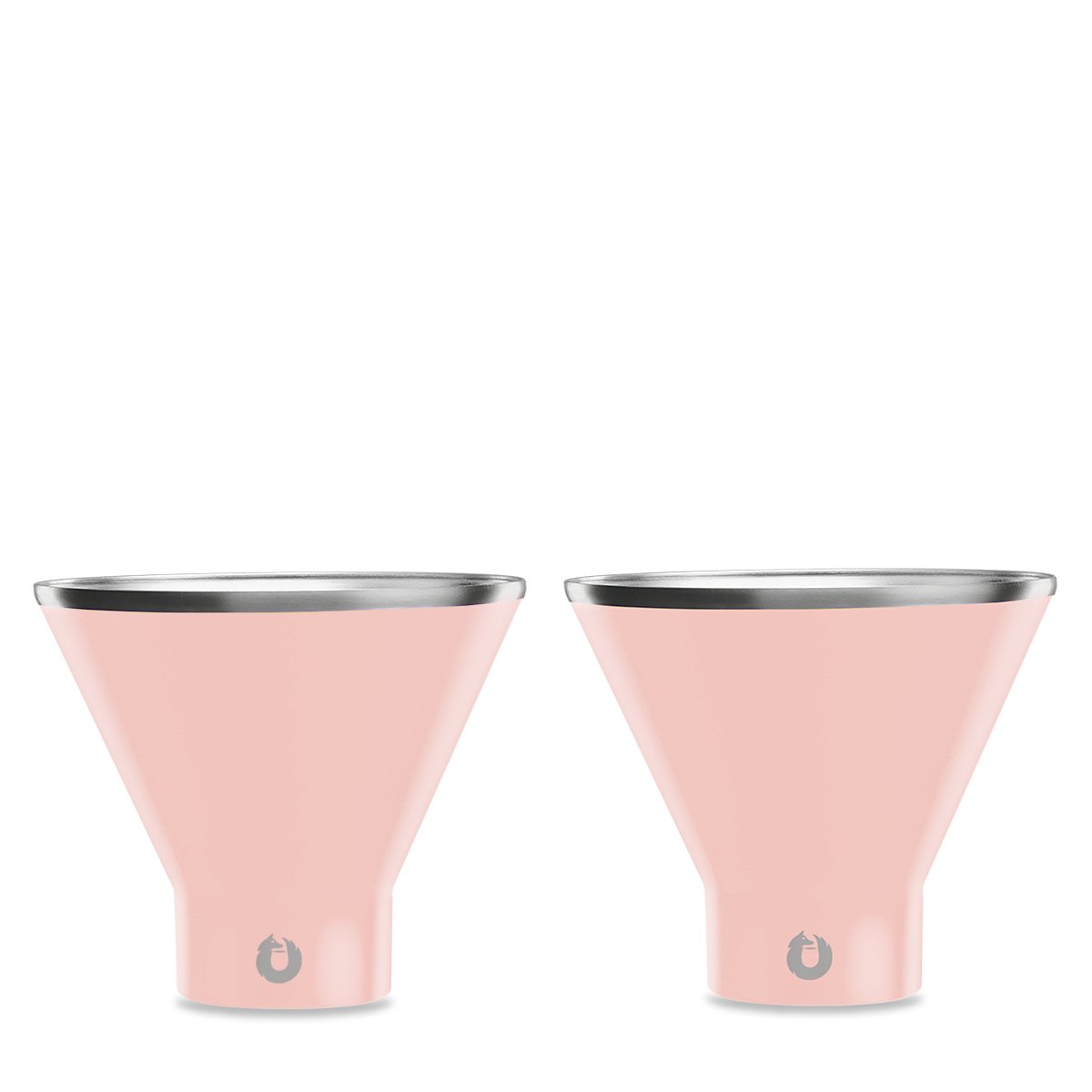
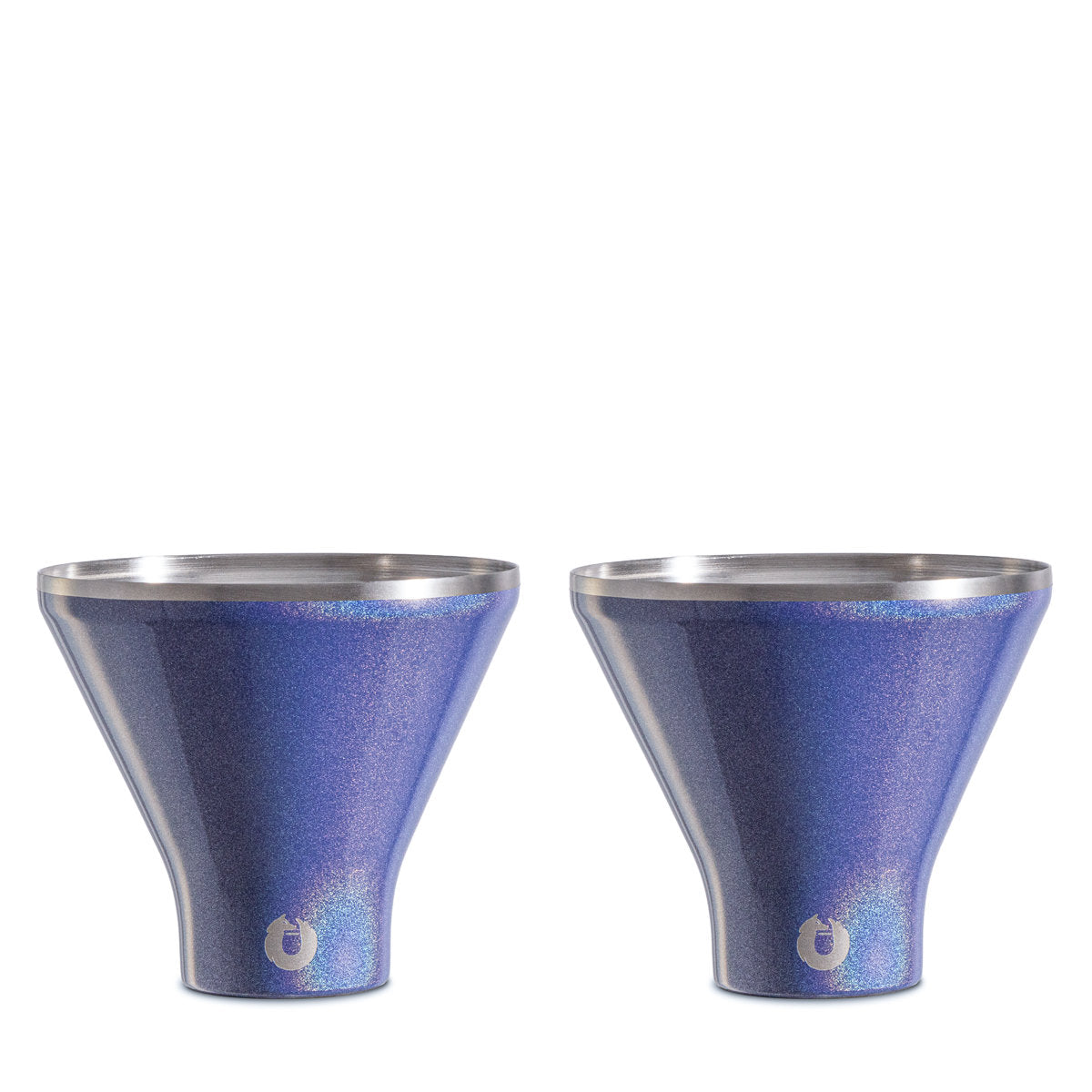
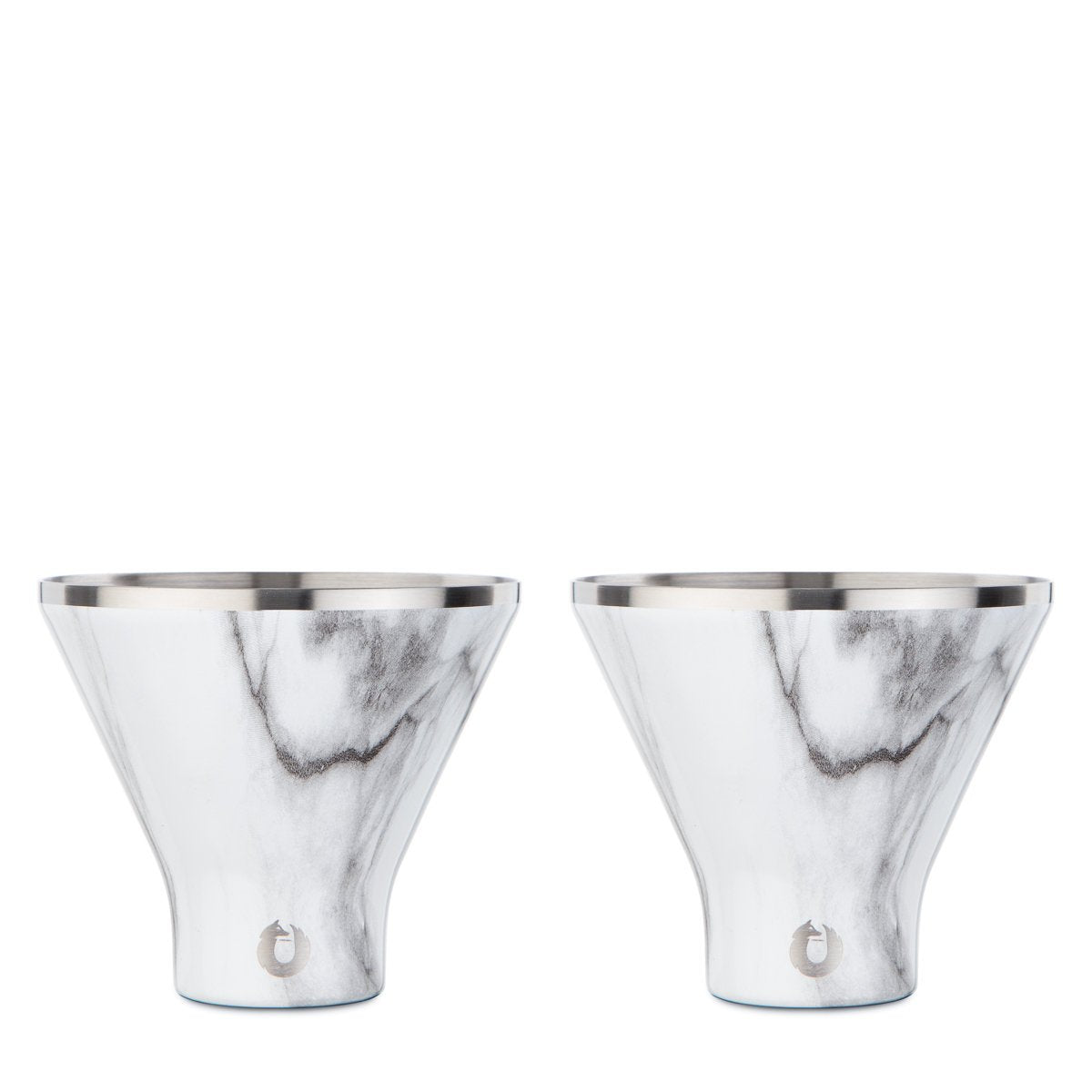
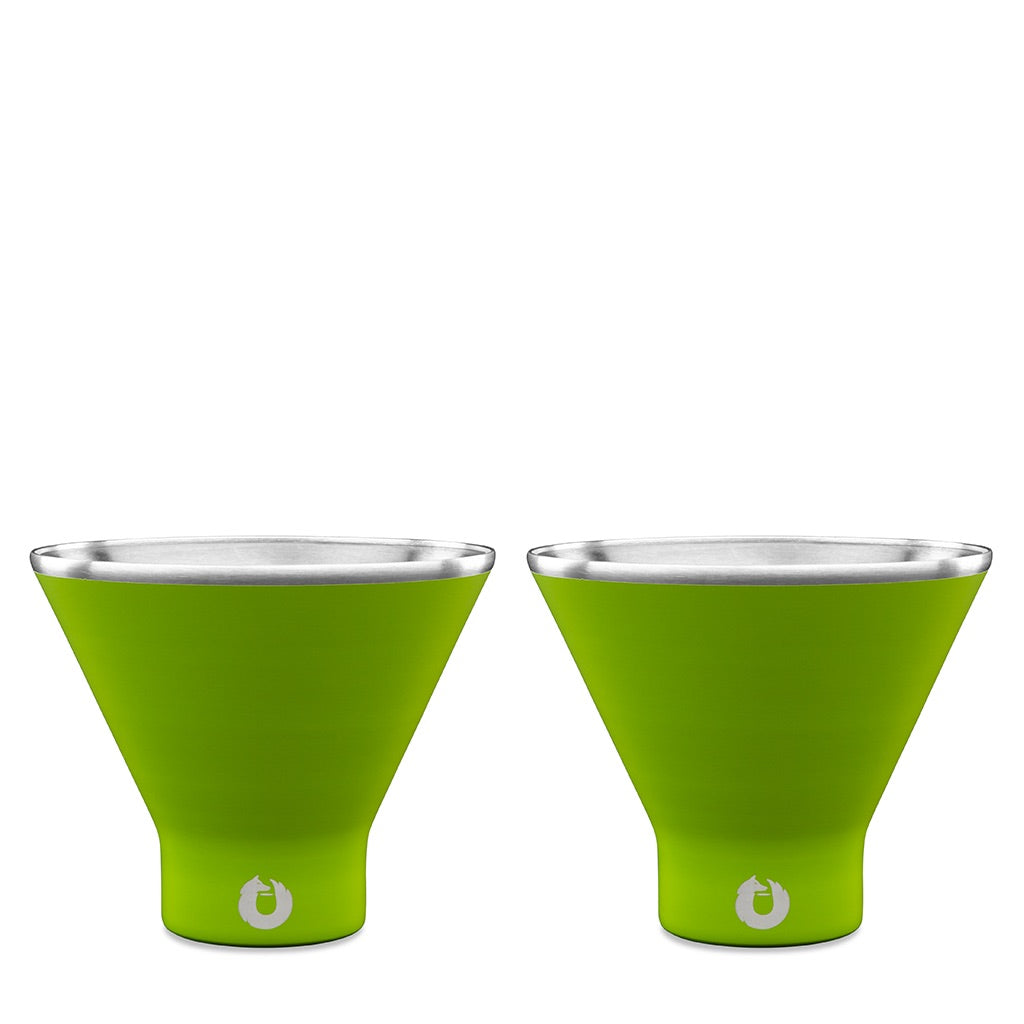
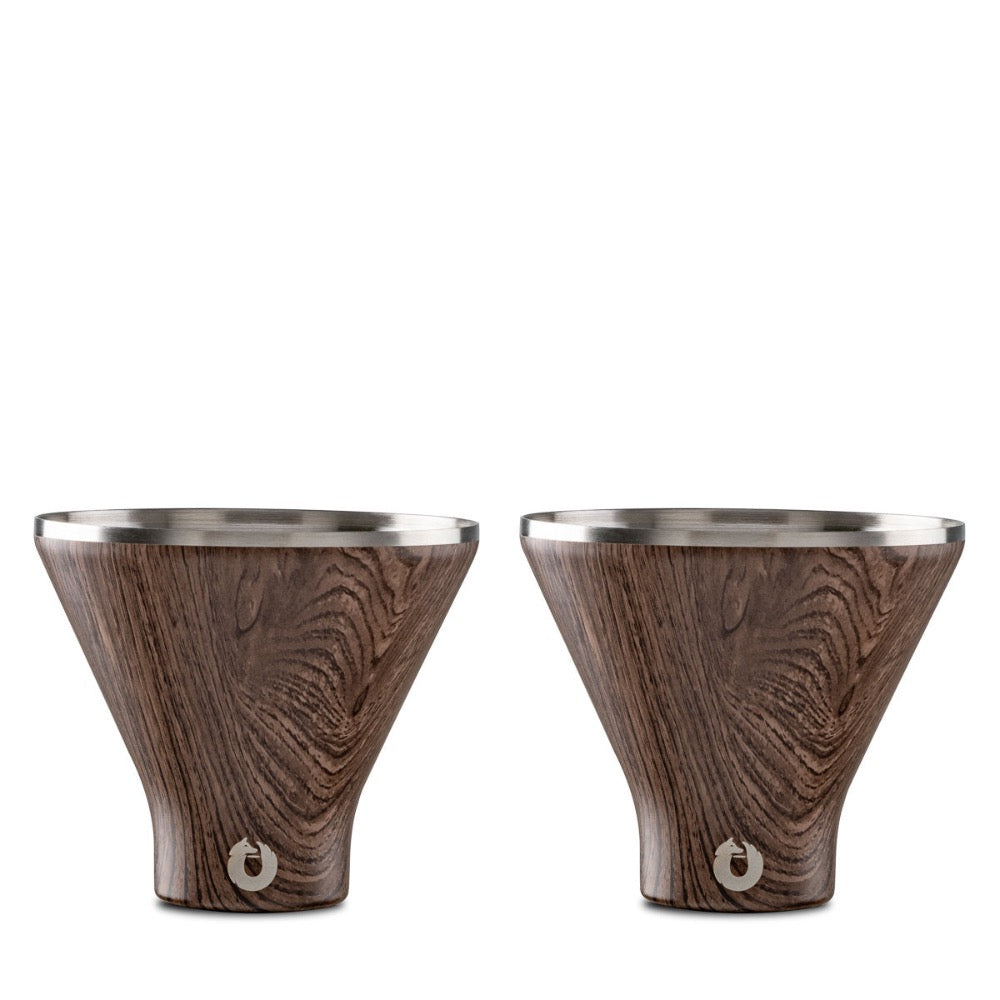
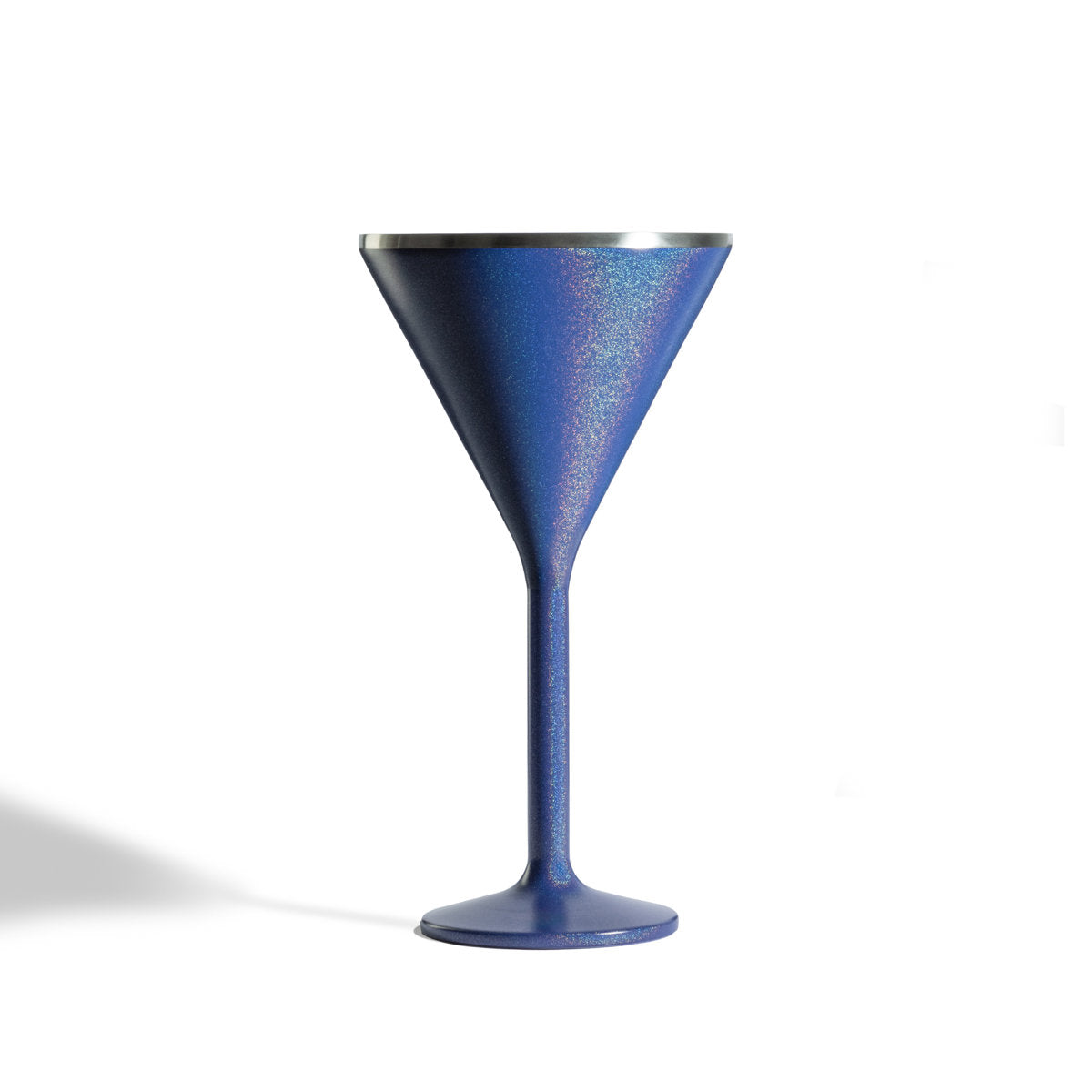
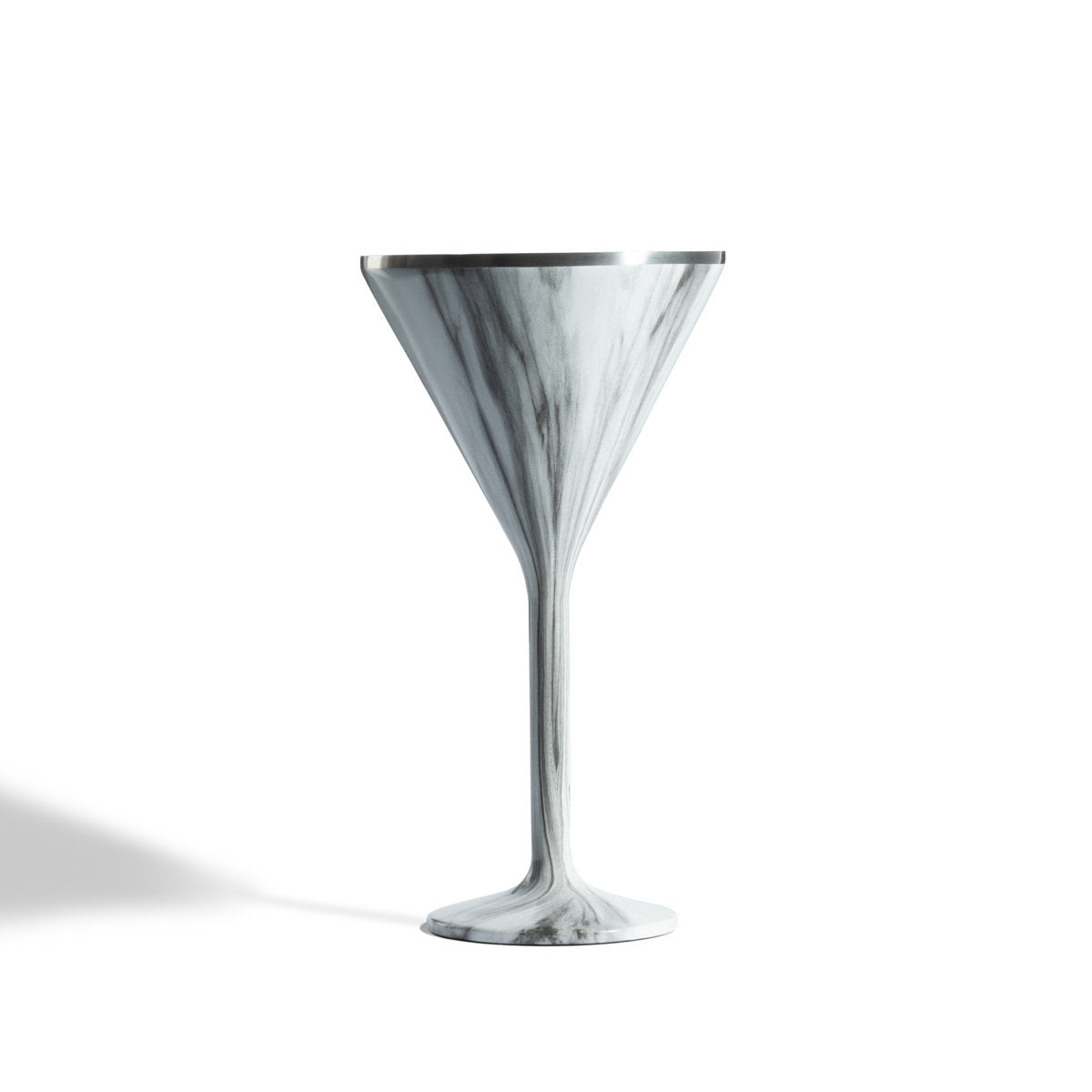
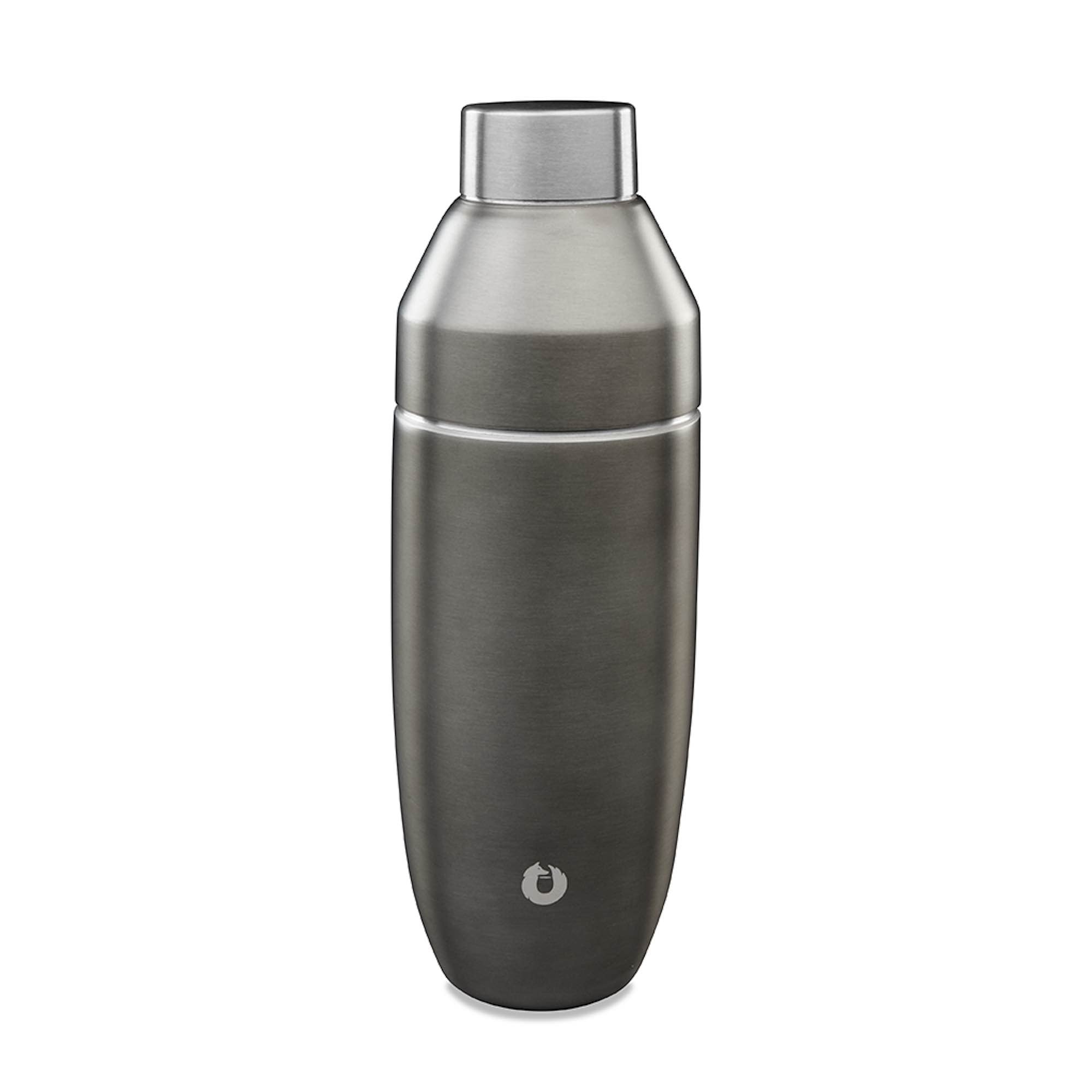
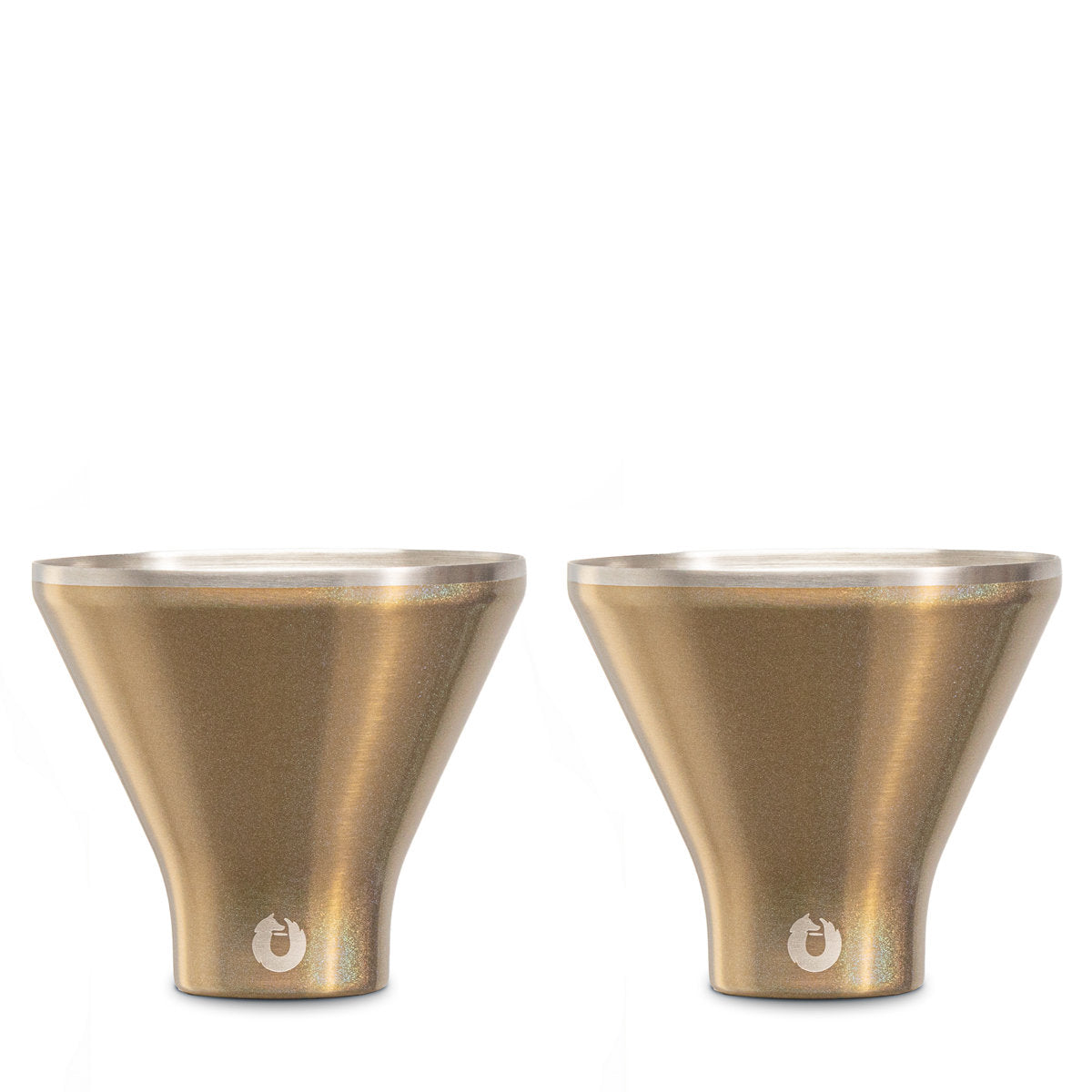
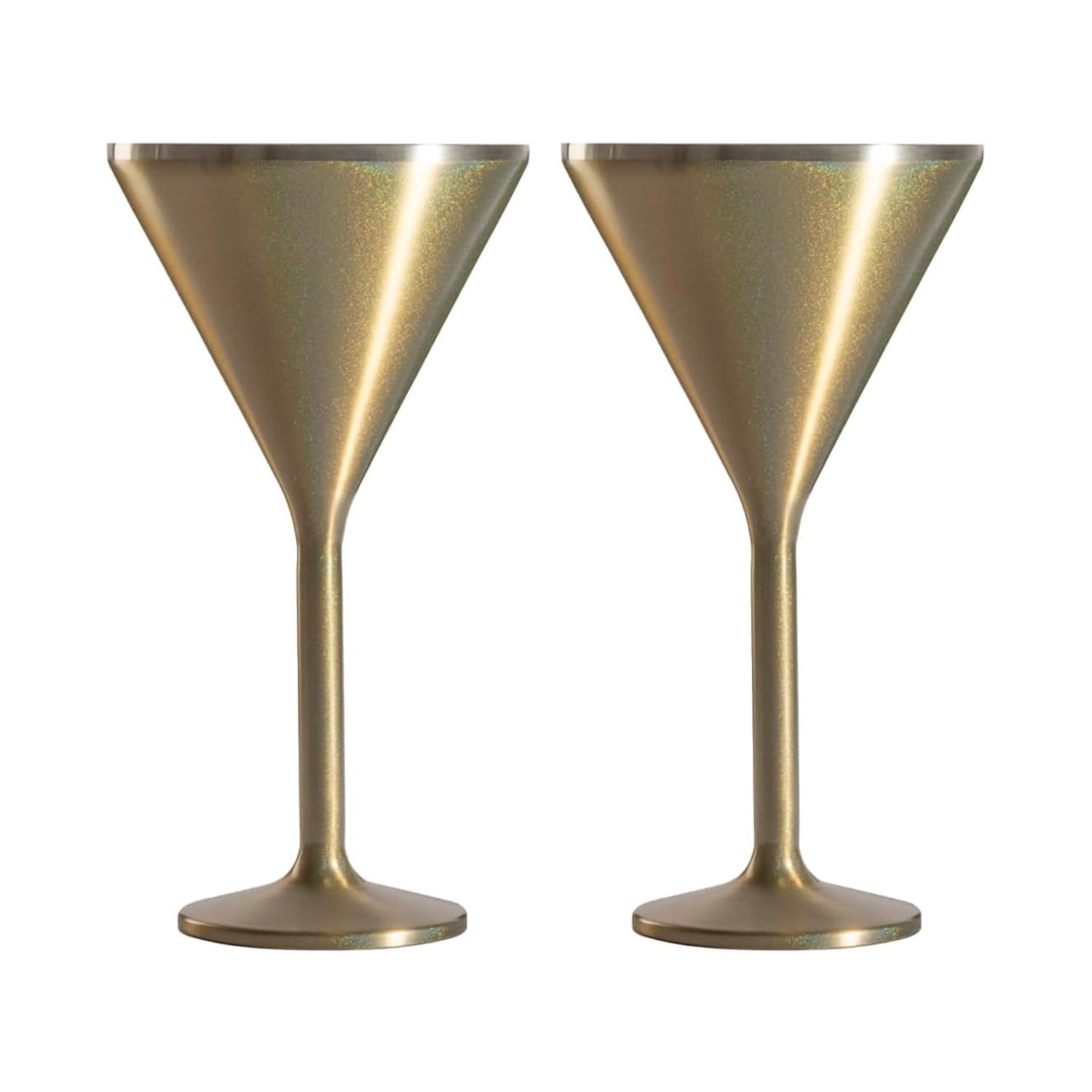
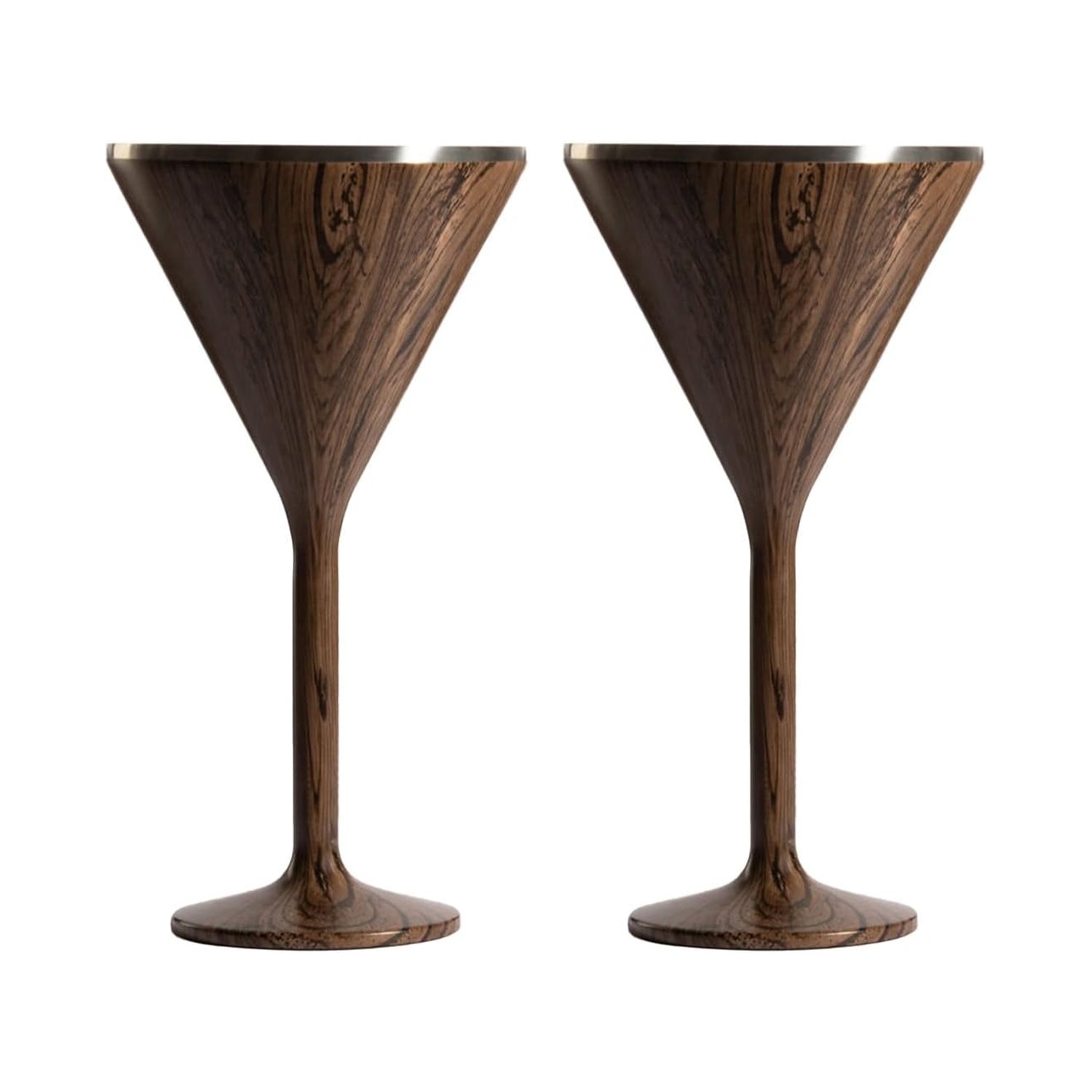
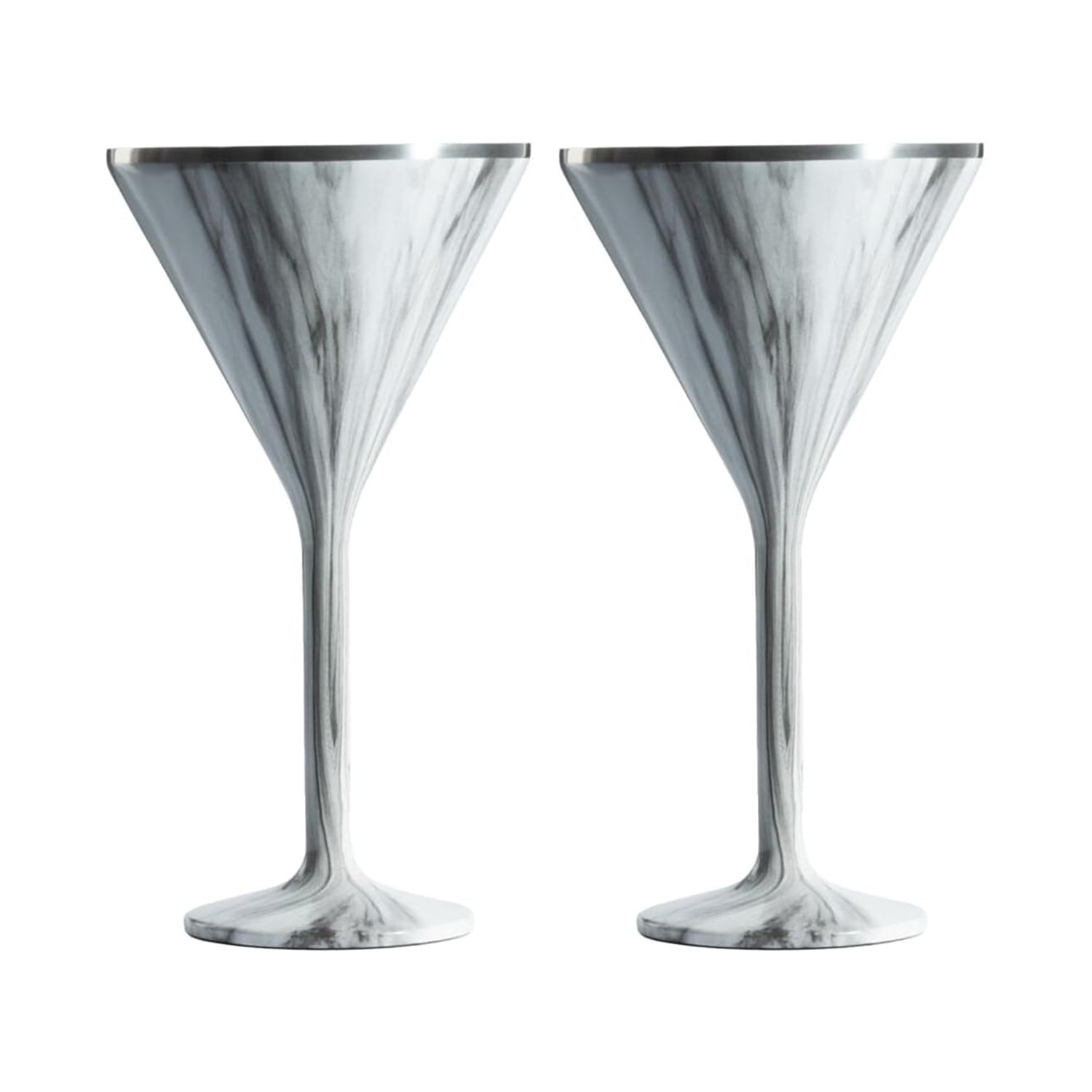
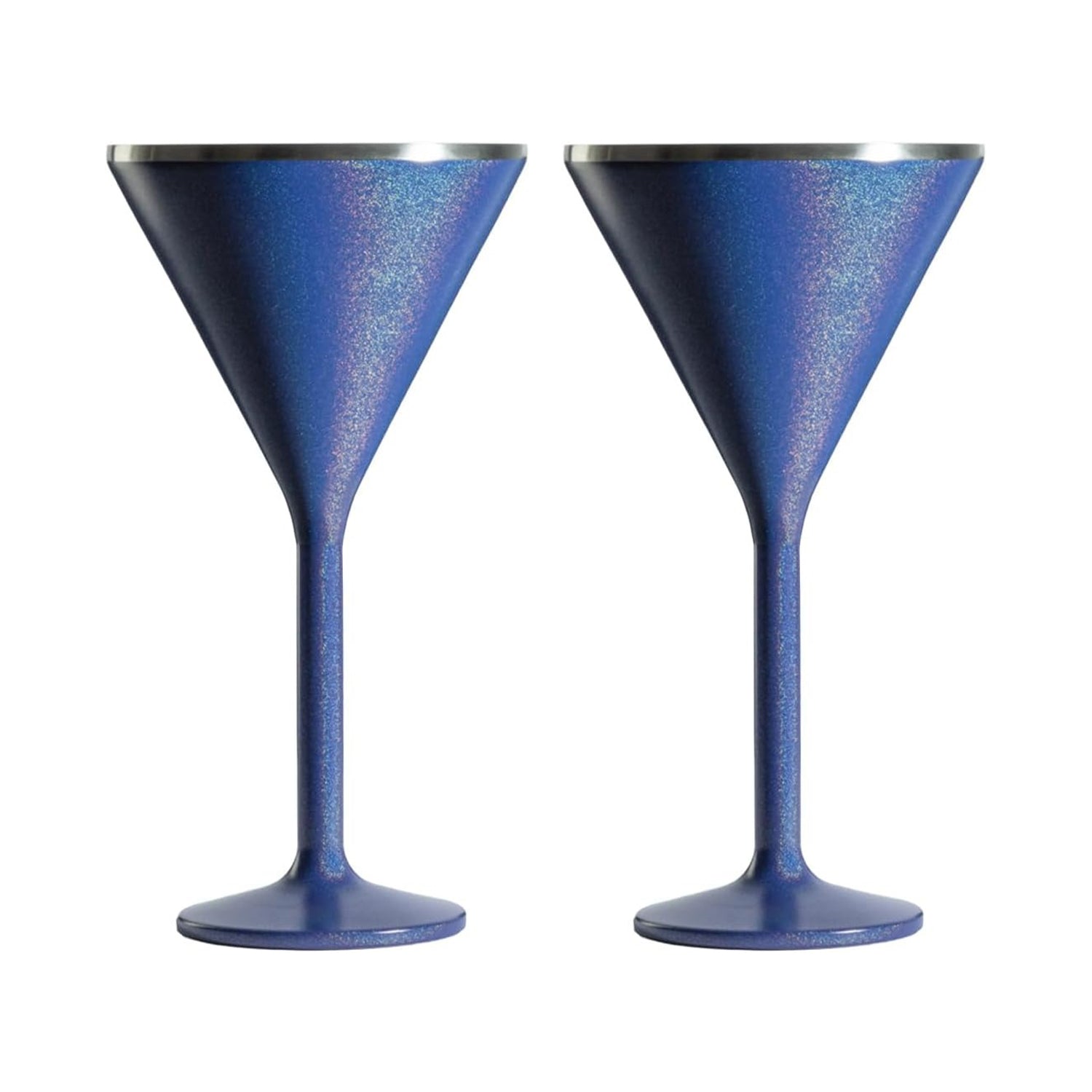
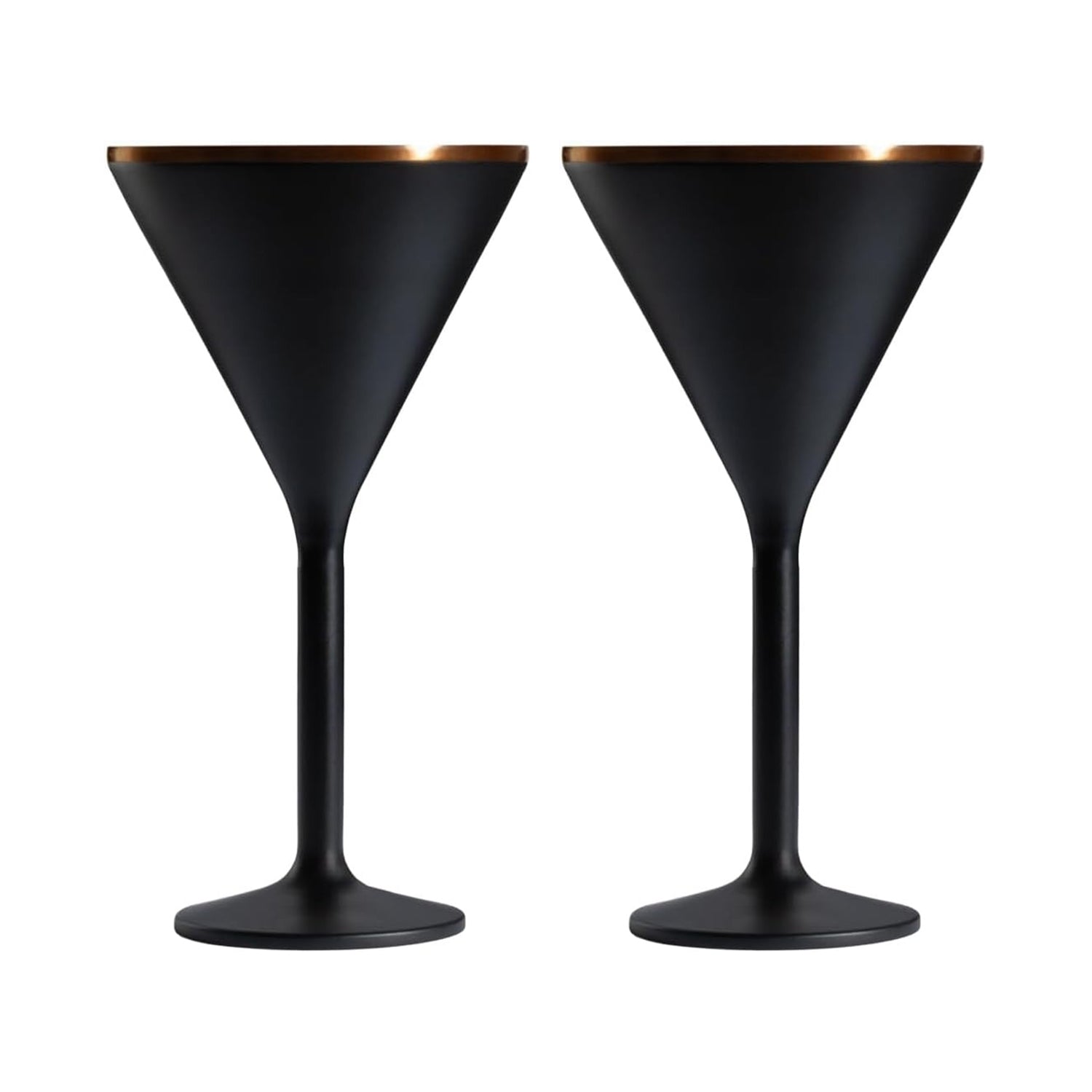
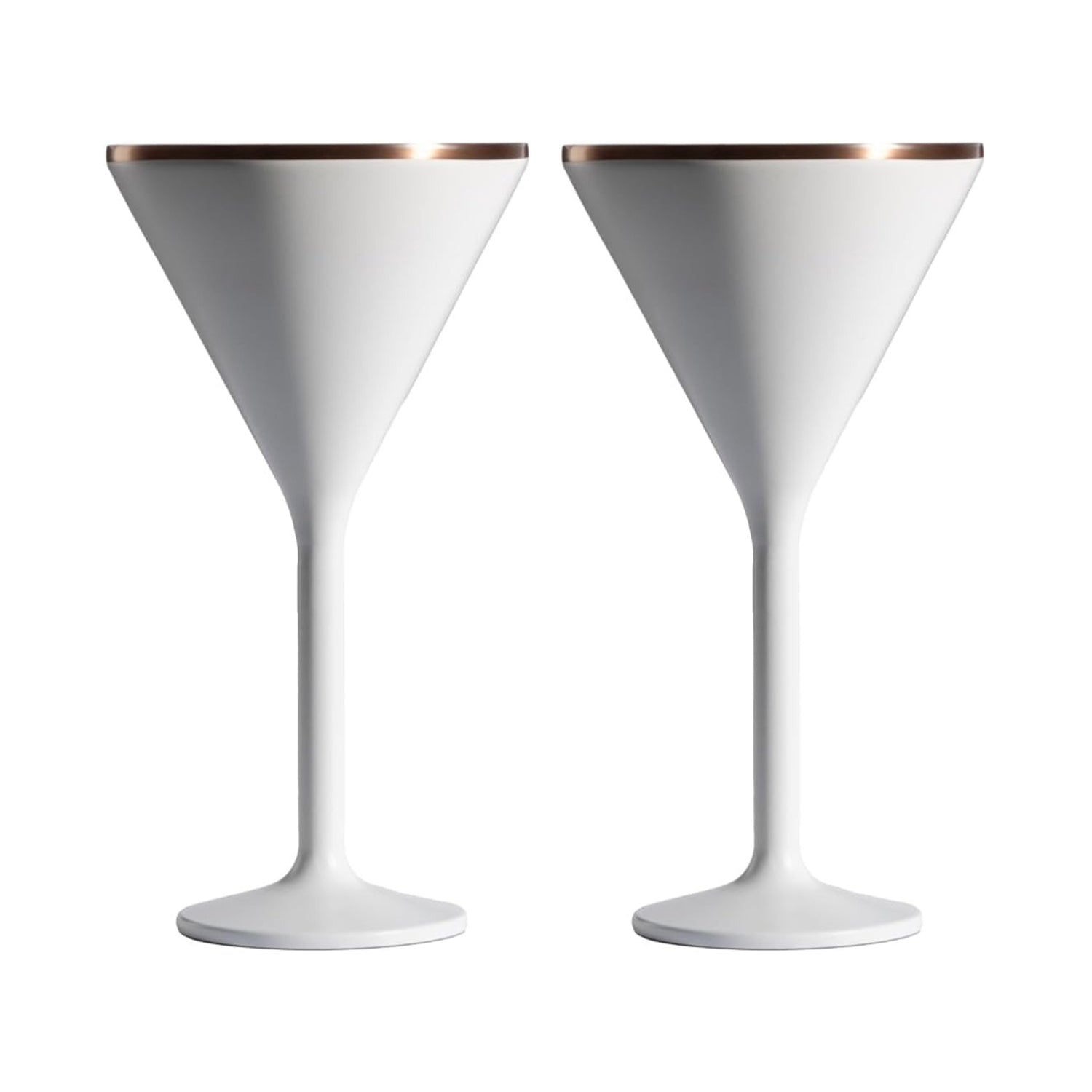
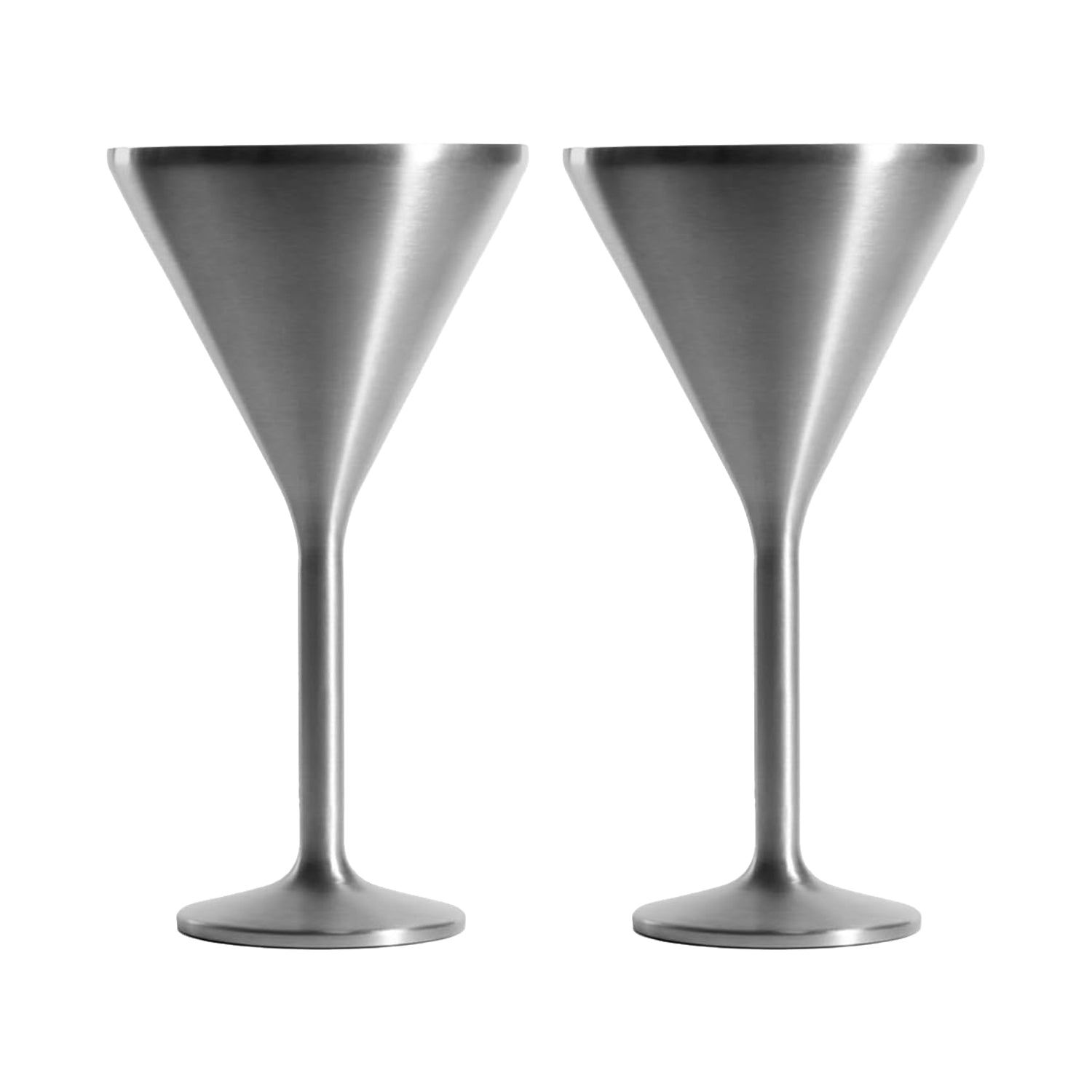
Cocktail Shaker and Martini Set: If you’re serving drinks that aren’t “on the rocks,” you’ll need a cocktail shaker. Why not go classy with Snowfox’s Stainless Steel Cocktail Shaker and Martini Glass Set? Each glass is designed with an insulated finish to ensure your cocktails stay cold.
-
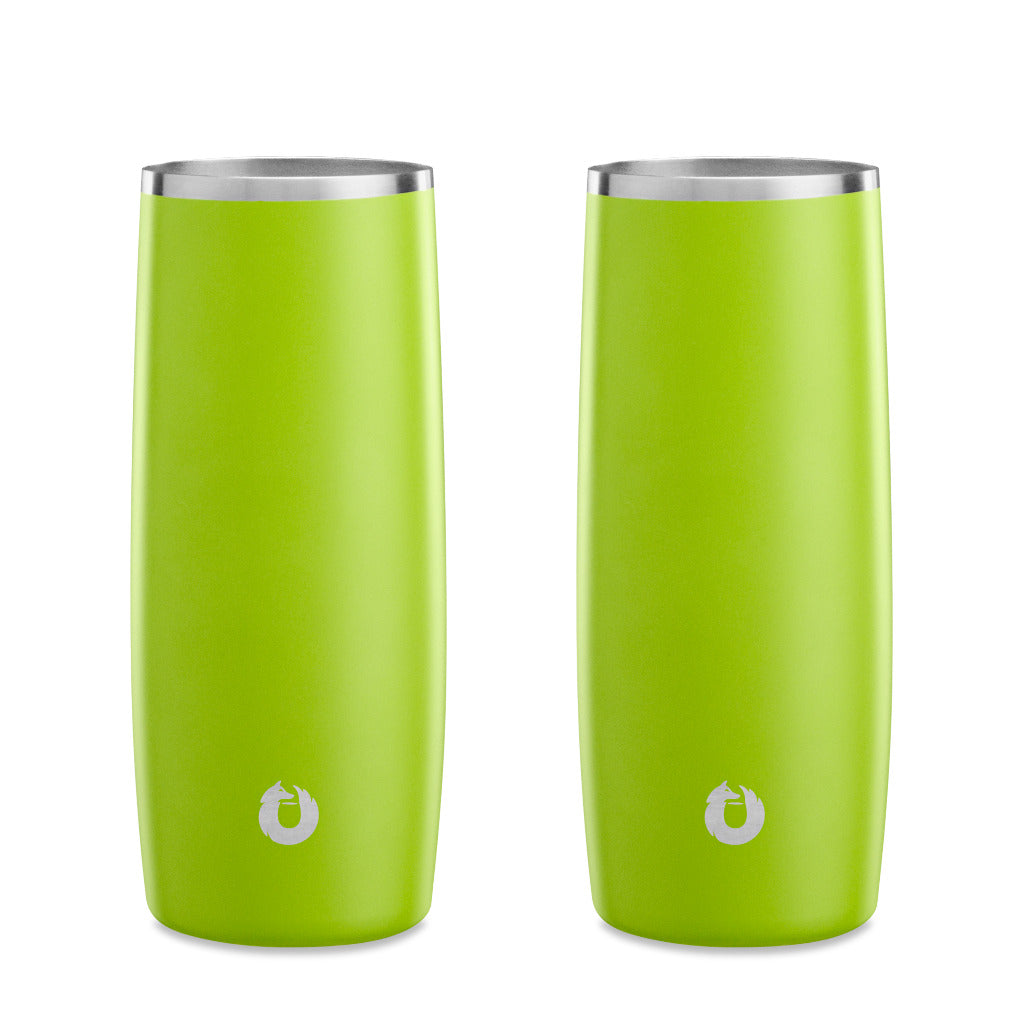
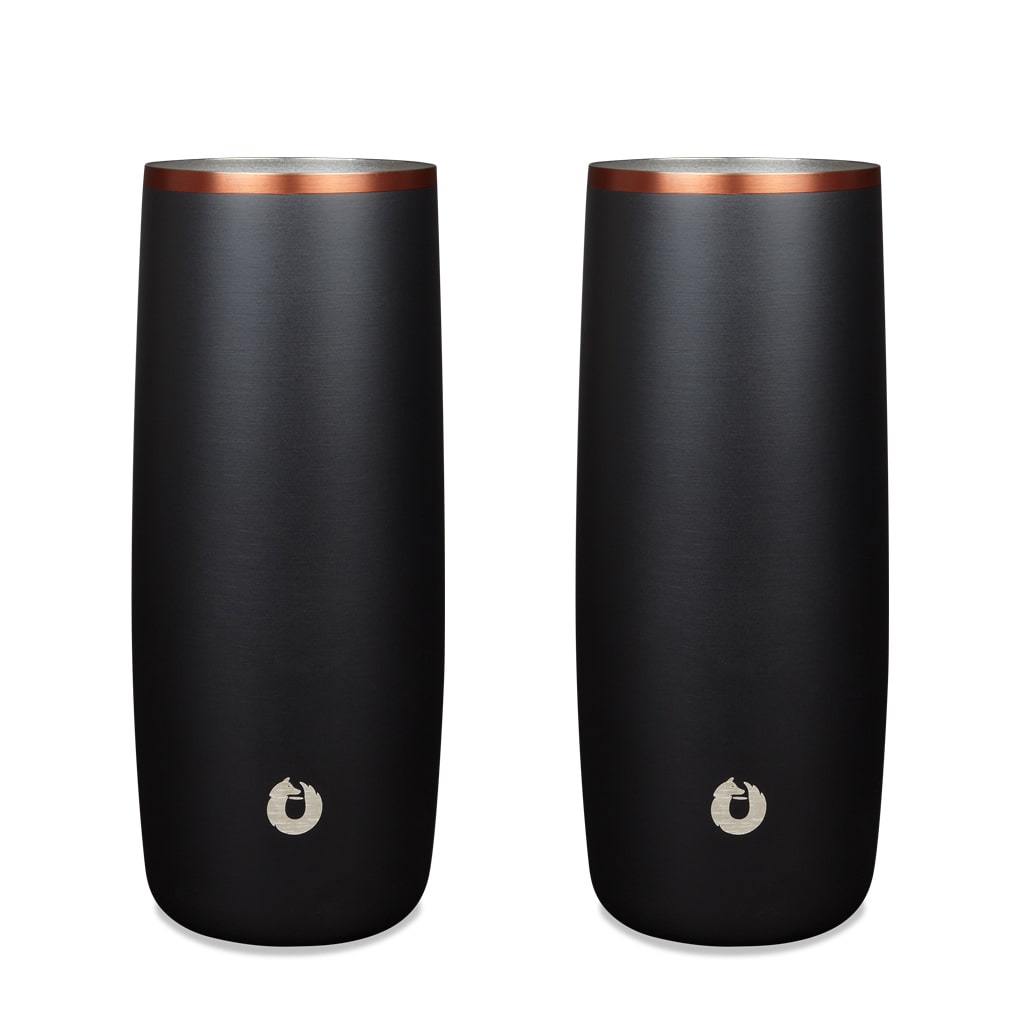
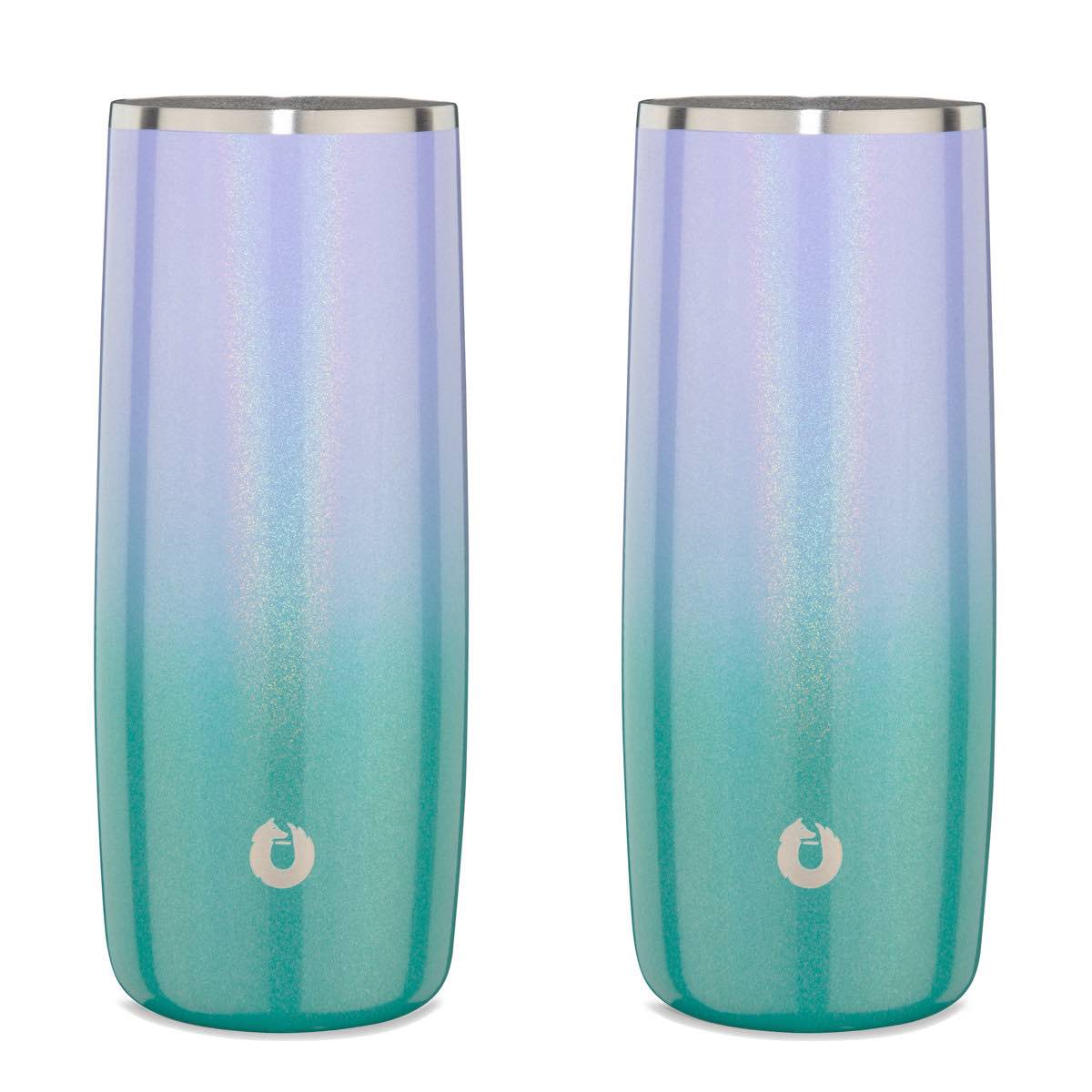
Colorful Glasses: Sometimes, you just want a little sparkle in your life and in your drinks. Snowfox’s color collections let you choose between Shimmer (with options like Mermaid, Shimmer Blue, Shimmer Pink, Shimmer Gold, and Shimmer Gray), Fusion (found in Marble, Dark Walnut, Natural Teak, and Navy), and the stainless steel Everyday Collection.
-
Elegance, Minus the Fuss: The Snowfox Elegance Collection is all about balance: lightweight, durable, and designed to feel comfortable in your hand. Unlike traditional glassware, these pieces are shatterproof and insulated, so drinks stay colder longer without the hassle of condensation rings.
The Last Sip on Cocktail Glasses
Serving a beverage with alcohol in it is just as much about presentation as it is about flavor. You feel a delicious drink with all your senses. You notice the smell first, then the color, then whether it’s cold enough before you even taste it. To truly appreciate these qualities, every recipe needs a specific type of glass; the vessel can completely change how the drink feels. Giving your guests an “on the rocks” shot in a cocktail martini glass instead of a whiskey rocks glass is a rookie mistake you don’t want to make.
Go ahead and let this guide instruct you on the proper use of any type of drinking gear. Then at your next party, set your guests up with Snowfox glasses that absolutely can’t “pour” wrong… yes, pun intended.