

A wine chiller's job is simple on the surface: keep a bottle at the right temperature while it sits on the table. But the way it does that depends on the type of chiller you're using. Some rely solely on materials and physics, while others use electricity to pull heat away from the bottle actively.
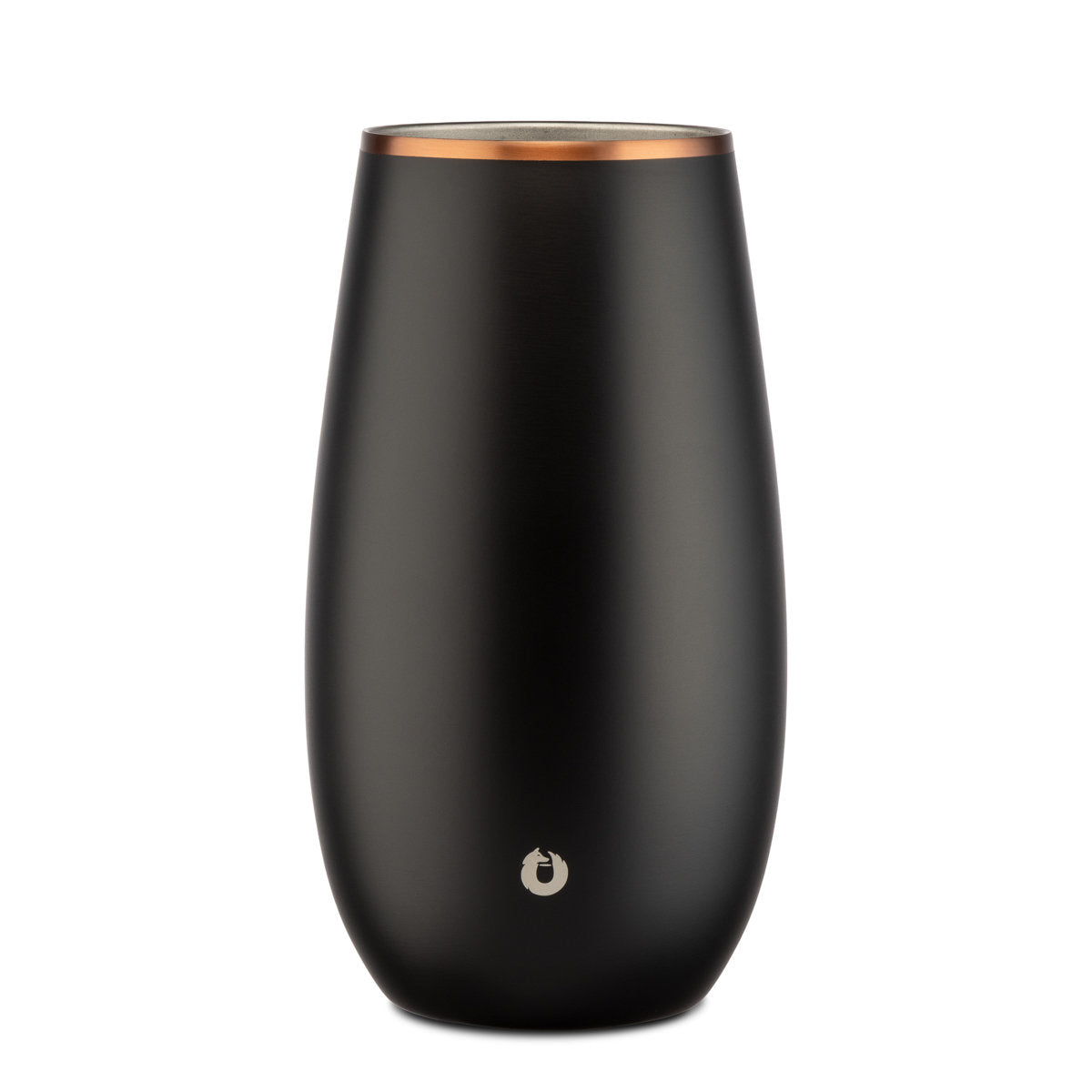
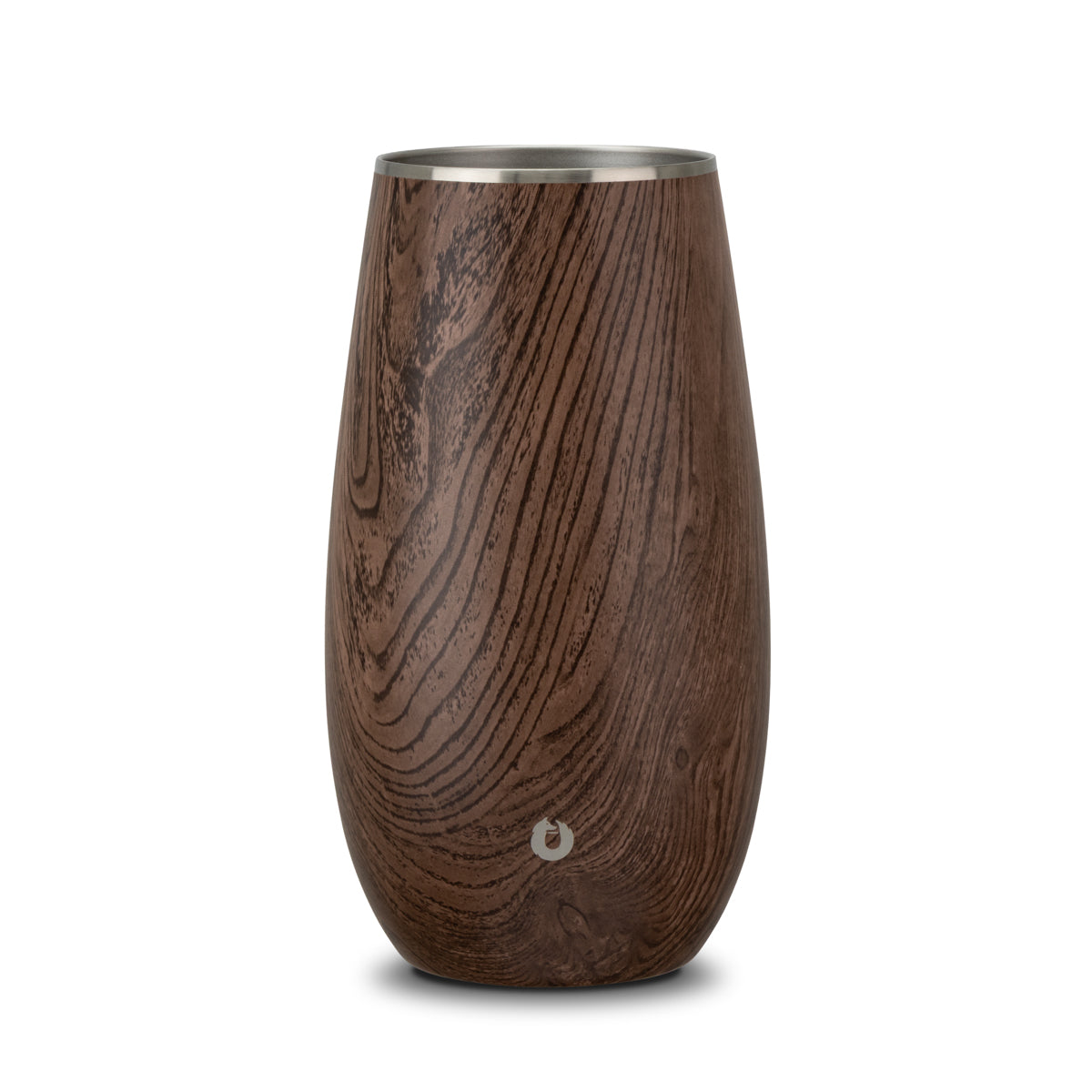
Knowing the difference helps you pick the right tool for how you actually entertain, whether that's a quick dinner for two or a long afternoon outdoors. It pairs naturally with Snowfox's line of Unbreakable Stainless Steel Glassware, creating a table setup that keeps drinks cold from bottle to glass.
What a Wine Chiller Does
Every wine chiller manages the same basic process: heat transfer. Wine naturally warms to room temperature as soon as it leaves the fridge, and a chiller's purpose is to slow that warming or reverse it. Passive chillers slow the rate at which heat moves into the bottle.
Electric coolers go a step further by actively removing heat to maintain a set temperature over time. Neither approach is "better" outright; they simply solve different problems, which is why serving temperature and how long you need to hold it both matter when choosing between them.
How Passive Wine Chillers Work
Passive chillers don't plug in or run on batteries. Instead, they rely on materials and design to slow warming.
- Insulated walls work the same way a thermos does, creating a barrier that limits how quickly outside heat reaches the bottle.
- Thermal mass designs use dense materials like stainless steel or marble, which absorb and retain cold longer than thin materials like plastic or glass.
- Pre-chilled designs, including gel-filled sleeves and double-wall vessels, are frozen or refrigerated ahead of time so they're already cold when the bottle goes in.
The difference shows up quickly in practice. A bottle left out on a table warms steadily as the room's heat seeps in. In contrast, the same bottle set inside a stainless steel wine chiller or marble chiller holds its temperature far longer, since the dense material itself acts as a buffer against the surrounding heat. Stainless steel holds cold nearly as well as marble while resisting rust, staining, and corrosion, making it easy to clean and maintain over time.
How Electric Wine Coolers Work
Electric wine coolers, often called wine fridges, use one of two cooling methods to remove heat rather than just slow it down actively.
- Compressor cooling works like a standard refrigerator, cycling refrigerant through a system to remove heat from the interior. It reaches lower temperatures and holds up better in warmer rooms, though the moving parts can introduce mild vibration and noise.
- Thermoelectric cooling uses an electric current across a Peltier plate to move heat without any moving parts. It runs quietly and vibrates little, which makes it popular for smaller countertop units, though it typically can't reach quite as low a temperature.
- Temperature controls let you dial in a specific range and maintain it automatically, which is the main advantage electric coolers have over passive designs: they don't rely on outside conditions to hold a set temperature.
The right choice comes down to the use case. A quick chill before dinner doesn't need the same equipment as long-term storage for a collection.
Wine Chillers, Ice Buckets, and Wine Fridges Compared
|
Option |
Best For |
Why |
|
Single-bottle chillers |
A quick chill or keeping one open bottle at the right temperature during a meal |
Passive insulation holds a pre-chilled temperature at the table without extra equipment |
|
Fast cooling and outdoor entertaining |
Ice and water bring a bottle down in temperature faster than most passive chillers alone |
|
|
Wine refrigerators |
Long-term storage |
Hold multiple bottles at a steady temperature over weeks or months rather than a single evening |
Matching the tool to the occasion, rather than defaulting to whatever is on hand, is the simplest way to avoid over- or under-chilling a bottle.
Serving Temperatures for Different Wines
These ranges aren't strict rules, but they're a useful starting point. According to Wine Folly, a widely referenced wine education resource:
- Sparkling wine: serve ice-cold, generally between 38°F and 45°F.
- White and rosé: serve chilled to fridge-cold, typically between 44°F and 55°F, depending on body.
- Red wine: serve cool rather than at true room temperature, generally between 55°F and 68°F, with lighter reds on the cooler end and bold, full-bodied reds slightly warmer.
As Florent Latour, CEO of Maison Louis Latour, put it in an interview with HuffPost, "people serve red wine too warm or white wine too cold," which can dull a wine's flavor. His practical fix: chill red wine for about 20 minutes before serving, and pull pre-chilled white wine out of the fridge roughly 25 minutes before pouring.
Features to Look for When Choosing a Wine Chiller

A well-made metal wine chiller checks most of these boxes at once: it's durable, holds temperature effectively, and works as well on a dinner table as it does outdoors.
- Material: Stainless steel resists dents and rust and retains heat well, making it a durable choice for everyday use.
- Insulation: Double-wall or vacuum-sealed designs hold cold longer than single-wall vessels, especially outdoors.
- Bottle fit: Check that the chiller accommodates both standard and larger-format bottles if you entertain often.
- Table presence: A chiller that looks intentional on the table, rather than purely functional, adds to the overall serving experience without extra effort.
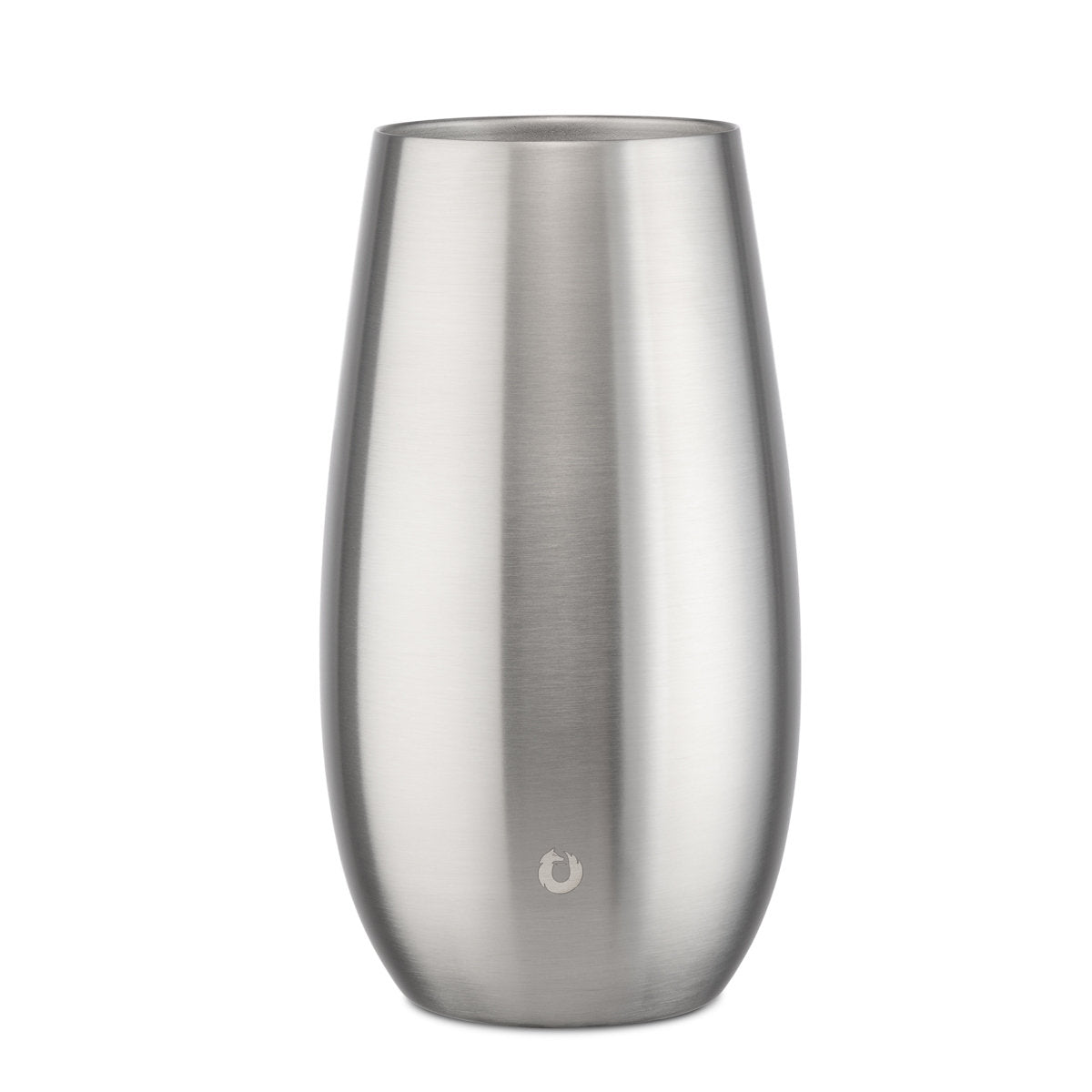
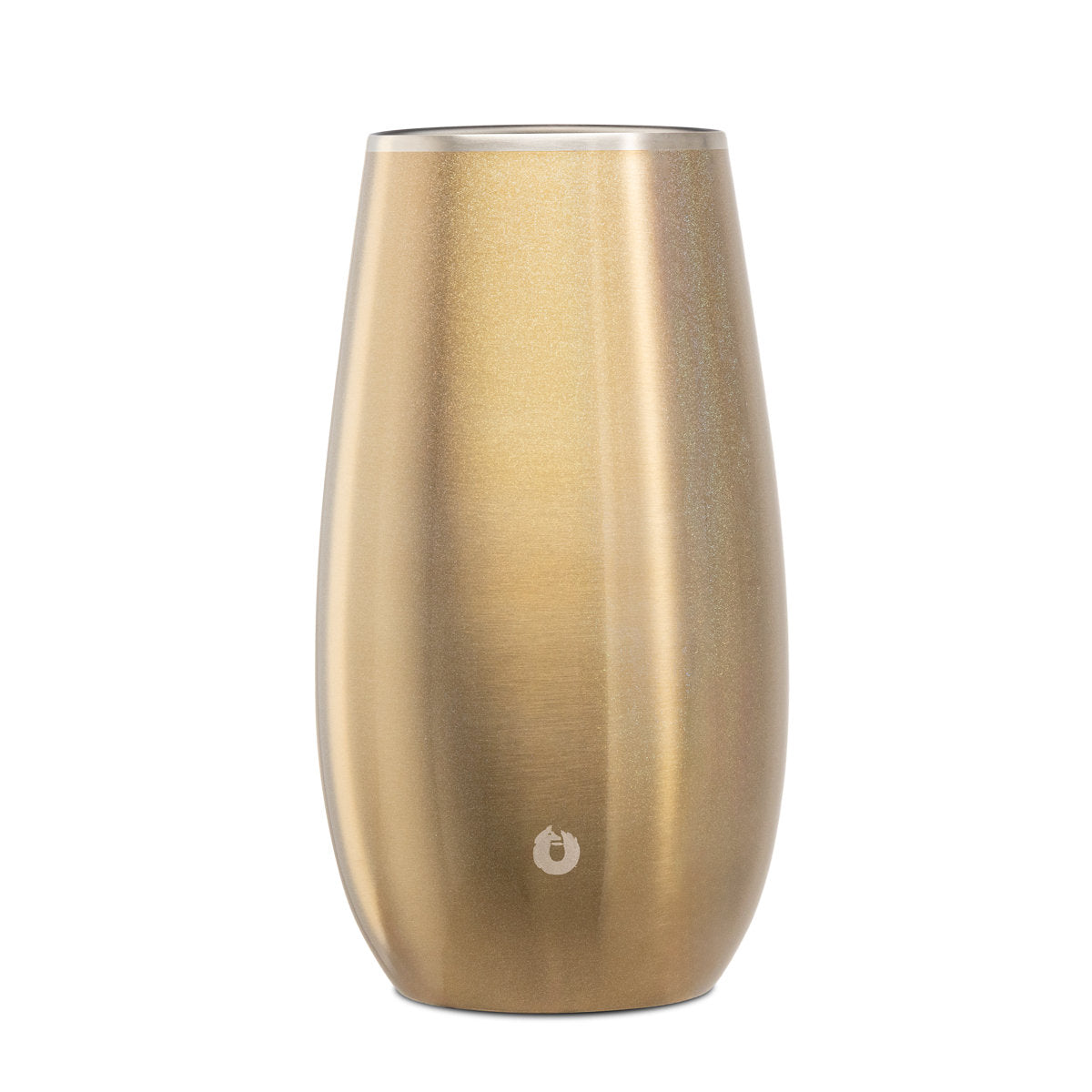
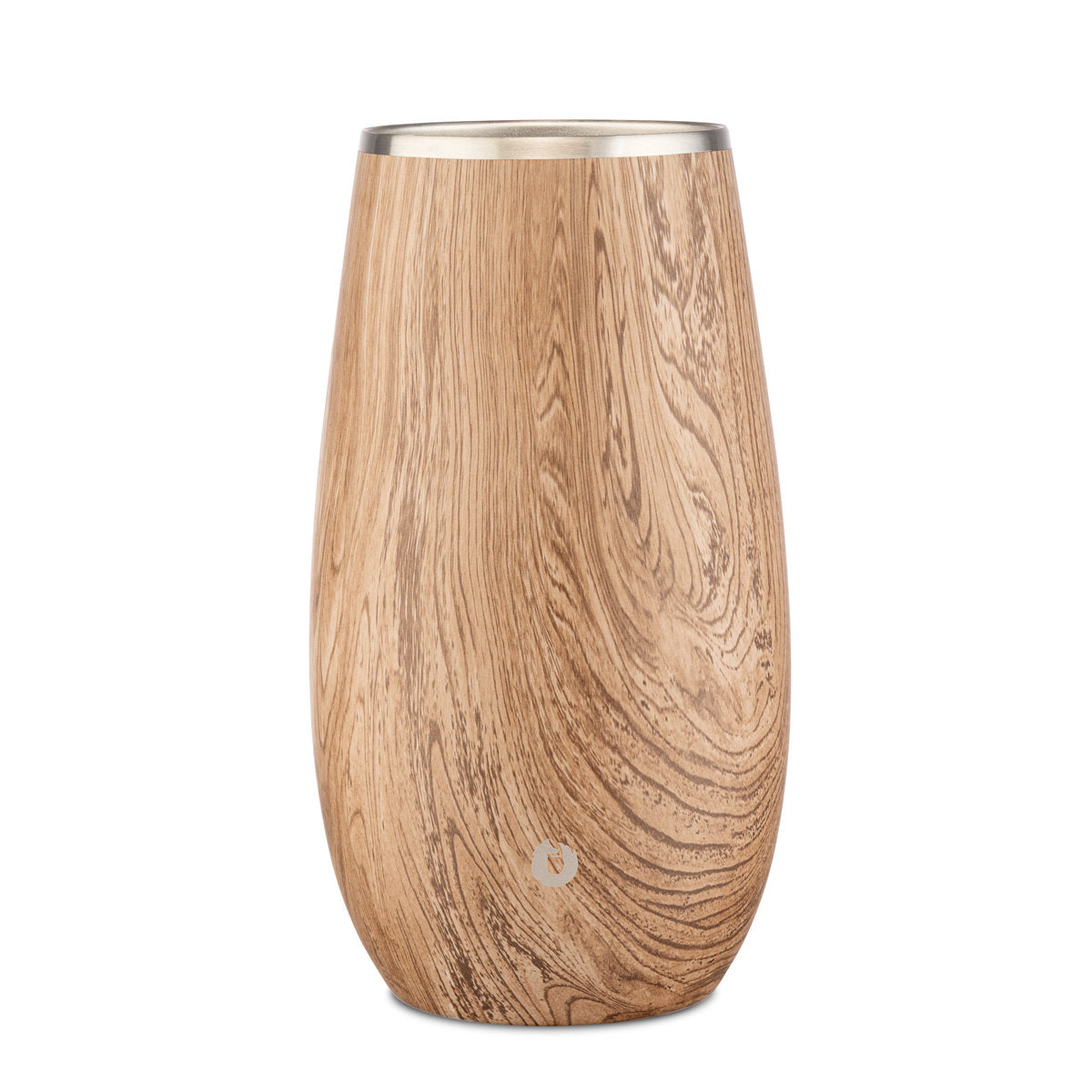
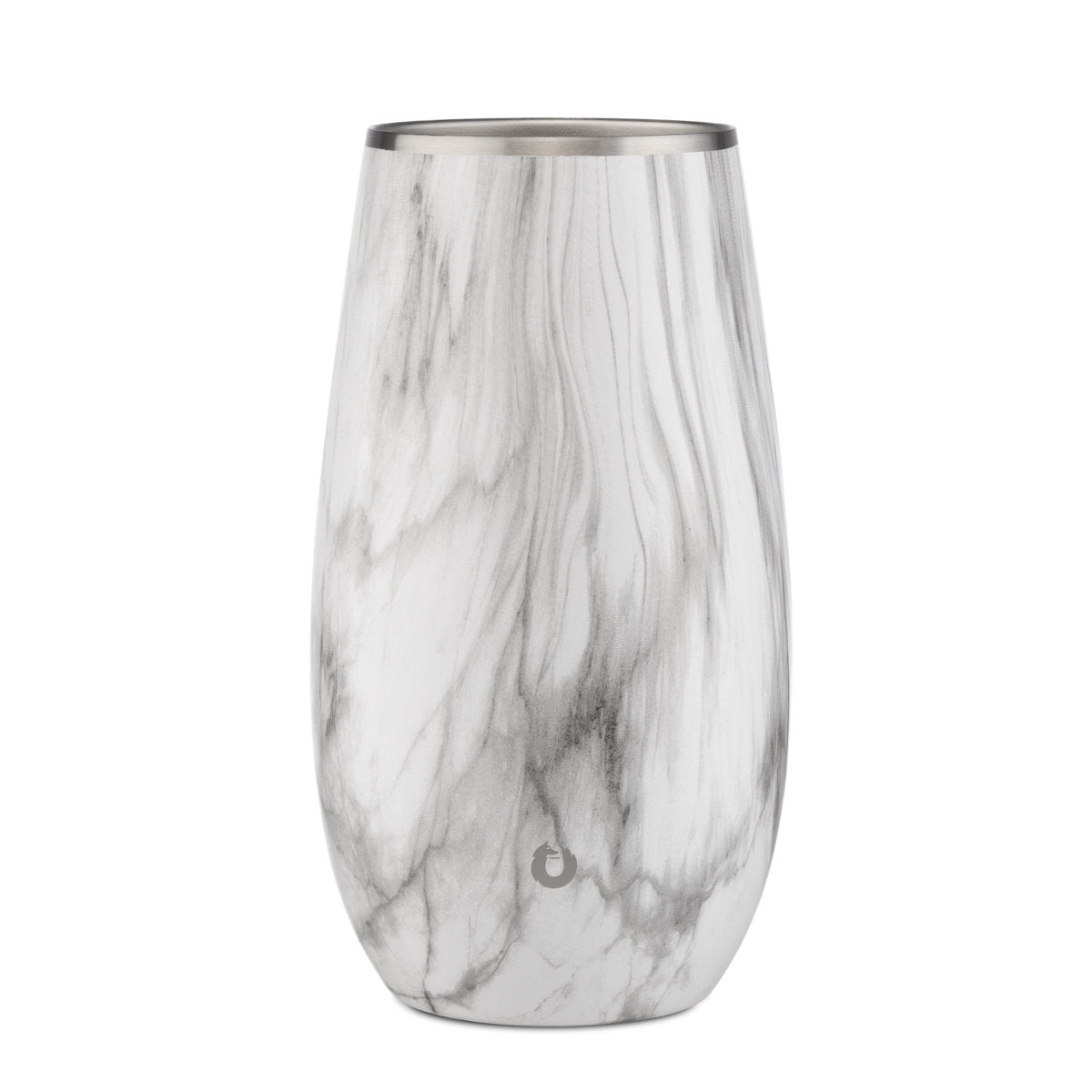
Snowfox's stainless steel wine chiller is triple-walled and vacuum-insulated, with a non-slip base and a design that keeps warm air out, making it suitable for both formal dinners and patio nights.
What Most Wine Chiller Guides Skip
Two details that rarely make it into buying guides, but change how you should actually chill a bottle:
- "Wine chiller" and "wine cooler" aren't the same thing, even though listings use them interchangeably. A wine chiller is almost always the passive, insulated vessel covered in this guide. A wine cooler (or wine fridge) is an electric, compressor, or thermoelectric appliance. Shopping for one while reading reviews of the other is a common source of buyer's remorse.
- A salted ice bath chills faster than a plain ice bucket. Salt lowers the freezing point of water, allowing it to pull heat from the bottle more efficiently. If you need a bottle cold in a hurry and don't have a pre-chilled chiller, a bucket with ice, water, and a few tablespoons of salt will get it there faster than ice alone.
Wine Chiller Mistakes to Avoid
Decanter notes that sparkling wine carries an added risk of built-up carbon dioxide pressure, so even a brief freezer chill is best avoided for bottles with a cork and cage.
- Overchilling wine: Leaving a bottle in a chiller too long can mute its flavor, especially for reds and full-bodied whites.
- Skipping the pre-chill: Passive chillers work best when the vessel itself is cold before the bottle goes in, not after.
- Using the freezer: Wine is mostly water, and freezing can cause it to expand, pushing out a cork or cracking the glass.
Frequently Asked Questions
How do wine chillers work without ice?
Many rely on insulated walls or dense materials like stainless steel and marble that absorb and retain cold, slowing how quickly a bottle warms, so you don't need ice at all.
Do wine chillers actually make wine colder?
Passive chillers mainly slow warming rather than actively cooling. Electric coolers, by contrast, can lower and hold a set temperature the same way a small refrigerator does.
How long does a wine chiller keep wine cold?
It depends on the design. A pre-chilled stainless steel or marble chiller can hold temperature for up to three hours, while electric coolers maintain a set temperature indefinitely as long as they're plugged in.
Is a wine chiller better than an ice bucket?
Ice buckets cool faster, which is ideal for quick chilling. Wine chillers hold a steady temperature longer and keep the table tidier, making them better for extended table service.
Can you use a wine chiller for red wine?
Yes. Reds are typically served closer to cool room temperature, so a brief stint in a chiller before pouring works well without over-cooling the bottle.